The busy world never seems to slow down, which is why more and more people are turning to holistic wellness practices that offer a break from noise, stress, and constant stimulation. Two of the most popular practices gaining traction today are sound baths and Reiki. Though they come from different traditions and use different methods, both are rooted in a shared belief: that the body has an innate capacity to heal itself when given the right conditions of stillness, vibration, and energy flow.
Whether you're curious about trying a sound bath for the first time, considering a Reiki session, or simply want to understand why these practices seem to amplify the effects of each other, keep reading, because we’ll be discussing:
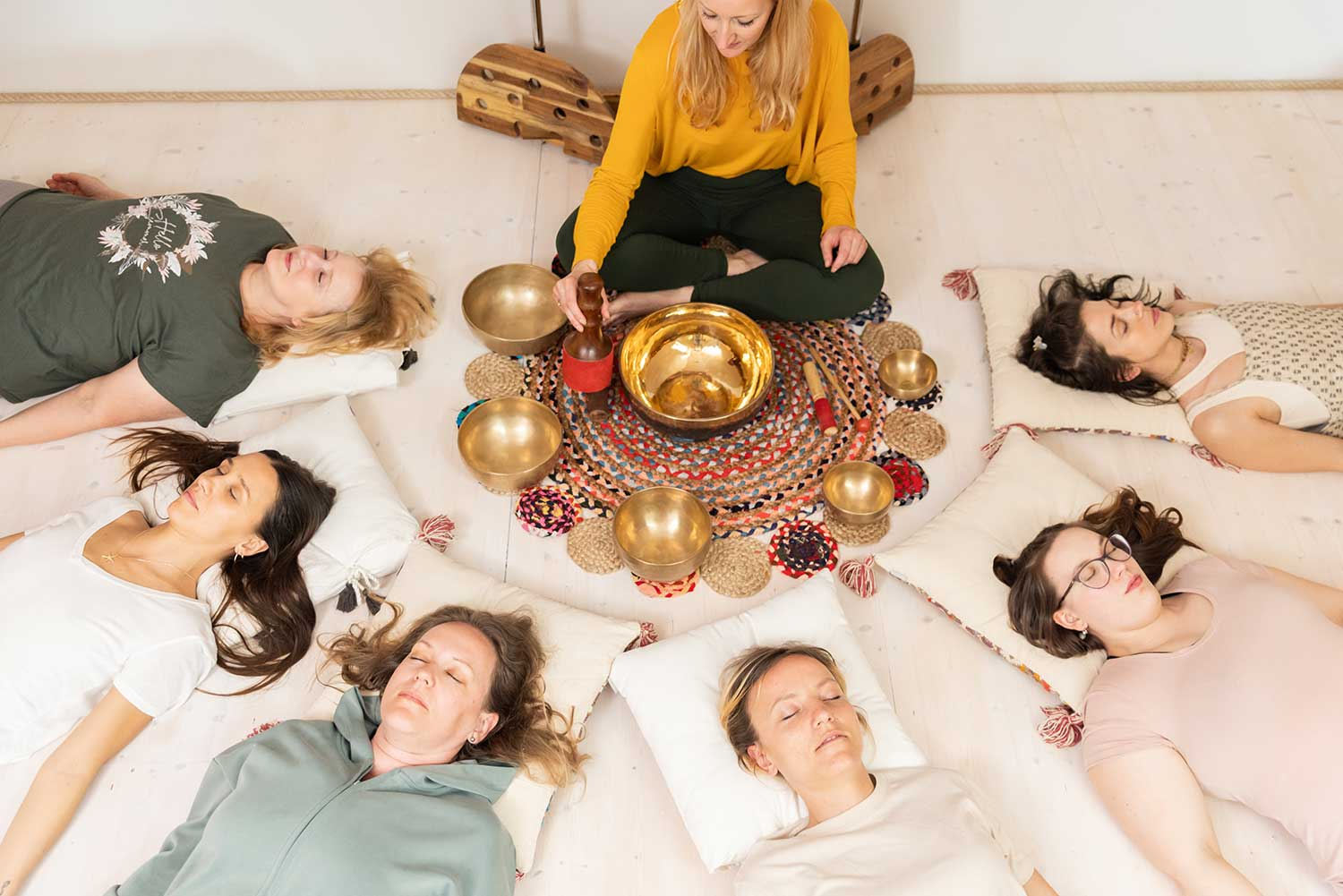
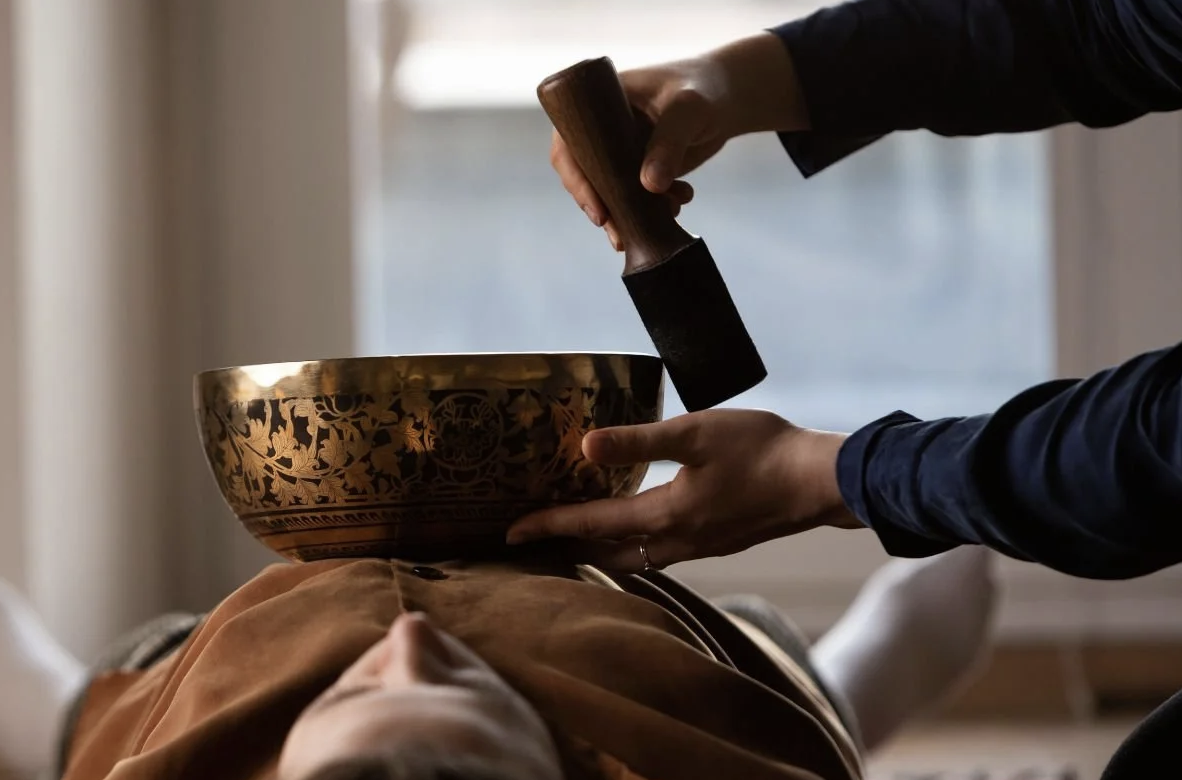
A sound bath is a meditative experience where participants are "bathed" in sound waves produced by various instruments. Despite the name, no water is involved — the "bath" refers to being immersed in layers of resonant sound that wash over the body and mind.
During a typical sound bath session, participants lie down on a mat or blanket, often with a pillow and bolster for support, and close their eyes. A practitioner then plays a range of instruments designed to produce sustained tones, harmonics, and vibrations. Common instruments include:
Unlike a concert or musical performance, a sound bath isn't about melody or rhythm in the traditional sense. There's no song to follow along with — instead, the sounds are meant to be experienced passively, allowing the mind to drift and the body to relax deeply. Sessions typically last between 30 minutes and an hour, and many people report entering a state similar to deep meditation or the edge of sleep.
Sound baths have ancient roots. Cultures around the world — from Tibetan Buddhist monks to Indigenous communities in the Americas — have used sound, chanting, and instruments for spiritual and healing purposes for thousands of years. What's new is the way these traditions have been adapted and popularized in contemporary wellness spaces, often blending elements from multiple cultures into a single, accessible experience.
The science behind sound baths is still developing, but there are a few working theories about why they have such a calming, and sometimes profound, effect on the body and mind.
One of the leading explanations involves a concept called brainwave entrainment. Our brains naturally produce different types of electrical patterns, or brainwaves, depending on our state of consciousness. Beta waves are associated with normal waking alertness, while alpha, theta, and delta waves are linked to relaxation, meditation, and sleep.
The theory suggests that the slow, repetitive, and low-frequency tones produced during a sound bath can help guide the brain from a busy, beta-wave state into calmer alpha or theta states — the same brainwave patterns associated with deep meditation, daydreaming, and the initial stages of sleep. This shift is thought to be responsible for the profound sense of relaxation many people experience.
Sound is, at its core, vibration traveling through the air (and in the case of a sound bath, sometimes through the floor or a mat you're lying on). Because the human body is composed of roughly 60% water, and water is an excellent conductor of vibration, some practitioners believe that sound waves can physically resonate through the tissues of the body, potentially loosening areas of tension.
While rigorous scientific evidence for this specific mechanism is still limited, it's well documented that vibration and low-frequency sound can have measurable physiological effects, including changes in heart rate and muscle tension.

Many of the reported effects of sound baths align with what happens when the parasympathetic nervous system — often called the "rest and digest" system — is activated. This is the opposite of the "fight or flight" stress response governed by the sympathetic nervous system.
The combination of stillness, a quiet or dimly lit room, and slow, sustained sound appears to send safety signals to the nervous system, allowing relaxation and a shift out of stress mode. This can lead to lowered heart rate, slower breathing, and a reduction in circulating stress hormones like cortisol.
People who practice sound bathing regularly report a wide range of benefits, including:
Importantly, sound baths are accessible to nearly everyone. There's no physical exertion required, and sessions can be modified for those with mobility limitations, making them a gentle entry point into meditative and wellness practices for people who may find traditional seated meditation challenging.
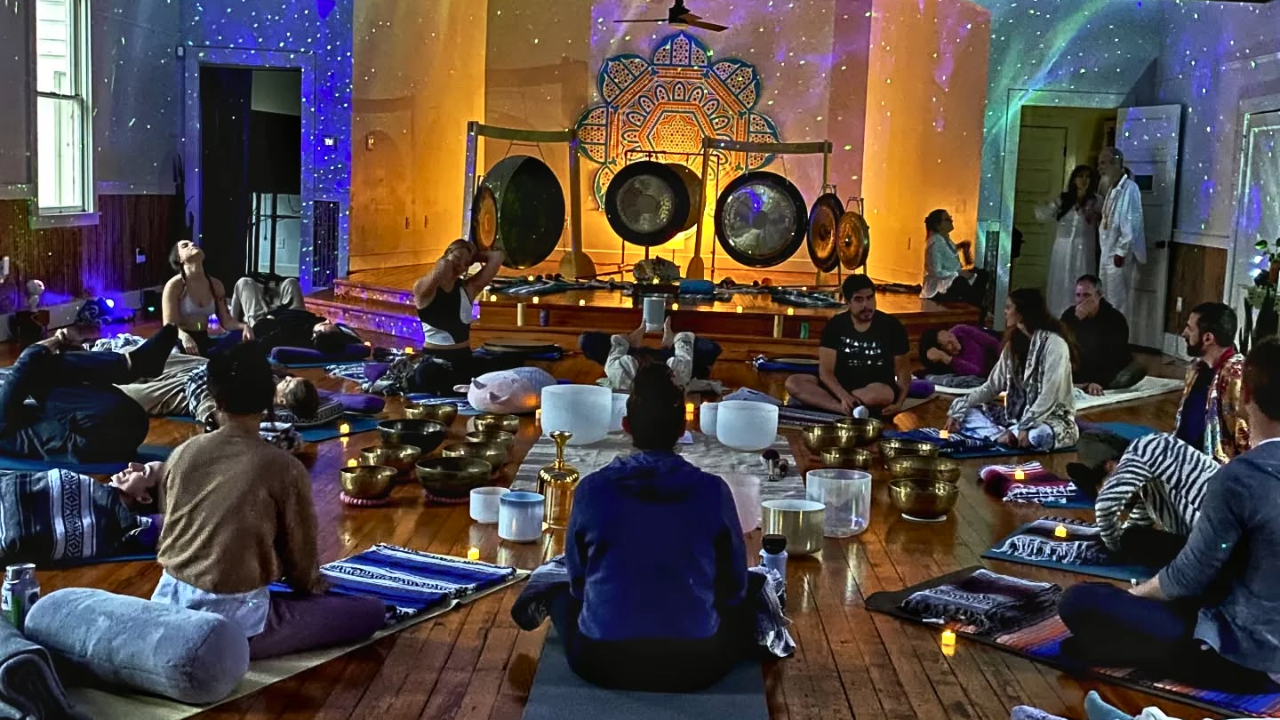
As you can see, sound baths alone offer all kinds of benefits to those who want to feel more connected to their mind and body, and who want to work at becoming more aligned energetically. But did you know that combining it with Reiki can offer you even more benefits? Reiki is another way to promote tranquility in the mind and body, and offers users ways to keep themselves free of energetic blockages in order to promote healing.
The core premise of Reiki is that a universal life force energy flows through all living things, and that this energy can become blocked, depleted, or unbalanced due to stress, illness, injury, or emotional strain. A Reiki practitioner acts as a conduit for this energy, channeling it into the recipient's body through light touch or a hands-hovering technique, with the goal of clearing blockages and restoring balanced energy flow.
A typical Reiki session takes place with the recipient lying fully clothed on a massage table. The practitioner places their hands lightly on or just above different areas of the body — often following a sequence that moves from the head down to the feet — pausing at each position for several minutes. Sessions generally last between 30 and 90 minutes, and many people report feelings of warmth, tingling, or deep relaxation during treatment.
Sound baths and Reiki combined offer participants even more ways to tune in, wind down, and give the mind and body time and space to absorb healing frequencies. Participants will typically lay down flat on their backs like usual during both practices and then the sound vibrations will start. This signals to the body and mind that it has permission to just absorb the vibrations and frequencies passively, without the need to have to do anything. Using a range of instruments, the Reiki practitioner will use both dissonance and consonance to promote the movement of energy in participants in order to balance and encourage healthy flow of the systems. If there is more than one practitioner, one will continue to play sound, while the other will visit each of the participants to use the power of touch and act as a conduit for the Reiki energy.
This double-pronged approach is one of the best ways for anyone to get a much-needed energetic balance, as well as a reduction in tension and stress from sound and touch. The benefits of both sound baths and Reiki are immediately recognizable after just one session, with participants feeling more relaxed, grounded, and better equipped to re-enter the busyness of daily life. The power of touch and sound utilized together is just one more way that proves the body and mind already know what they need, we just have to give them the space and time to allow them to respond. That’s what’s at the crux of doing both sound baths and Reiki simultaneously--you’re not “doing something,” you’re “allowing something” to occur. The body and mind have a way of innately rebalancing themselves, we’ve just gotten away from giving them space to do so.
Whether you're drawn to the resonant tones of a crystal singing bowl or the gentle, grounding touch of a Reiki practitioner, both sound baths and Reiki offer accessible, low-risk ways to support relaxation, emotional balance, and overall wellness. While scientific research into their exact mechanisms is still evolving, the growing popularity of these practices speaks to something many people are craving: dedicated time to slow down, disconnect from daily stress, and reconnect with themselves.
Don’t forget to follow Kellee for the latest news and music:
add soundcloud, IG





Sign up to get our latest news and stay connected.
Thank you! Your submission has been received!
Oops! Something went wrong while submitting the form