Anxiety has an annoying way of settling into the body long before we register it: a tight chest, shallow breathing, a clenched jaw, a mind that won't stop cataloging everything that could go wrong. For many people managing anxiety, conventional tools — therapy, medication, exercise, breathwork — are an important part of their care. But a growing number are also turning to Reiki, a gentle, hands-on (or hovering above the body) energy practice, as a complementary way to calm the nervous system back into “rest and digest mode,” and at the same time create a daily ritual of stillness.
In this article we’ll be exploring further:
Reiki is a Japanese healing technique developed in the early 20th century by Mikao Usui. The word combines "rei" (universal) and "ki" (life energy), reflecting the practice's core idea: that a subtle life energy flows through and around the body, and that this energy can become blocked or depleted by stress, illness, and emotional strain. A Reiki practitioner uses light touch or a hands-hovering technique over specific areas of the body that typically follow the chakras, meridians, and nodes — the head, shoulders, torso, and limbs — with the intention of supporting the body's own capacity to relax and restore balance.
The most helpful way to think about Reiki for anxiety is this: it is not a substitute for evidence-based mental health treatment, but for many people it functions as a structured relaxation ritual — and the ritual of quiet, intentional touch and stillness has immense value for people dealing with anxiety, and really for anyone who wants to usher in more calm to their daily life. If you're managing an anxiety disorder, it's worth treating Reiki as a complement to therapy or medical care rather than a replacement, and it’s a good idea to mention it to your doctor or therapist if you're incorporating it regularly.
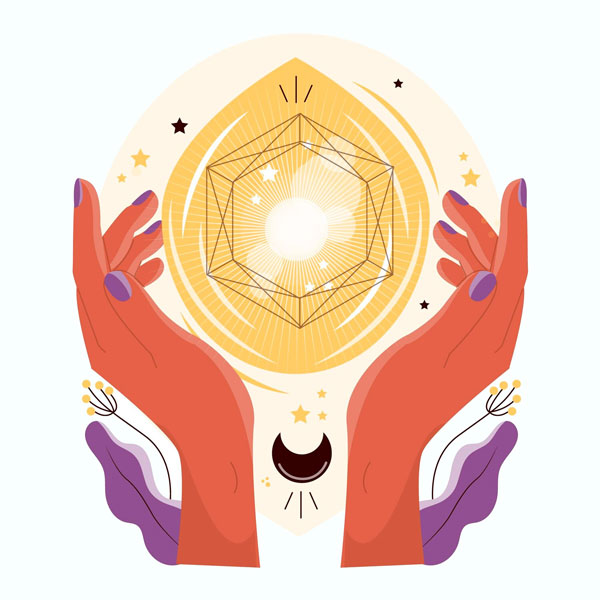
There are a few reasons people find Reiki calming, especially if they’re receiving treatment for anxiety from a healthcare provider:
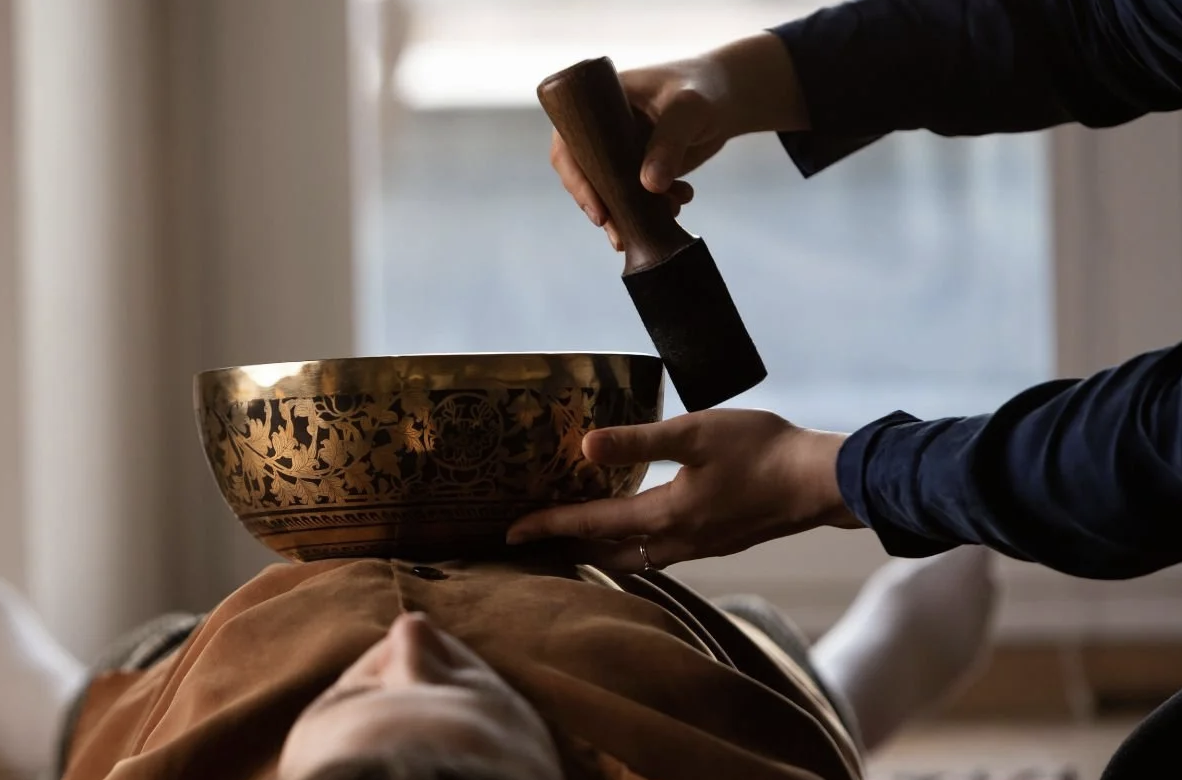
It activates the relaxation response. Slow, non-invasive touch and a quiet environment are known to help shift the body out of a sympathetic ("fight or flight") state and into a parasympathetic ("rest and digest") one. This is the same mechanism at work in massage therapy and some forms of meditation. Often sessions are paired with soothing music featuring bells, gongs, singing bowls, drums, chanting, or other soft sounds. This helps the mind relax, eventually allowing the body to start to slowly unwind and become more present.
It slows the breath and the mind. Simply lying still for 30–60 minutes, away from screens and obligations, gives the nervous system a break from constant stimulation. Anxiety often thrives on urgency; Reiki sessions are unhurried and designed to limit outside distractions.
It offers a sense of being cared for. Human touch and undivided attention — even from a practitioner rather than a loved one — can be soothing in a way that's hard to replicate alone. This is one reason many people find in-person sessions more impactful than self-practice, though self-Reiki still has value.
It creates a repeatable ritual. Anxiety can feel chaotic and unpredictable. A consistent practice, done daily, gives the mind something steady to return to — which itself can be calming, independent of any specific technique.
If you're interested in Reiki as a regular tool for anxiety management, consistency tends to matter more than duration. A short daily practice generally does more for anxiety than an occasional long session. Here are some general tips for building the habit:
Start small. Five to ten minutes a day is a realistic starting point. You can lengthen sessions as the habit becomes established, but a short practice you actually do beats a long one you keep postponing.
Choose a consistent time. Many people find mornings helpful for setting a calmer tone for the day, while others prefer evenings to help unwind before sleep. Anchoring the practice to an existing habit — right after brushing your teeth, or as you take your last sip of tea for example — makes it easier to stick with.
Create a low-stimulation space. You don't need anything elaborate. A quiet corner, dim lighting, and your phone out of reach are usually enough. Some people like soft instrumental music or the sound of a fan; others prefer silence.
Get comfortable, but not too comfortable. Sitting upright or lying down both work. If you tend to fall asleep easily, sitting in a supportive chair may help you stay present rather than drifting off.
Set an intention rather than a goal. Instead of "I need to feel calm by the end of this," try something gentler: "I'm giving myself these minutes to slow down." Anxiety often responds poorly to pressure, even the pressure of trying to relax correctly. There’s no prize for relaxing quickly or correctly.
Track how you feel, loosely. You don't need a detailed journal, but a quick note — "calmer," "restless," "no real change" — can help you notice patterns over weeks, which is often when the benefits of a consistent practice become clearer.
Combine it with other tools. Reiki works well alongside deep breathing, progressive muscle relaxation, or a short body scan. Many practitioners weave these techniques together naturally.
Be patient with the process. As with meditation, the first few sessions may feel unremarkable or even mildly frustrating if you're expecting an immediate dramatic shift. The cumulative, ritual aspect of daily practice tends to matter more than any single session.
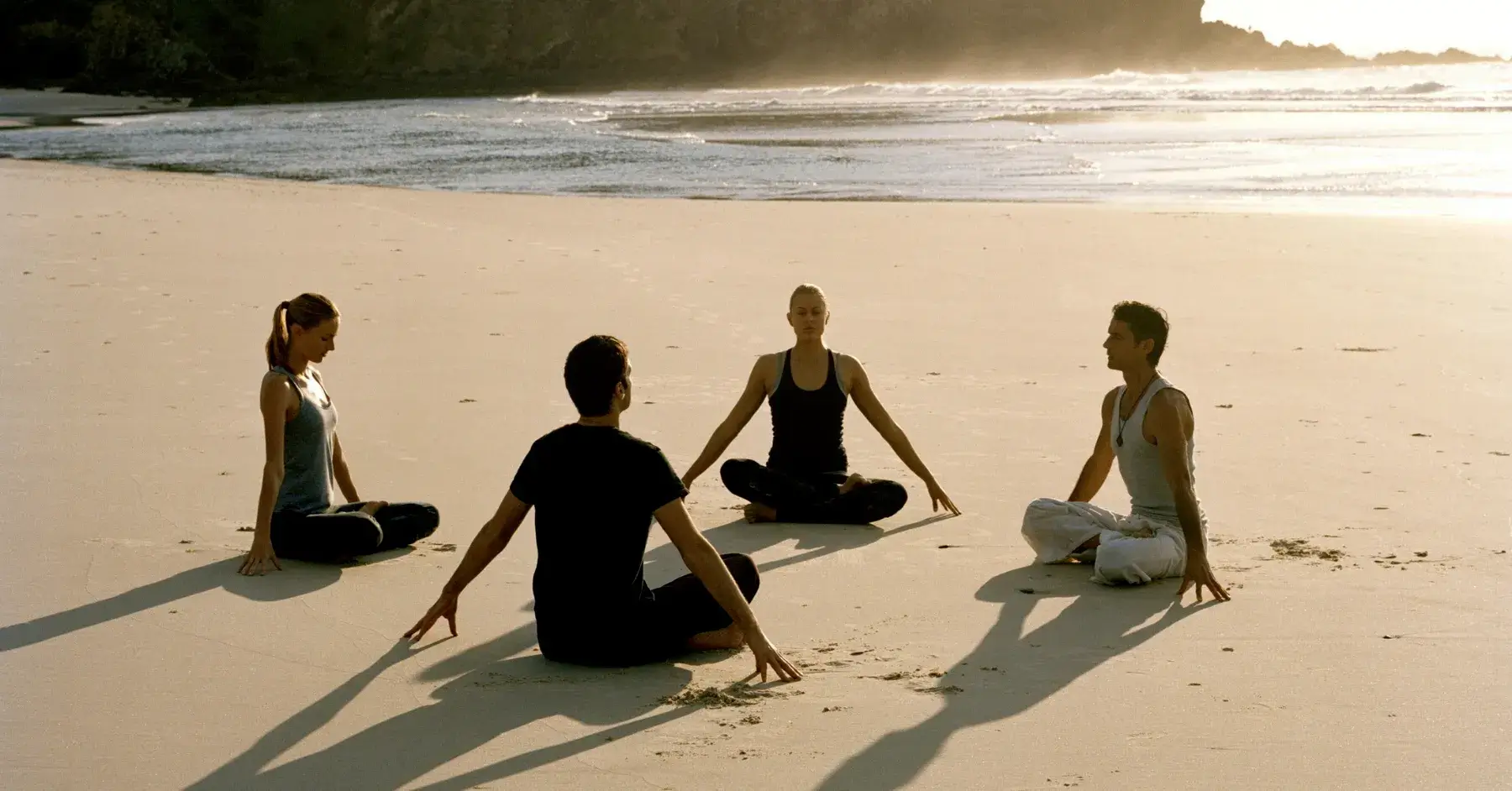
Everywhere we look it seems like something is calling our attention. Whether it’s work, caregiving, notifications on our phone, the non-stop news cycle, keeping up with group chats, or the urge to scroll through social media—most of us find that we simply don’t have enough time to just be. And because of that constant go, go, go of productivity and hustle culture, our sleep, health, and relationships to ourselves (and others) can suffer.
That’s why intentionally setting time away from phones and distractions is more important than ever, especially if you find yourself dealing with a racing mind, a tense body, and feelings of anxiety on a daily basis. This is not just something to shrug off, as chronic stress and anxiety manifest in the physical and emotional body, leading to dis-ease, lowered immune systems, fatigue, and less enjoyment of life.
As a level III Reiki practitioner, I’ve found anyone can benefit from a little time to investigate and take stock of how we’re feeling and what’s going on internally, especially on a recurring/daily basis. As someone who also deals with anxiety, I’ve found my reiki practice to be incredibly grounding, and offers me ways to release energy and feelings that no longer serve in a more tangible way than other modalities. Because this practice is based on touch, you can actually feel the slight pressure and weight from hands, as well as the warming energy that’s being exchanged. To me, whether I’m giving reiki or accepting it, this helps me feel more connected in my body so I can release the racing thoughts—because I can actually feel and sense touch and warmth.
Grounding techniques are commonly used to help those dealing with anxiety and recognized by healthcare professionals as beneficial, which is why the grounding reiki fosters can be especially helpful for this condition. Building a relationship with a reiki practitioner is a great way to consistently help your body release tension and stress, and remove energy that no longer serves. You can receive reiki in conjunction with your other treatment, and even visiting once or twice a month can be beneficial.
You can also do a grounding sequence on your own (outlined below), which over time, can help you feel more in control of reducing your own anxiety when it flares up. Consistency and daily practice are strongly encouraged if you want to enjoy the benefits of feeling more grounded from reiki. Breath techniques are also something you can do alongside reiki, especially in your own personal practice. While you might not be attuned from a reiki master, your body and mind can still benefit from soothing touch as you work to reduce anxiety.
Even if you can only do a few of the hand positions each day, you’re still signaling to your brain and body that everything is okay, you’re safe, and it’s time to slow down. I’ve witnessed more calm in my days when I practice self-reiki, which I either do in the morning or right before bed. There’s so much we have no control over, so instead of allowing that to create more anxiety, reiki and self-touch help us to release our fear of it.
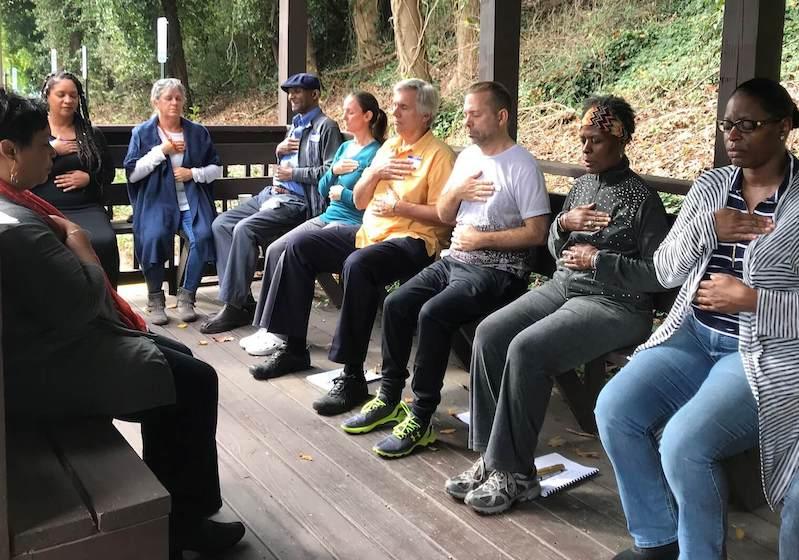
Traditionally, Reiki requires attunement from a trained Reiki master to "open" a practitioner's ability to channel energy, and formal practice is often taught across three levels. However, many people practice a simplified version of self-Reiki as a form of intentional self-touch and relaxation, without necessarily framing it in the traditional energetic terms. If you'd like to try it, I have an easy sequence for anxious moments or as part of a daily wind-down.
Before you begin, find a quiet space where you won't be interrupted for 10–20 minutes. Sit comfortably or lie down. Take three slow breaths, letting your exhale be a little longer than your inhale — this alone begins to signal safety to your nervous system. Close your eyes if that feels comfortable
Move through each position slowly, resting your hands gently for two to five minutes at each one, breathing naturally throughout. There's no need to press or apply pressure — a light, relaxed touch is enough.
When you've moved through the sequence, take a moment before opening your eyes. Notice how your breath feels compared to when you started, without judging or analyzing it too closely. Slowly bring movement back into your fingers and toes before standing up.
When anxiety spikes and you don't have 15–20 minutes, a shortened version can still help: place one hand on your chest and one on your stomach, close your eyes, and breathe slowly for two to three minutes, simply noticing the warmth and weight of your own hands. This mirrors a technique used in some grounding and self-soothing exercises more broadly, and it doesn't require any belief in Reiki's underlying framework to be a useful pause button.
Reiki is a structured, low-risk daily ritual — one built around stillness, intentional touch, and slower breathing — it offers many people a genuine sense of calm amid an anxious day. It is a meaningful complement to a customized plan of care for anxiety from your doctor or therapist, but it works best alongside it, not in place of it.
Don’t forget to follow Kellee for the latest news and music:
add soundcloud, IG





Sign up to get our latest news and stay connected.
Thank you! Your submission has been received!
Oops! Something went wrong while submitting the form