There’s one constant in life and that’s change. Whether it’s the change in the weather, our day to day lives, or the changes we encounter as we age. There are few things that can benefit people of all ages the same way, and that can appeal to children as well as elderly adults—but one of those rare occurrences is Reiki. This gentle, non-invasive modality is designed to help people at all stages of life feel more calm, promote balance, and keep their energy free of blockages. It not only gives each person the space they need to slow down and recharge, but it can provide them with benefits that last beyond the session itself.
If you’ve always wanted to learn more about how Reiki can benefit you and your loved ones, no matter their age, you’ve come to the right place because we’re covering:
Why Reiki is beneficial to everyone
How it can be helpful to children, adults, and the elderly
Ways you can find a qualified Reiki practitioner depending on your needs
Calms big emotions and worries, supports restful sleep, and eases anxiety during doctor visits or hospital stays
Adults
Relieves everyday stress and muscle tension, supports emotional balance and sleep, and offers comfort during medical treatment and life transitions
Older adults
Offers gentle relief for chronic discomfort, eases loneliness through caring presence, and may soothe agitation in people living with dementia
Hospice
Promotes comfort, peace, and dignity at end of life, and supports family members and caregivers through grief
At every age
Deep relaxation, reduced anxiety, and a greater sense of well-being are the most widely reported benefits
Good to know
A complementary practice that works alongside medical care, never in place of it
Reiki is beneficial to everyone — full stop
This modality is advantageous for all walks of life
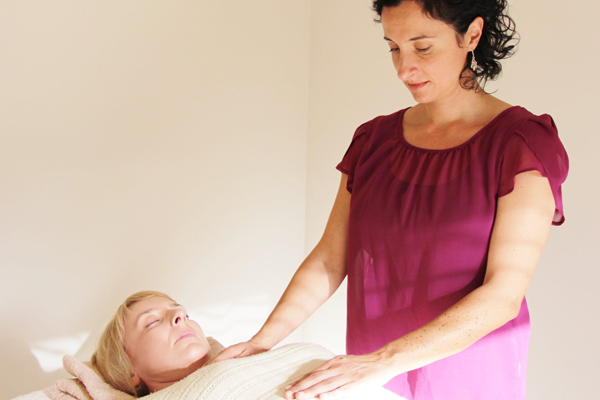
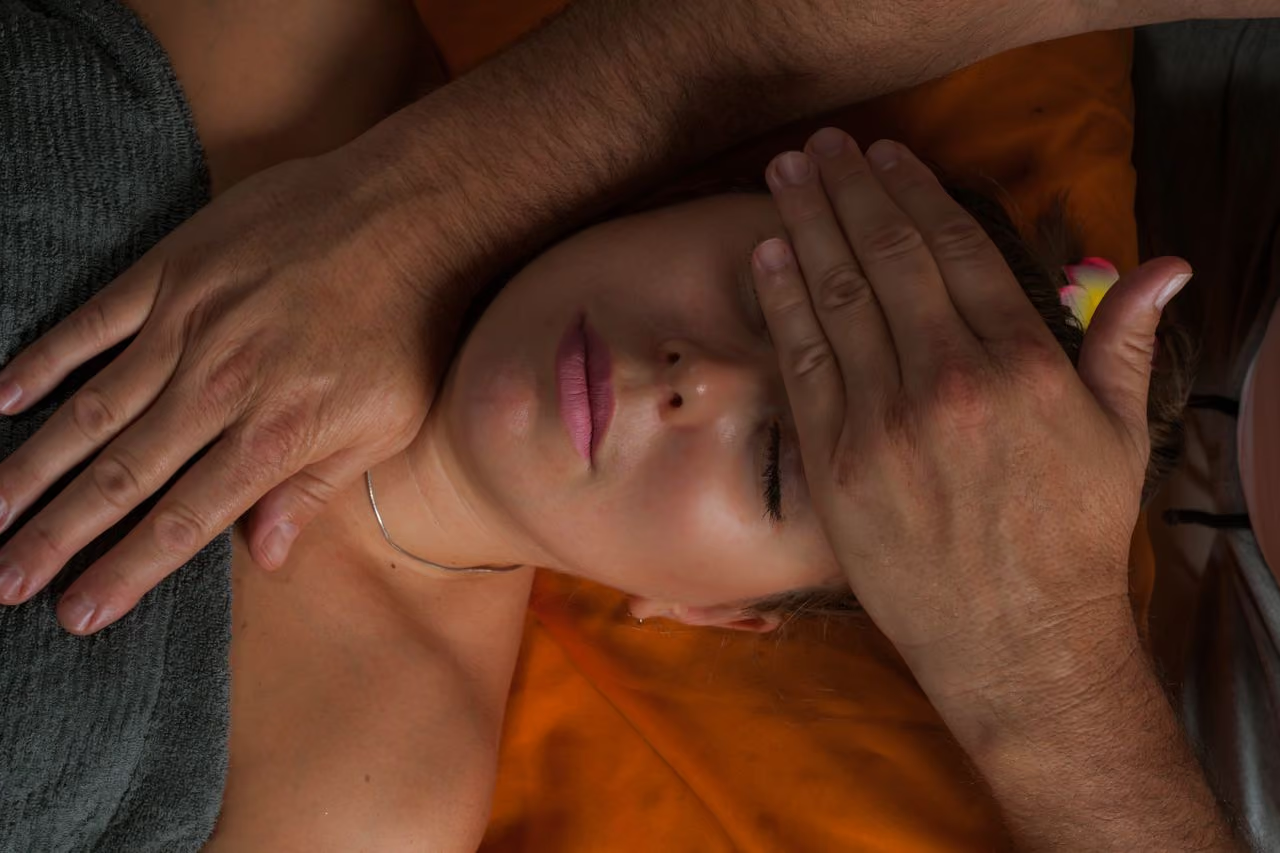
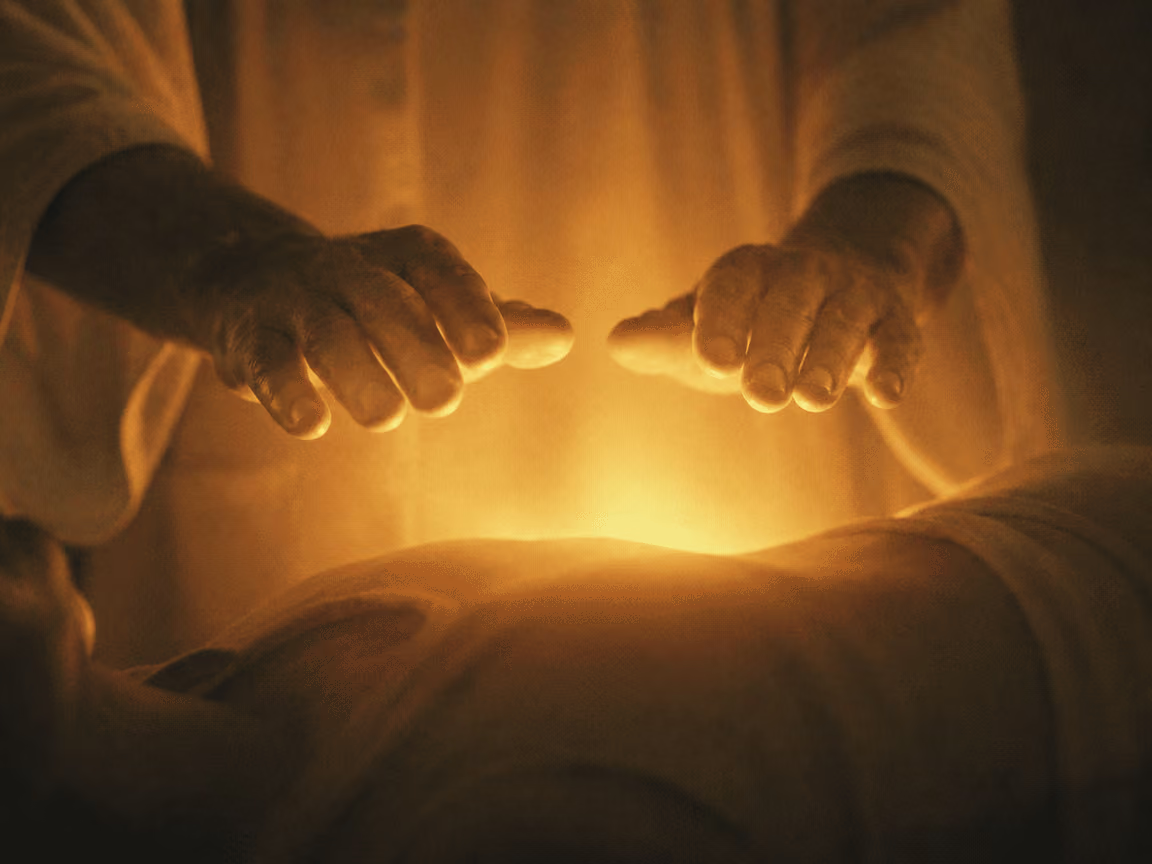
Reiki can help create a calmness throughout the body and mind through the power of touch. Image courtesy of Restore Naturally.
Reiki is a non-invasive practice developed in Japan in the 19th century designed to help energy, or ki, move freely throughout the body. As we go about our lives, we’re constantly exposed to stress, anxiety, trauma, and negative experiences that can lead to blockages in the free flow of bodily energy. Through the power of touch, or hovering above the body, a Reiki practitioner receives feedback from the energetic aura of the person. They do this by tapping into the universal life force rei that exists in everyone and every living thing. This is channeled through them thanks to their attunement, and can go exactly where it is needed to promote healing.
This helps them eventually move or release the energy that’s blocked or stagnated. The result is not only a deeply relaxed state of being for the person, but also emotional release of energy stored in the body.
The connection between the emotional, mental, and physical intelligences is very clear even after having one Reiki session. Something that festers or causes us anxiety can show up in the emotional and physical body (including as dis-ease), preventing us from experiencing free flow of energy. Without a free flow of our ki, we can’t move on and live our best lives.
If you’ve been curious about Reiki, you’re not alone. The good news is that it's great for anyone, no matter what age they are!
What are the Reiki benefits for kids?
Kids can definitely benefit from having a Reiki session
Just like there is yoga specifically curated for kids, you can also find Reiki practitioners who are specialized in Reiki for kids. Or, if you happen to know a Reiki practitioner, you can ask them to explain it to them and offer to do a quick Reiki session to show them how it’s done.
As a level III Reiki practitioner, I know from first hand experience that kids are very open and receptive to the notion of Reiki. I explain it as a warming energy that manifests with the power of my touch that will help them feel more relaxed and calm. They can often feel the warming effects and sometimes they get tingles, which makes them even more excited to keep going!
Sessions are short, no more than 10-15 minutes, and there’s no need to have them lay down on a massage table or bed. As a practitioner, I give Reiki to lots of patients sitting in a chair or on the couch. This keeps it super casual and approachable for children. They’re often quite curious about it, and they leave feeling like they’ve learned something new and had a special experience—which they have!
There are lots of ways Reiki can help kids including:
Stress and anxiety: It may help with school pressure, transitions, separation anxiety, and big emotions that kids can have a hard time dealing with. Even though their parents try to protect them from these issues, kids can have blockages of energy just as much as adults can.
Sleep: Calming bedtime sessions can support relaxation for restless sleepers. Reiki practitioners can even instruct parents on simple hand positions to do before bedtime that can become a soothing nighttime ritual with their children.
Medical settings: Some children's hospitals offer Reiki to ease anxiety before procedures and comfort children during treatment. Reiki is only administered with parental consent and with parents present, and it can offer a soothing, gentle alternative to some of the complicated medical procedures and treatments that they might have to go through. Check with the hospital to see if they support a Reiki program for patients.
Emotional regulation: It can be a tool for helping kids recognize and settle their own feelings. Sometimes kids don’t have an outlet to express what they’ve been feeling, or don’t understand why they’re feeling it. Reiki can offer a specific chance to slow down and have time where they don’t have to do something, and instead can just be.
Teaching kids self-Reiki: A Reiki practitioner can provide simple, age-appropriate techniques children can learn (or their parents) so that they can turn to techniques to help themselves in times of stress.
The benefits of Reiki for adults
There are all kinds of reasons for adults to incorporate Reiki into their lives
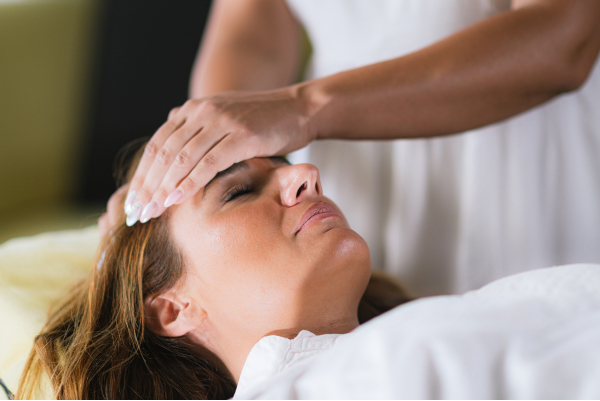
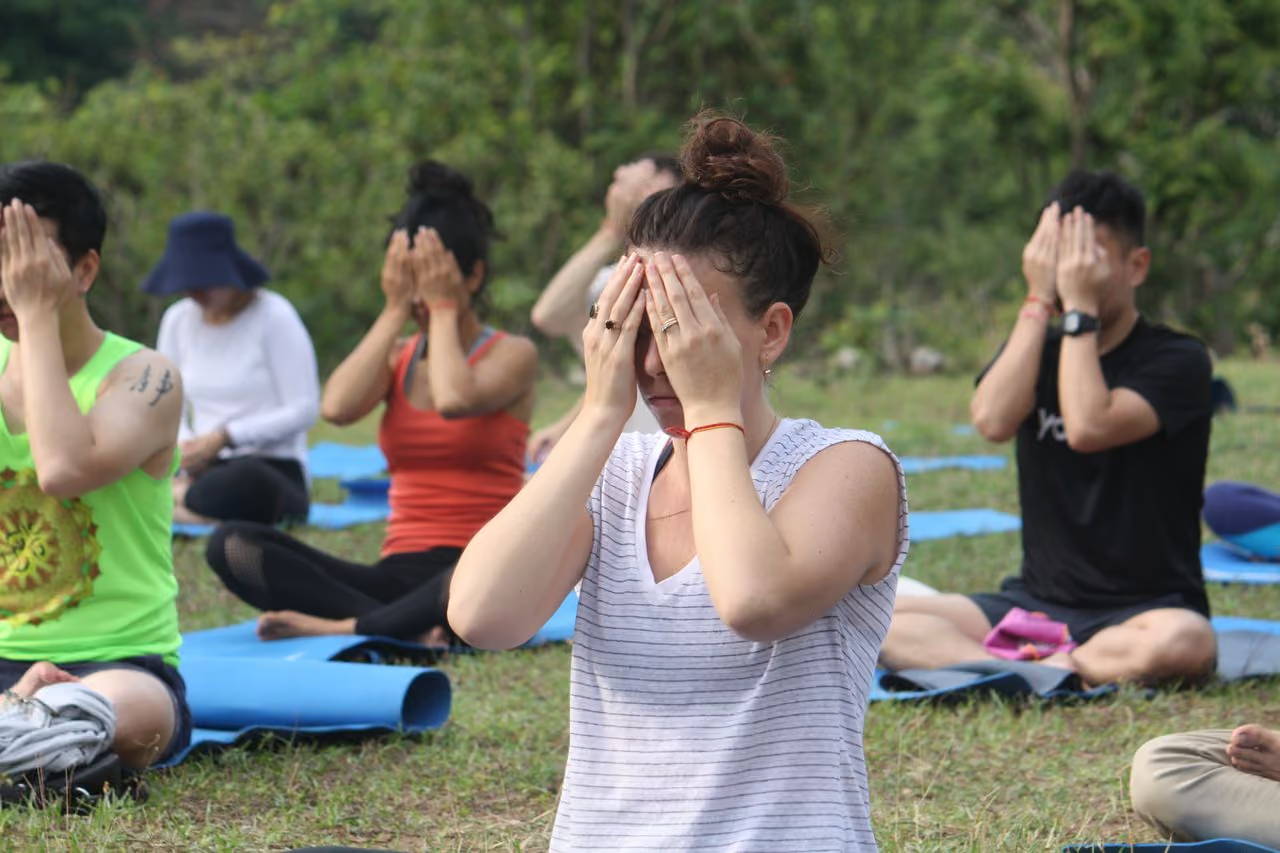
Over-stressed adults crave a practice that leaves them feeling relaxed and more at ease. Image courtesy of Alevo.
We’ve broken this into sections to show how Reiki can help adults on a variety of levels.
Stress Management
The cost of chronic stress: Its links to fatigue, irritability, muscle tension, digestive issues, and weakened resilience.
Shifting into "rest and digest" mode: Many people describe a deep calm during sessions, and some small studies have looked at markers like heart rate and blood pressure.
A pause from constant stimulation: Sessions offer an hour without screens, demands, or conversation.
Carryover effects: Many recipients report feeling calmer and more grounded for hours or days afterward.
Mental and Emotional Well-Being
Anxiety: Reduced anxiety is one of the more consistently reported outcomes in Reiki research.
Low mood: Possible support for people experiencing sadness or emotional heaviness, alongside counseling or other care.
Emotional release: Some people experience tears, laughter, or a sense of "letting go" during sessions, and practitioners can explain this as a normal part of the process.
Mental clarity: Many recipients report a quieter mind and an easier time focusing after a session.
Complementing therapy: Reiki can work alongside talk therapy, but it is not a substitute for professional mental health treatment.
Physical Comfort and Pain
Muscle tension: Relaxation of tight shoulders, jaw, neck, and back, which are common stress-holding areas.
Headaches: Some people use Reiki as part of their approach to tension headaches.
Chronic pain conditions: Complementary support for people managing conditions like fibromyalgia, back pain, or arthritis, with some studies showing reductions in perceived pain.
Post-surgical recovery: Some hospitals offer Reiki to help patients feel more comfortable and less anxious while recovering.
Sleep and Energy
Falling asleep and staying asleep: Many people find the deep relaxation of Reiki helps them unwind and rest better.
Breaking the stress-insomnia cycle: Calming the nervous system may make it easier to let go at bedtime.
Restoring vitality: Recipients often describe feeling refreshed, lighter, or more energized after sessions.
Burnout recovery: Reiki can be one part of a broader plan for recovering from exhaustion and overwork.
Support During Medical Treatment
Cancer care: Many cancer centers offer Reiki to help patients cope with the stress, fatigue, and nausea that can come with treatment.
Chronic illness: Support for the emotional toll of managing long-term conditions like autoimmune disorders or heart disease.
Before and after procedures: Use in some hospitals to ease pre-surgery anxiety.
Support Through Life Transitions
Pregnancy and postpartum: A gentle relaxation option during pregnancy and support during the adjustment to new parenthood.
Career changes and job loss: Grounding during periods of uncertainty.
Relationship changes: Comfort through divorce, separation, or other relationship upheaval.
Grief and loss: A calm space for processing the death of a loved one.
Midlife and menopause: Support for the physical and emotional shifts of this stage.
Reiki benefits for the elderly
Older recipients can really benefit from Reiki
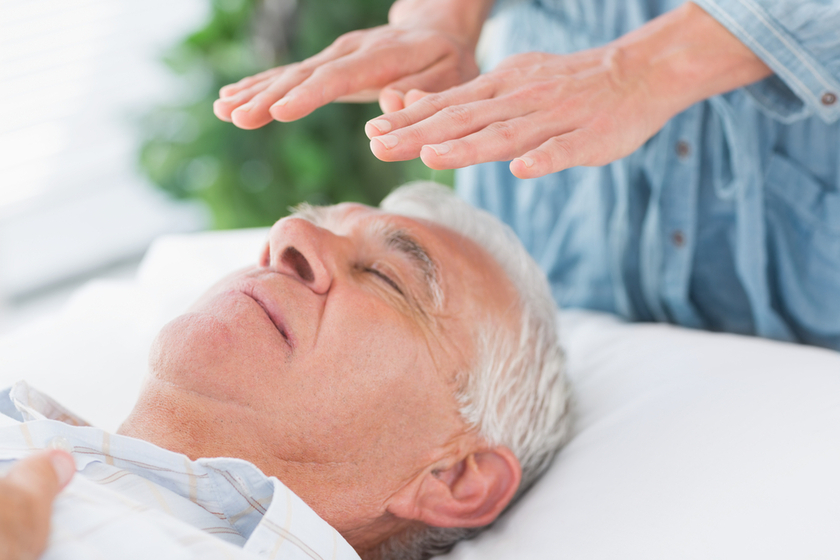
Elderly Reiki recipients also see the value of a session. Image courtesy of Discovery Village.
As we age, our bodies often call for gentler forms of care, and Reiki is one of the best modalities to turn to. Because it requires no physical exertion and can be given while someone is seated in a chair or resting in bed, it is well suited to older adults with limited mobility or fragile health. Practitioners can use very light touch or hold their hands just above the body, making sessions comfortable even for those with sensitive joints or skin.
Many older adults live with chronic discomfort from conditions like arthritis, and Reiki may offer complementary relief by encouraging deep relaxation and easing tension. Some small studies have found reductions in perceived pain and anxiety among older participants, though more research is needed. Reiki can also help with sleep difficulties, which become more common in later life.
Just as important is Reiki's emotional benefit. Loneliness and isolation affect many seniors, especially those living alone or in care facilities. A Reiki session offers calm, attentive human presence and caring touch, which can be deeply comforting—especially when given in consistent sessions. For people living with dementia, caregivers sometimes report that Reiki helps soothe agitation and restlessness, particularly during the late-afternoon confusion known as sundowning.
Reiki is increasingly offered in assisted living communities, nursing homes, and through in-home visits. For the best experience, practitioners should coordinate with caregivers and healthcare providers and adapt sessions to each person's hearing, vision, and mobility needs. Used alongside conventional care, Reiki can be a meaningful way to support comfort and dignity in later years.
Reiki for those in hospice
If you have a loved one in hospice, you know how hard it can be to know they might be entering into their final transition stage. Although some patients get better and move out of hospice, most patients in it have been given around 6 months left to live. I have been working as a Reiki volunteer at a hospice and have had the privilege of knowing a few very dear terminal patients who benefited from Reiki sessions in their final months.
Reiki sessions for those in hospice focus more on spiritual and emotional healing, as opposed to physical. The gentle healing energy is felt, even if the patient cannot express in words how it feels. I’ve witnessed patients breathe easier, have better sleep that night, and appear to have relief wash over their faces during a session. Giving a little peace at this stage of their life is something that’s important to me as a Reiki practitioner, as we’ll all face this time in our lives eventually.
Specifically, Reiki for those in hospice helps with:
Shifting the goal to comfort: Reiki fits the hospice philosophy of quality of life and dignity.
Easing physical distress: Possible reductions in perceived pain, restlessness, and breathing-related anxiety.
Emotional and spiritual support: Peace, calm, and comfort with the dying process across belief systems.
Support for families and caregivers: Reiki for loved ones experiencing anticipatory grief and caregiver exhaustion.
Bedside practice: Hands-off or very light-touch approaches around medical equipment and fragile bodies.
Hospice volunteer programs: How many hospices include Reiki practitioners in their care teams.
The benefits of Reiki are available for everyone, at any stage of life
From childhood through the final chapter of life, Reiki offers something that people of every age need: a chance to rest, feel cared for, and find a moment of calm. For children, it can soothe big emotions and ease fears during medical visits. For adults, it provides a restorative counterbalance to stress, busy schedules, and life's many transitions. For older adults, it offers gentle comfort, relief from isolation, and support for the physical changes of aging. And for those in hospice, it brings peace and dignity at the end of life while also comforting the families who keep watch at the bedside.
FAQ
Common Questions About Reiki Across the Lifespan
Is Reiki safe for children?
Reiki is considered very low risk for children because it is gentle, painless, and non-invasive. Sessions are usually shorter to match a child's attention span, and a parent or guardian should give consent and can stay in the room. Look for a practitioner who has experience working with kids.
What does a Reiki session feel like?
Most people describe a deep sense of calm. You stay fully clothed and lie on a table or sit in a chair while the practitioner places their hands lightly on or just above your body. Some people feel warmth, tingling, or heaviness, while others simply feel relaxed or drowsy. All of these experiences are normal.
Can Reiki replace medical treatment?
No. Reiki is a complementary practice meant to support conventional medical care, not replace it. Its most commonly reported benefits are relaxation, reduced anxiety, and a greater sense of well-being. Always talk with your healthcare provider about any health concerns and let them know about complementary practices you use.
Is Reiki appropriate for older adults with limited mobility?
Yes. Reiki requires no physical effort and can be given while someone is seated or resting in bed. Practitioners can use very light touch or a hands-off approach, which makes it comfortable for people with arthritis, fragile skin, or other age-related conditions.
How is Reiki used in hospice care?
Many hospices include Reiki practitioners in their volunteer or care programs. At the bedside, Reiki is used to promote comfort, calm, and peace, and it can be adapted around medical equipment. It is also often offered to family members and caregivers who are coping with stress and anticipatory grief.
What does the research say about Reiki?
Research on Reiki is still developing. Most studies are small, but the most consistent findings point to benefits for relaxation, anxiety, and perceived pain. Scientists have not reached a consensus on how Reiki works, though its low risk has led to growing use in hospitals and palliative care.
How often should I get Reiki?
There is no fixed rule. Some people start with a short series of weekly sessions and then move to monthly visits for maintenance, while others book sessions during stressful times. Many people also learn Reiki Level I so they can practice self-Reiki at home between sessions.