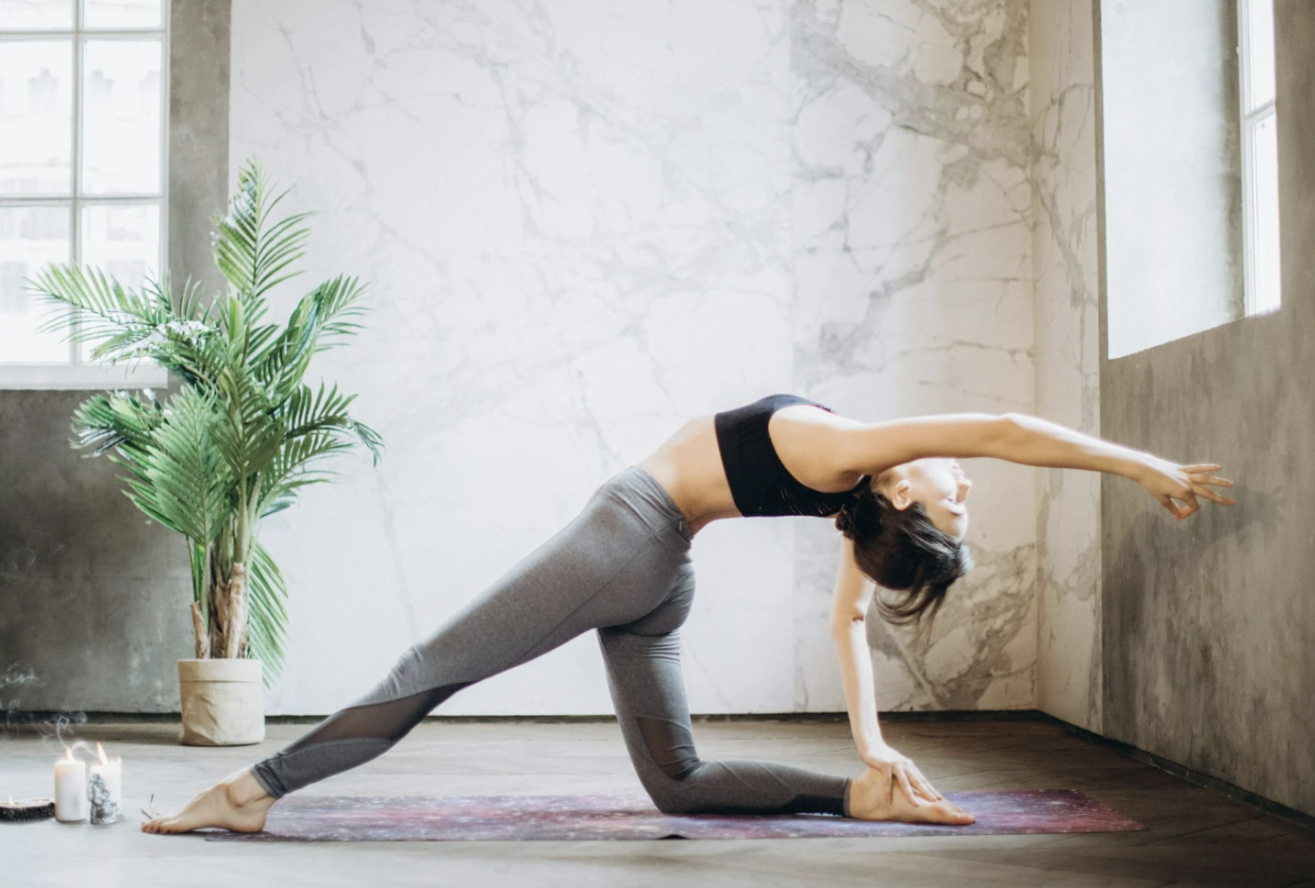
Main image courtesy of Evolve.
Energy awareness could be the missing link for many people who practice yoga and meditation but feel they have plateaued, or just aren’t getting as much from their practice. You can hold a pose with perfect alignment or sit for twenty minutes with your eyes closed and still feel as though something is absent. That something is often the felt sense of energy moving through the body.
Energy awareness is the practice of noticing the subtle sensations, rhythms, and shifts in vitality that happen within you from moment to moment. It is not mystical guesswork, but a skill of attention, similar to how a musician learns to hear the difference between two close notes. With practice, you begin to sense warmth, tingling, pulsation, heaviness, lightness, and the way breath seems to spread through areas of the body.
When you bring energy awareness into your mat practice and your meditation cushion, you open up yourself to a whole new set of experiences.
Sound intriguing? If so, keep going because in this article, we’re going to cover:
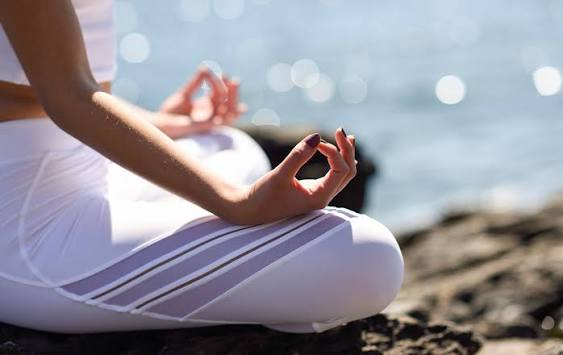
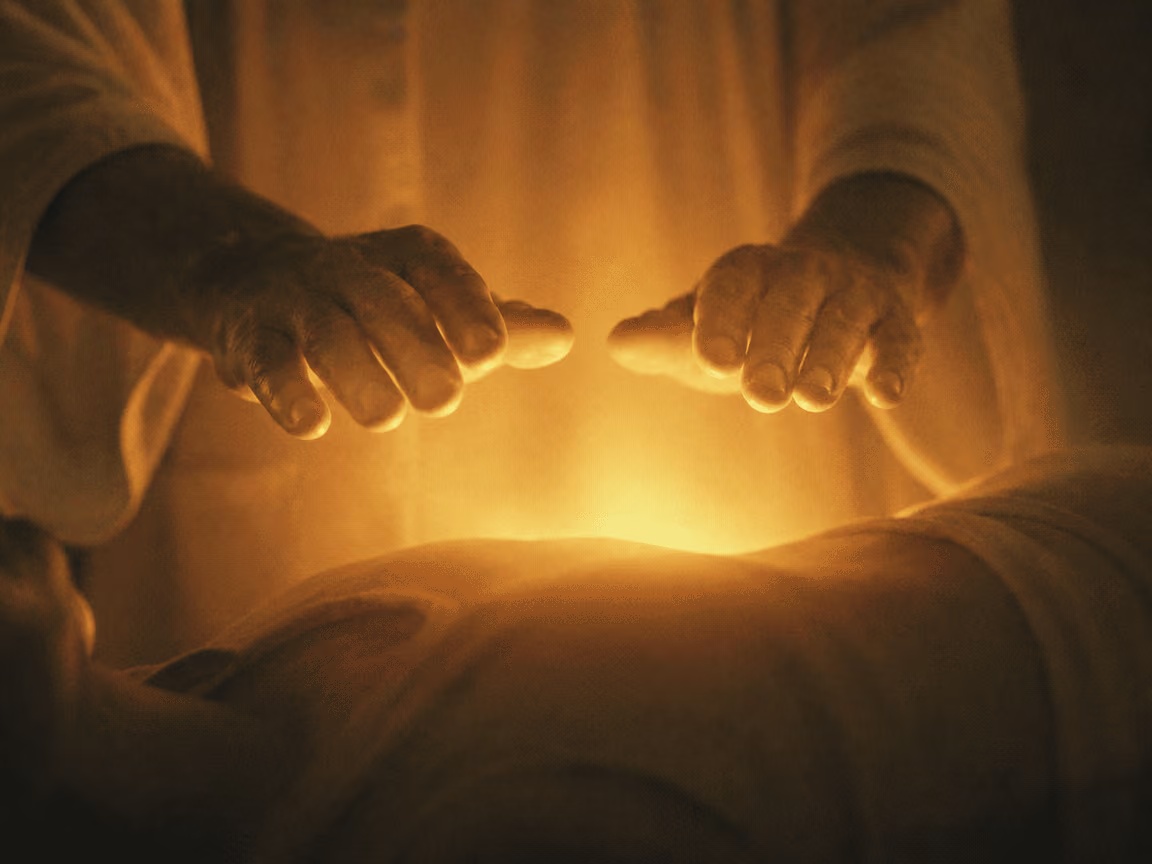
Many contemplative traditions describe a life force that animates the body. In the yogic tradition it is called prana, a Sanskrit word often translated as "vital energy" or "breath of life." Chinese medicine and qigong call it qi, while Reiki practitioners call it ki. These systems map pathways along which this energy is said to travel: nadis in yoga, meridians in Chinese practice. Yoga also describes chakras, centers where energy is believed to gather along the spine.
You do not need to adopt any belief system to benefit from energy awareness. From a practical, modern view, what we call "energy" in practice includes real and measurable things: breath, circulation, muscle tone, nervous system arousal, and the stream of sensory signals the body sends to the brain. Scientists call the ability to perceive these internal signals interoception. Energy awareness overlaps heavily with interoception, and both can be trained.
At its simplest, energy awareness asks three questions:
These questions turn every practice into a feedback loop. Instead of following instructions blindly, you learn to read your own state and respond to it. By consistently checking in and making adjustments accordingly, you’re moving in harmony with your body and energy.
People often walk into a yoga class tired and walk out feeling refreshed. That is not an accident. Yoga combines movement, breath, and focused attention in ways that raise and balance your energy on several levels at once.
Gentle stretching and strengthening improve circulation and release muscular tension. Tight muscles consume energy just to stay contracted, and chronic tension can leave you feeling drained without knowing why. Flowing sequences such as sun salutations warm the body, raise the heart rate, and send blood to areas that have been still for hours, especially if you sit at a desk.
Pranayama, the yogic practice of breath regulation, is one of the most direct ways to shift energy. Faster, more vigorous techniques like kapalabhati (skull-shining breath) tend to be stimulating. Slow, even breathing, such as alternate nostril breathing, with a long exhale tends to calm the nervous system. By choosing the breath, you choose whether you want to energize or settle.
Different poses have characteristic effects:
Stress tends to settle in predictable places: the jaw, shoulders, hips, and belly. When yoga releases tension in these areas, energy that was tied up in holding on becomes available again. Many practitioners describe this as feeling "lighter" or "more spacious" after class.
Energy awareness turns all of this from a pleasant side effect into something you can direct. When you notice how a backbend lifts your mood or how a twist clears mental fog, you can choose poses intentionally based on what your body needs that day.
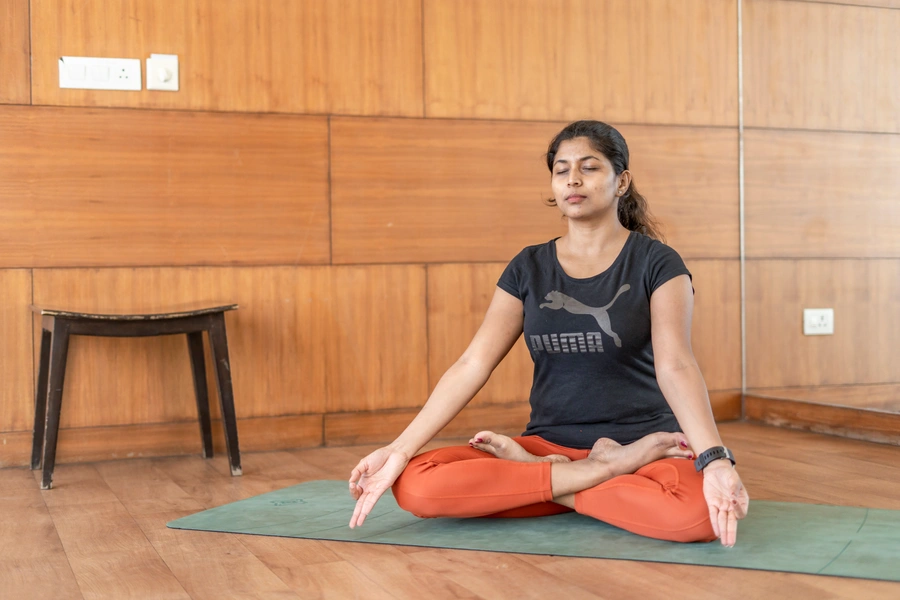
If yoga raises energy through movement, meditation improves energy flow through stillness. That may sound like a contradiction, but stillness is what allows subtle sensations to become noticeable in the first place.
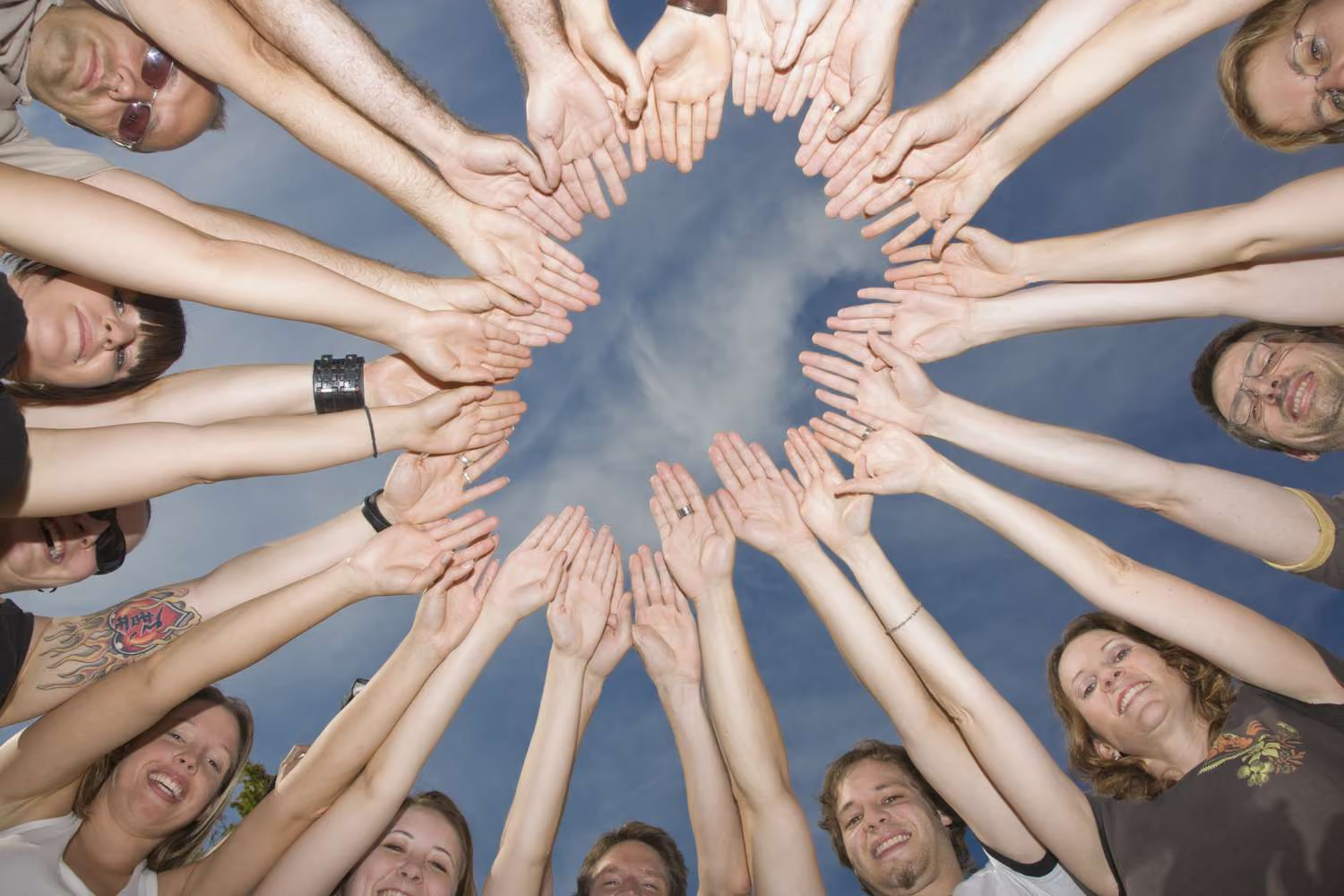
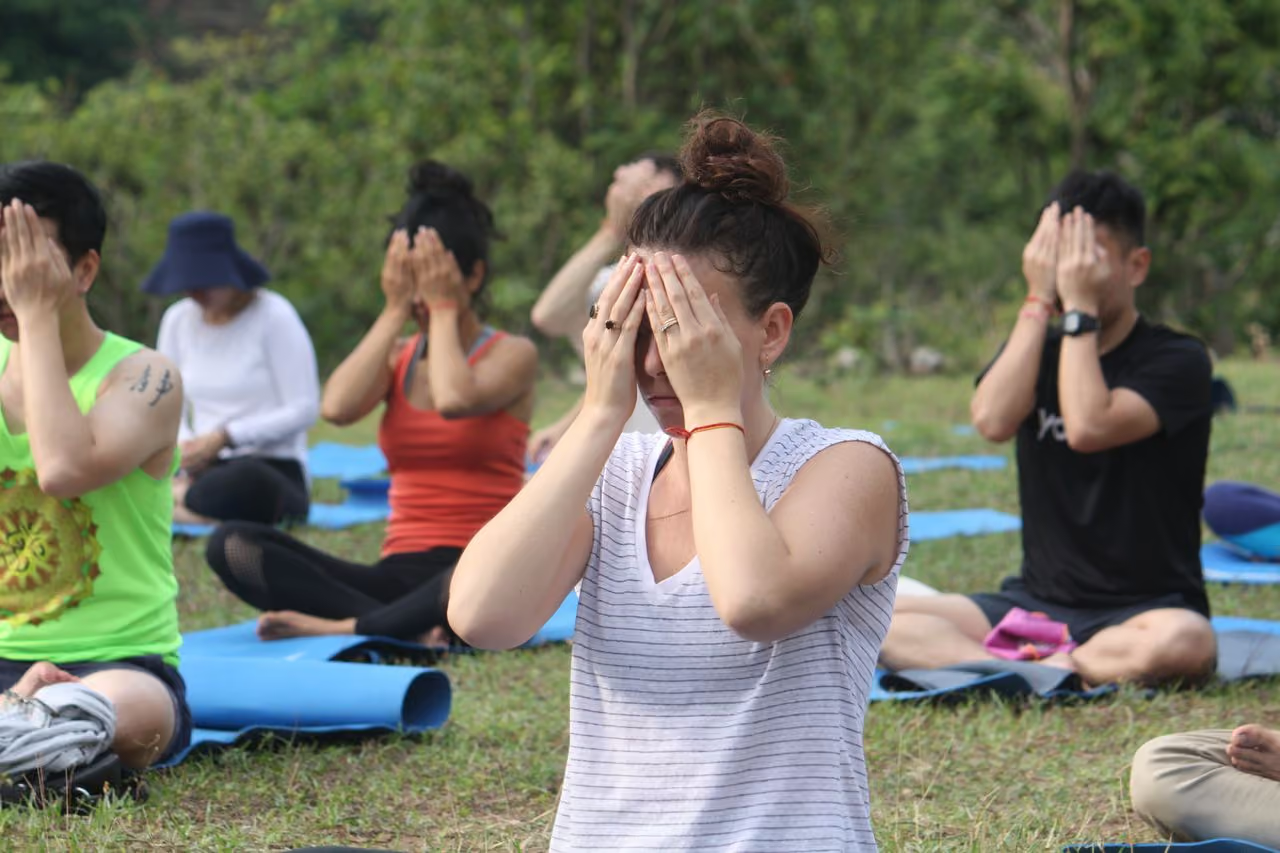
A principle shared by many traditions is that energy follows attention. Try it now: rest your attention in the palms of your hands for thirty seconds. Most people begin to feel warmth, tingling, or a gentle pulse. Nothing about your hands changed except where you placed your awareness. Meditation trains this ability, so you can bring circulation of sensation and vitality to any part of the body.
Worry, rumination, and constant planning burn a surprising amount of energy. When meditation quiets this mental chatter, it stops the leak. People often describe feeling clearer and more awake after meditating, even though they did nothing physically. The energy that was spinning in circles is now free to move.
Many forms of meditation encourage slow, natural breathing and relaxation, which supports the parasympathetic "rest and digest" side of the nervous system. When you are not stuck in fight-or-flight mode, your body can redistribute resources toward repair, digestion, and steady energy rather than short bursts followed by crashes.
Over time, meditation shifts energy flow from scattered and reactive to smooth and steady. Energy awareness is what lets you feel that shift as it happens.
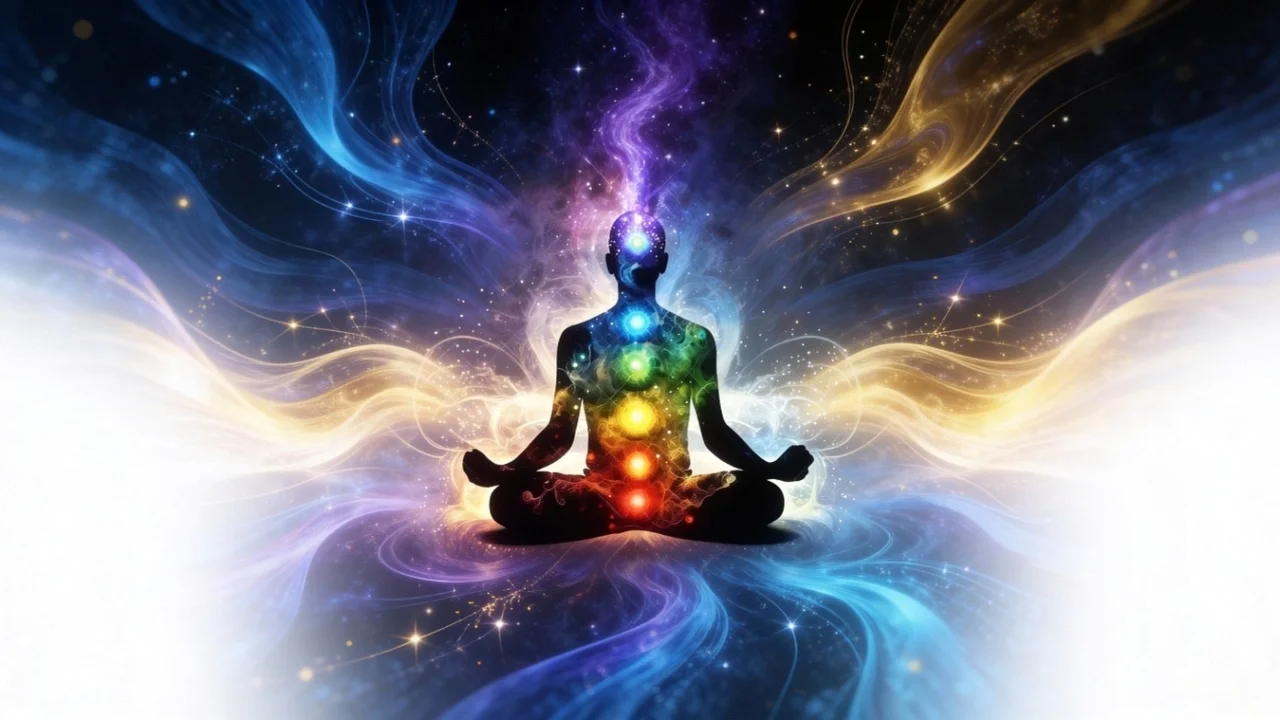
Yoga and meditation can each be practiced mechanically, just going through the motions. However, what benefit is this to your whole self? Energy awareness is what turns them from routines into living, responsive practices. It may take a little practice, but soon it will be second nature to bring more thought and awareness to how the energy moves through you.
Without energy awareness, a pose is judged by how it looks: Is my knee over my ankle? Are my hips square? With energy awareness, you also ask how it feels. You notice the line of energy running from your back heel through your fingertips in warrior II. Alignment becomes a way to create flow, not just a checklist.
When you can sense the difference between healthy intensity and strain, you are less likely to push into injury. Energy awareness gives you an early warning system. A pose that leaves you feeling bright and open is serving you. A pose that leaves you feeling jagged, depleted, or braced may need to be modified.
Energy awareness connects yoga and meditation. After an active practice, the body is often humming with sensation. Sitting to meditate at that moment gives the mind something vivid and present to rest on. The physical practice prepares the energy; the meditation lets you feel and integrate it. This is why traditional hatha yoga was designed as preparation for seated meditation.
Emotions are felt in the body as energy: a tight throat, a heavy chest, a buzzing belly. As energy awareness grows, you begin to recognize emotions earlier, often before you have words for them. This allows you to meet them with breath and attention instead of reacting automatically.
The mind settles more easily when it has an interesting, ever-changing object of focus. Subtle energy sensations are exactly that. Many meditators find that focusing on energy flow brings steadier concentration than repeating a mantra or counting breaths alone.
Energy awareness grows with small, consistent practice. These techniques work for beginners and experienced practitioners alike.
"I don't feel anything." This is the most common concern, and it is normal. Interoception is a skill, and some people start with less sensitivity than others. Begin with obvious sensations such as heartbeat, breath, or the pressure of your feet on the floor. Subtle sensations become clearer with time.
Chasing dramatic experiences. Some people expect waves of light or rushing energy. While intense experiences can happen, they are not the goal. Quiet warmth or a sense of ease is just as meaningful. Grasping for big experiences can create tension that blocks the very flow you are seeking.
Overdoing stimulating practices. Strong breathwork and vigorous practices can leave some people feeling anxious, lightheaded, or wired. More energy is not always better; balanced energy is the aim. If you feel agitated, shift to slower breathing and grounding poses.
Treating it as a substitute for care. Energy awareness supports wellbeing, but persistent fatigue, dizziness, or pain deserve attention from a healthcare professional. People with heart conditions, high blood pressure, pregnancy, or a history of trauma should learn intense breathwork and some meditation styles with a qualified teacher.
Energy awareness is what transforms yoga and meditation from exercises into experiences. Yoga increases energy by moving the body, regulating the breath, and releasing stored tension. Meditation increases energy flow by directing attention, quieting mental friction, and calming the nervous system. Together, they form a complete cycle: yoga awakens energy, and meditation lets you feel it, refine it, and carry it into daily life.
Don’t forget to follow Kellee for the latest news and music:
add soundcloud, IG





Sign up to get our latest news and stay connected.
Thank you! Your submission has been received!
Oops! Something went wrong while submitting the form