
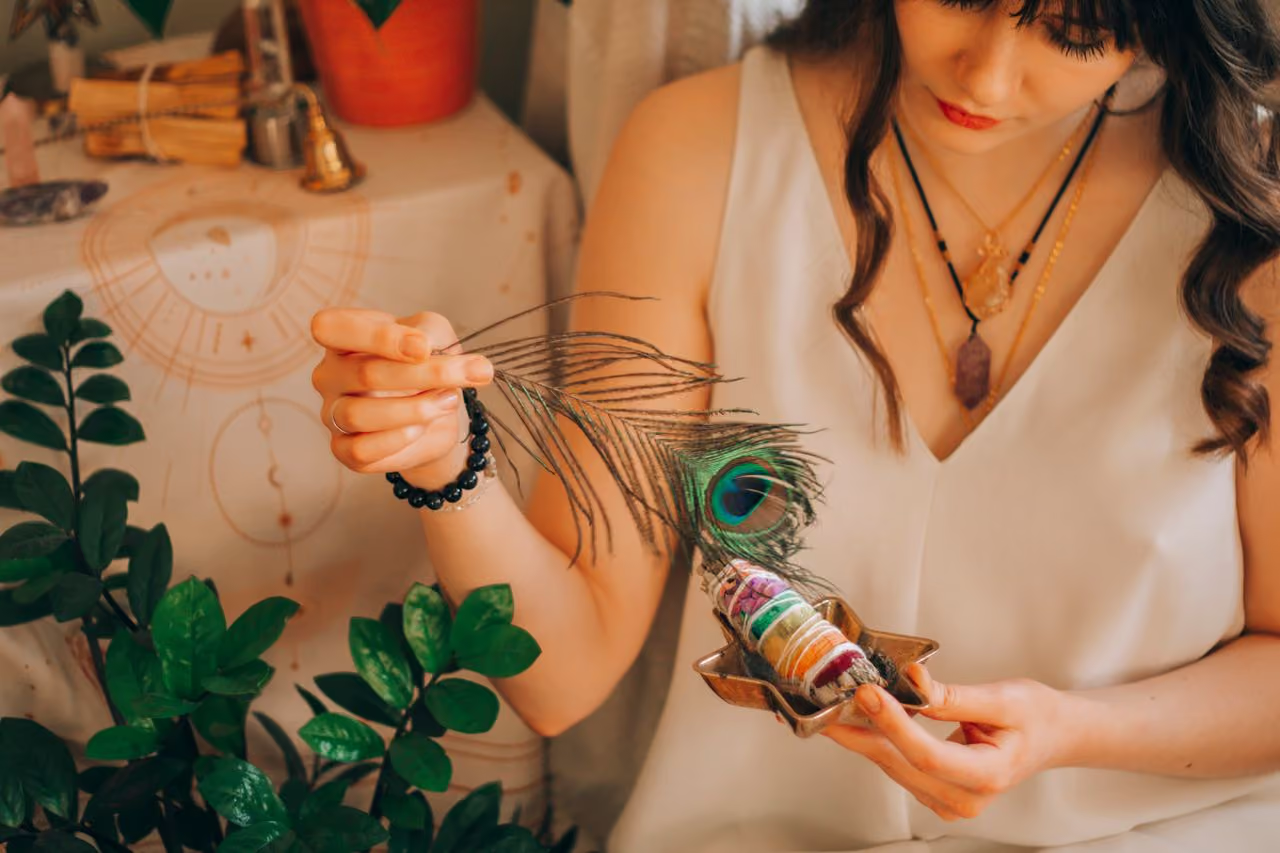
I came to smudging the way a lot of people do — through a difficult stretch. A period when my home felt heavy in a way I couldn’t entirely explain. The kind of accumulated weight that comes from hard conversations, long stressful days, and too much time spent inside your own head.
A friend suggested smudging. I was skeptical in the way that people who haven’t tried something are skeptical — not opposed, just uncertain whether lighting a bundle of dried herbs was going to do anything measurable for the atmosphere in my living room.
It did something. Not dramatic — nothing floated off the shelf or announced itself. It was quieter than that. The act of moving through each room with intention, smoke trailing, noticing corners and windows and the space where difficult things had happened — it felt like physically closing a chapter. The space felt lighter. Whether that was the smoke, the intention, the ritual of it, or some combination of all three, I stopped being skeptical fairly quickly.
Smudging is one of the most accessible energy-clearing practices available. You don’t need training or an established practice or a particular belief system to begin. You need a plant material, a way to light it, and some genuine attention. Here’s everything I know about how to do it well.
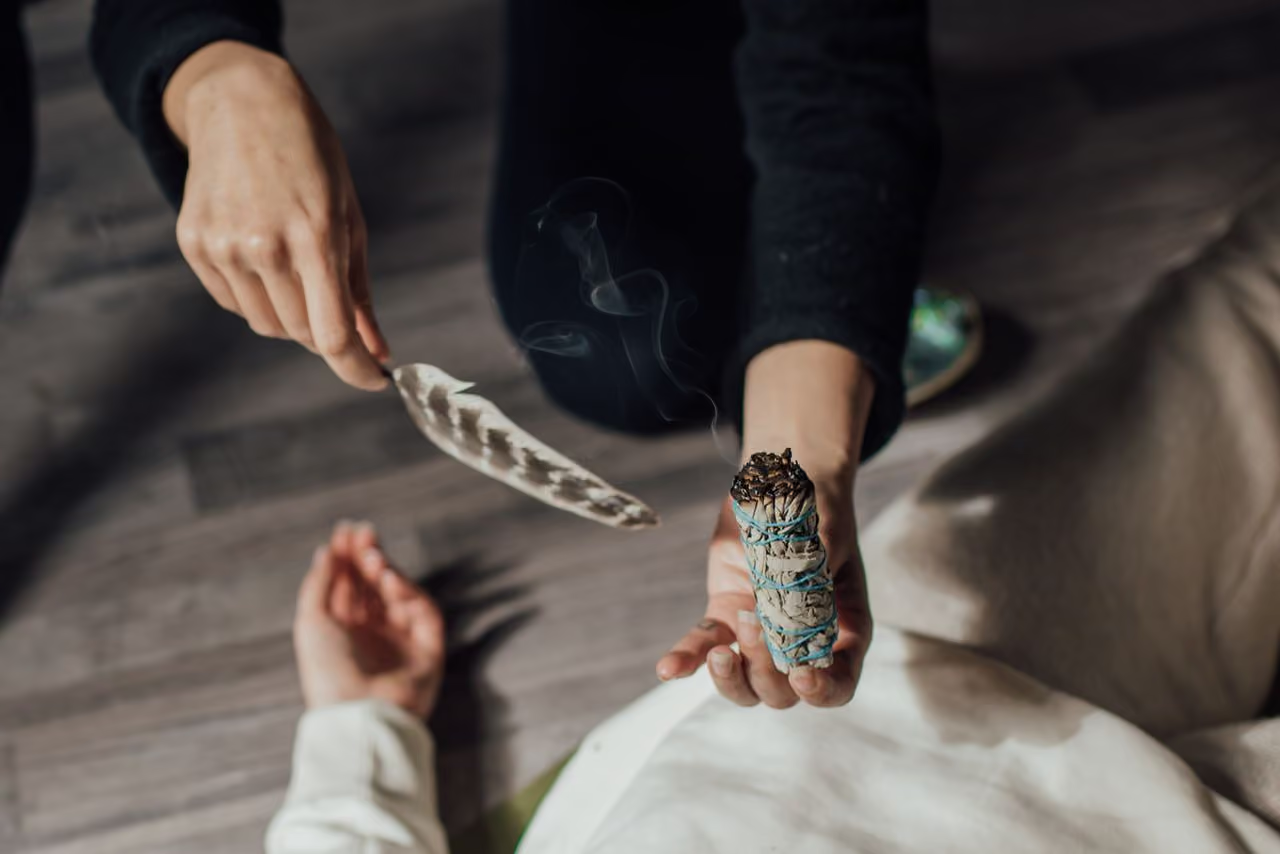
Smudging is the burning of dried plant materials — herbs, resins, wood — and the use of the smoke to clear and reset energy. The smoke is directed over a person, through a space, or over an object with the intention of clearing stagnant, heavy, or unwanted energy and restoring a quality of cleanliness and openness.
The term and the practice as most people encounter it today has roots in Indigenous North American ceremonial traditions — particularly the use of white sage (Salvia apiana) by various Southwestern and California tribes in purification ceremonies. It’s important to say this clearly rather than glossing over it: smudging with white sage is not an ancient generic wellness practice. It is a specific ceremonial practice from specific communities, and engaging with it carries some responsibility to understand that origin.
The broader practice of burning aromatic plants for spiritual and cleansing purposes is, however, genuinely cross-cultural. Incense burning appears in ancient Egyptian, Greek, Roman, Hindu, Buddhist, Jewish, and Christian traditions. Frankincense and myrrh have been burned for spiritual purposes for thousands of years across the Middle East and North Africa. Copal resin is used in Mesoamerican ceremonial contexts. The burning of herbs for purification and blessing is something humans across almost every culture have done independently — which suggests it responds to something real in human experience, whatever the specific mechanism.
In contemporary practice, the word smudging is used broadly to cover burning any plant material for energy clearing purposes, not only white sage in ceremonial contexts. That broader use is what this guide addresses.
Before getting into the how-to: the popularity of smudging has created a real problem for wild white sage populations in California, where overharvesting — driven largely by commercial demand — has stressed native plant communities. It has also commercialized a sacred practice in ways that many Indigenous practitioners find disrespectful.
This doesn’t mean you shouldn’t smudge. It means being thoughtful about how.
If you want to work with white sage specifically: source it from Indigenous-owned suppliers or reputable spiritual shops where possible, buy cultivated rather than wildcrafted sage when you can, and use it with the seriousness it deserves rather than as a trendy wellness prop.
If you’d rather sidestep this entirely: palo santo, frankincense, locally grown culinary herbs like rosemary and lavender, and cedar are all effective alternatives with different cultural origins and their own legitimate histories of use. None of this is about prohibition — it’s about engaging with the practice honestly rather than extractively.
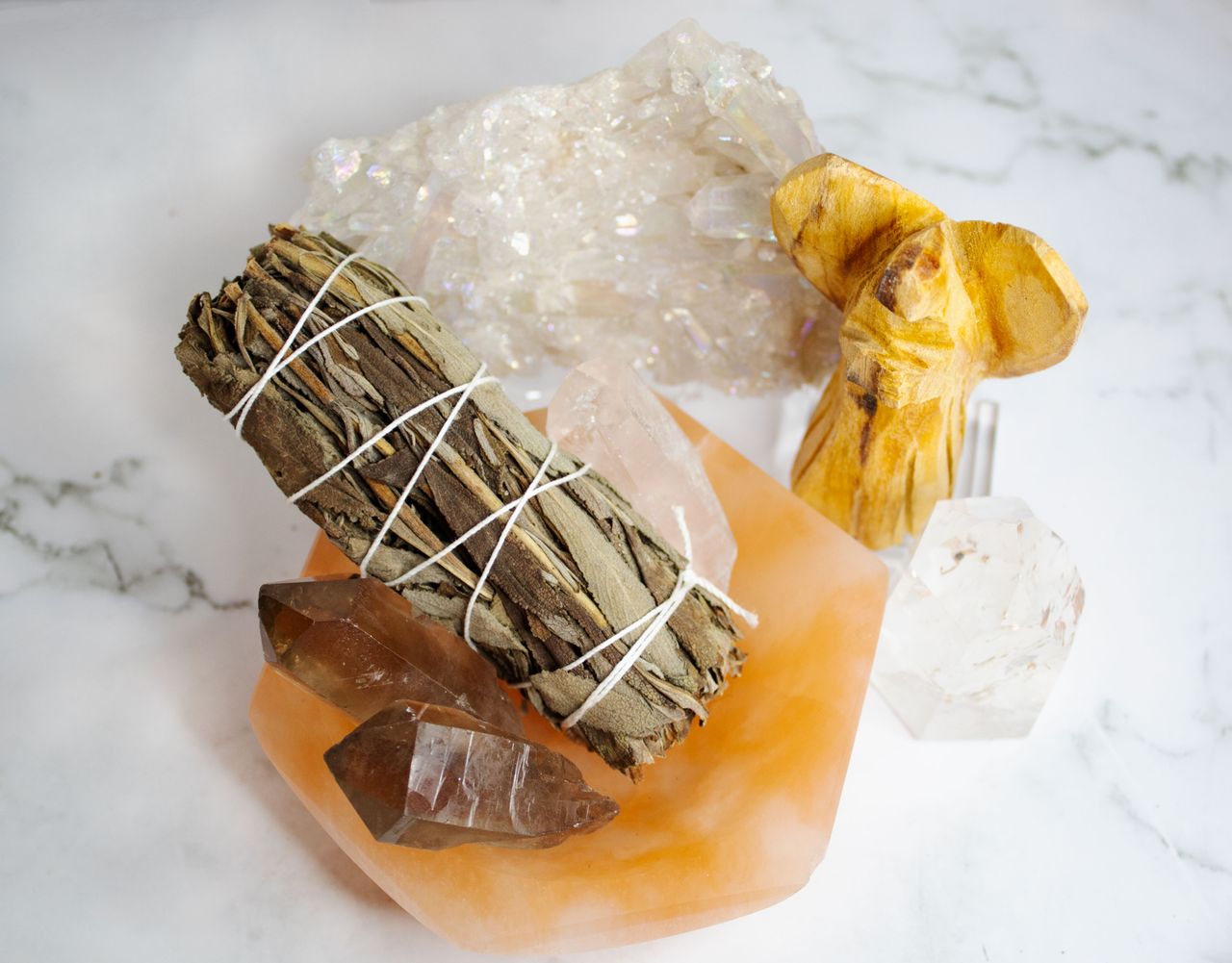
The most familiar smudging material in contemporary Western practice. White sage produces a strong, somewhat medicinal smoke with a distinctive earthy quality. Most practitioners describe its clearing effect as thorough and complete — it tends to neutralize everything, which makes it appropriate for deep clearing after significant events (conflict, illness, grief, moving into a new space) but occasionally more than necessary for routine maintenance.
Bundles dry and burn evenly; loose leaves can be burned on charcoal or a heat-safe dish. The smoke dissipates relatively slowly, which makes it effective for filling and moving through a space.

Palo santo — “holy wood” in Spanish — is a tree native to South America whose wood has been used in ceremonial and healing contexts across Ecuador, Peru, and other Andean countries for centuries. It produces a warm, sweet, slightly citrusy smoke that many practitioners find gentler and more welcoming than white sage. Where sage clears, palo santo is often described as inviting — it brings positive energy in rather than simply clearing negative energy out.
It’s a practical material to work with: palo santo sticks light easily, hold a smolder well, and can be extinguished and reused multiple times. One stick typically lasts through several sessions.
Sustainability note: like white sage, palo santo has faced overharvesting pressure. Look for suppliers who source from fallen trees rather than harvested living ones, and who can speak to their supply chain.
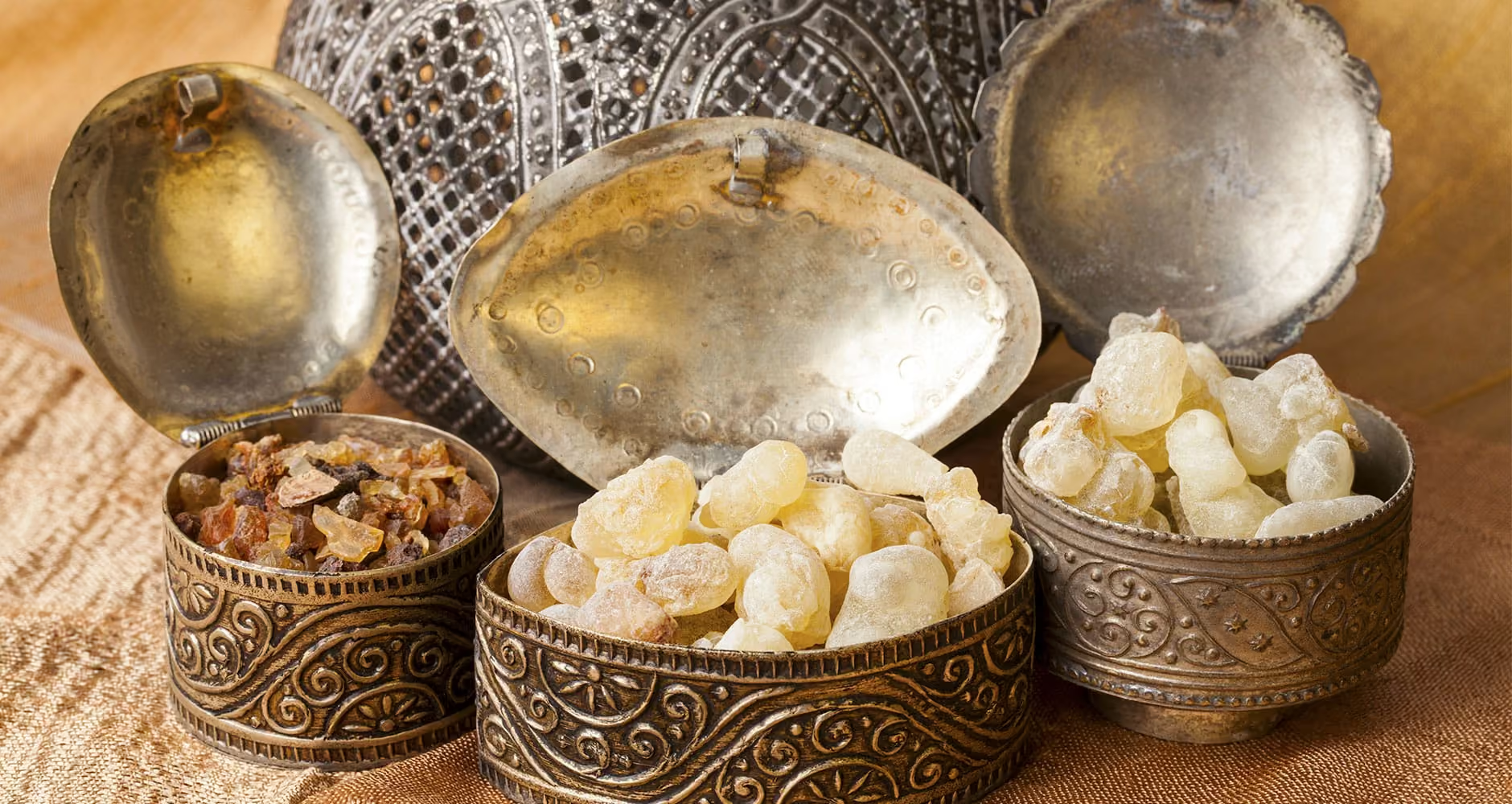
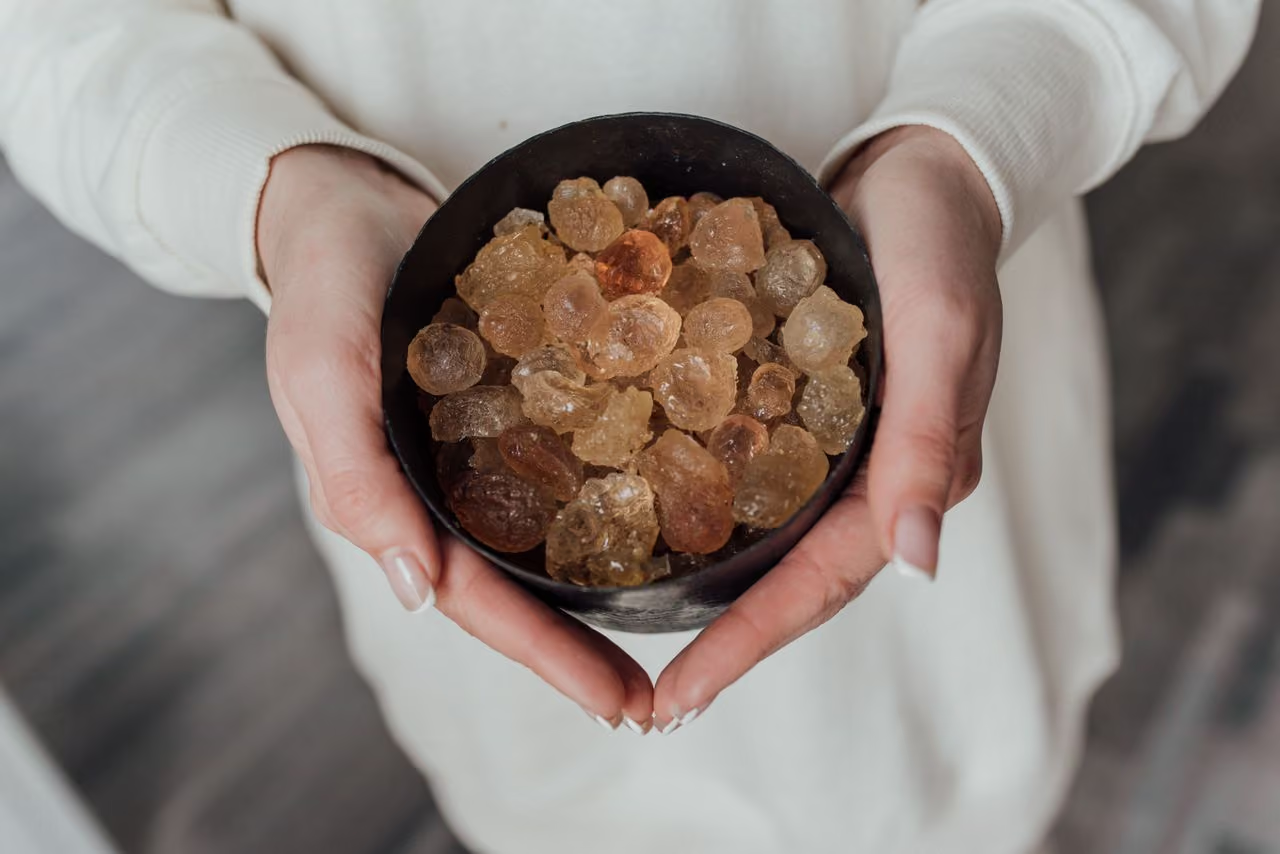
Both are tree resins burned on charcoal for thousands of years across spiritual traditions. Frankincense produces a rich, deep, slightly citrusy smoke traditionally associated with spiritual elevation and sacred space. Myrrh is earthier and more grounding. Both are appropriate for meditation, altar work, and creating a ceremonially weighted atmosphere. Neither requires a bundle — small amounts of resin on a charcoal disk produce sustained, fragrant smoke.
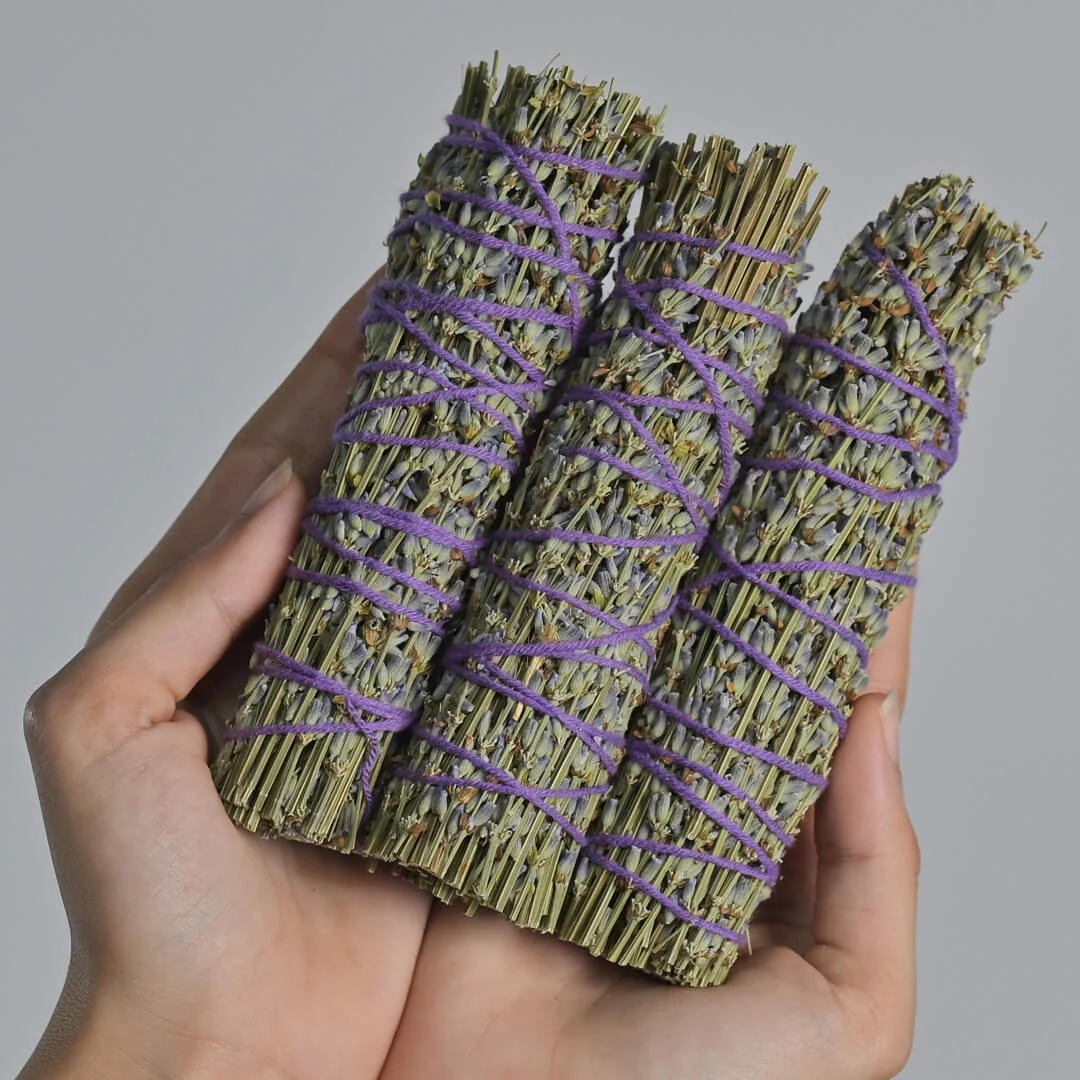
Dried rosemary is one of the oldest purification herbs in European folk tradition and produces a clean, sharp smoke appropriate for space clearing. Lavender is gentler and more calming. Cedar has strong protective associations in both Indigenous and European traditions. If you grow these in a garden, drying and burning your own herbs is a particularly grounded and personal form of this practice — the plant comes from your specific place.
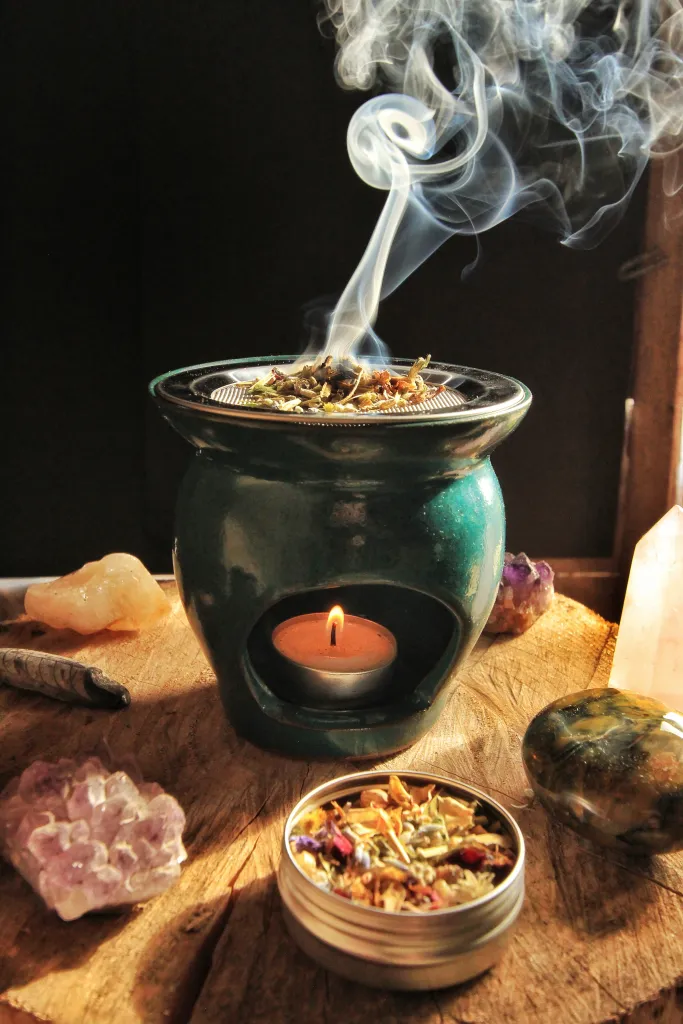
Many practitioners use loose incense blends — combinations of herbs, resins, and plant materials burned on charcoal — rather than single-material bundles. These allow for more customization and can be tailored to specific intentions.
At minimum: your plant material, a way to light it, and something to catch ash. That’s the whole kit.
More practically:
Before you light anything, take a moment to get clear on what you’re doing and why. This doesn’t need to be elaborate — it can be as simple as I’m clearing the energy of this week and resetting this space or I want this home to feel welcoming and calm. The intention is what transforms lighting something on fire into a practice.
Smoke and energy need somewhere to go. Open at least one window in each room you’ll be moving through. The front door is traditionally left open as the primary exit point.
Hold the end of your bundle or stick in flame until it catches — this may take ten to fifteen seconds. Once it’s burning, blow it out gently so it smolders rather than burns with an open flame. A good smolder will produce steady, flowing smoke. If it goes out, simply relight it.
Starting at your front door and moving clockwise, carry your smoking bundle through each room. Direct smoke into corners — energy tends to stagnate there — and along walls, around doorframes, and across windowsills. Move slowly and deliberately. Let your intention stay present as you move.
Pay extra attention to spaces that have held difficult energy — the room where an argument happened, a bedroom during a period of illness, a home office after an especially stressful stretch.
Return to where you started — usually the front door. Take a few breaths. You can say something aloud if that resonates, or simply acknowledge internally that the clearing is complete.
Press the lit end of your bundle firmly into your dish or shell until it’s fully extinguished. Don’t leave a smoldering bundle unattended. Palo santo sticks can usually be blown out gently and reused; sage bundles sometimes need more pressure to extinguish completely.
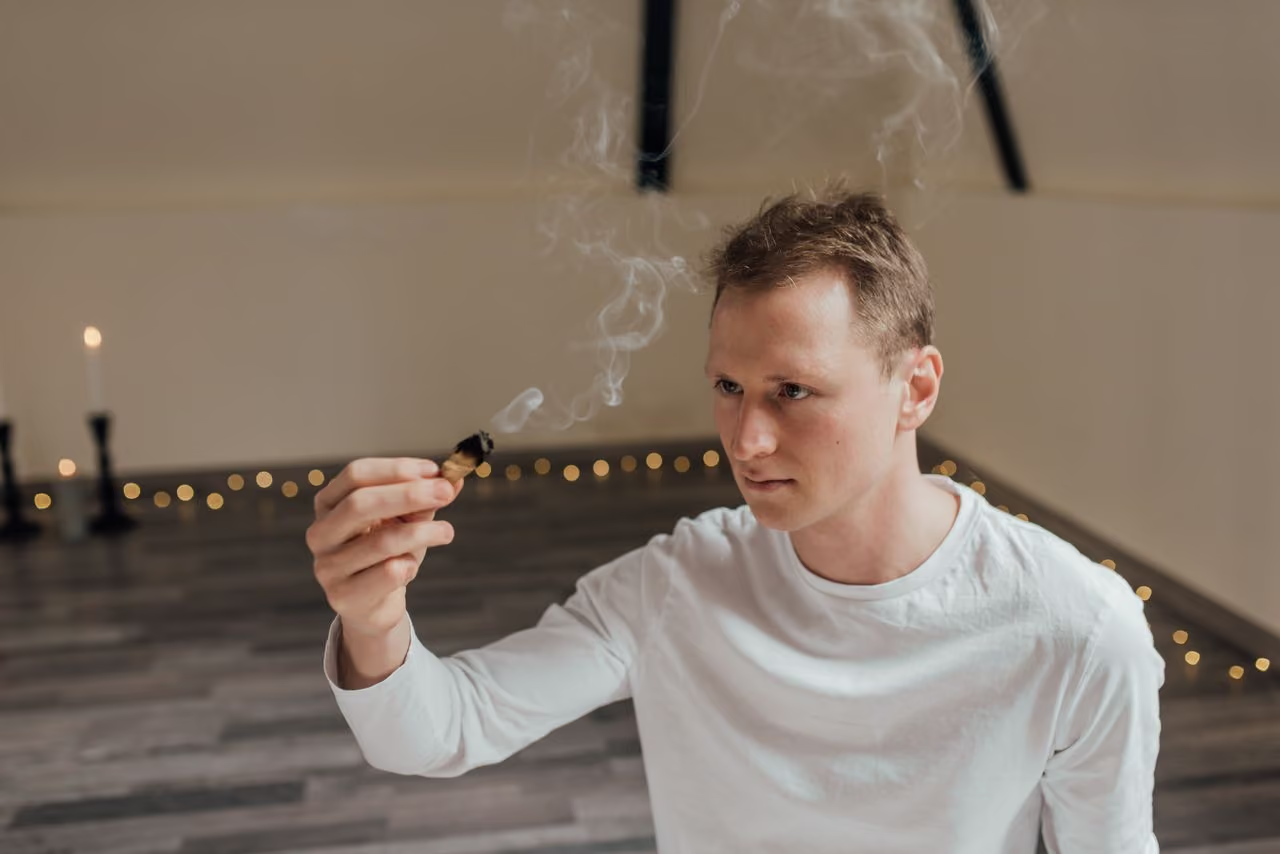
Smudging your own energy field — called aura cleansing in some traditions — is useful after draining interactions, before meditation or spiritual work, or any time you feel like you’re carrying energy that isn’t yours.
Stand over your dish so ash falls safely. Direct the smoke over your body, starting at your feet and moving upward — over your legs, torso, arms, and around your head. You can use your hand or a feather to move the smoke. As you do, set the intention to release anything you’ve absorbed that doesn’t belong to you.
This takes two or three minutes and can become a meaningful part of a daily or weekly self-care practice.
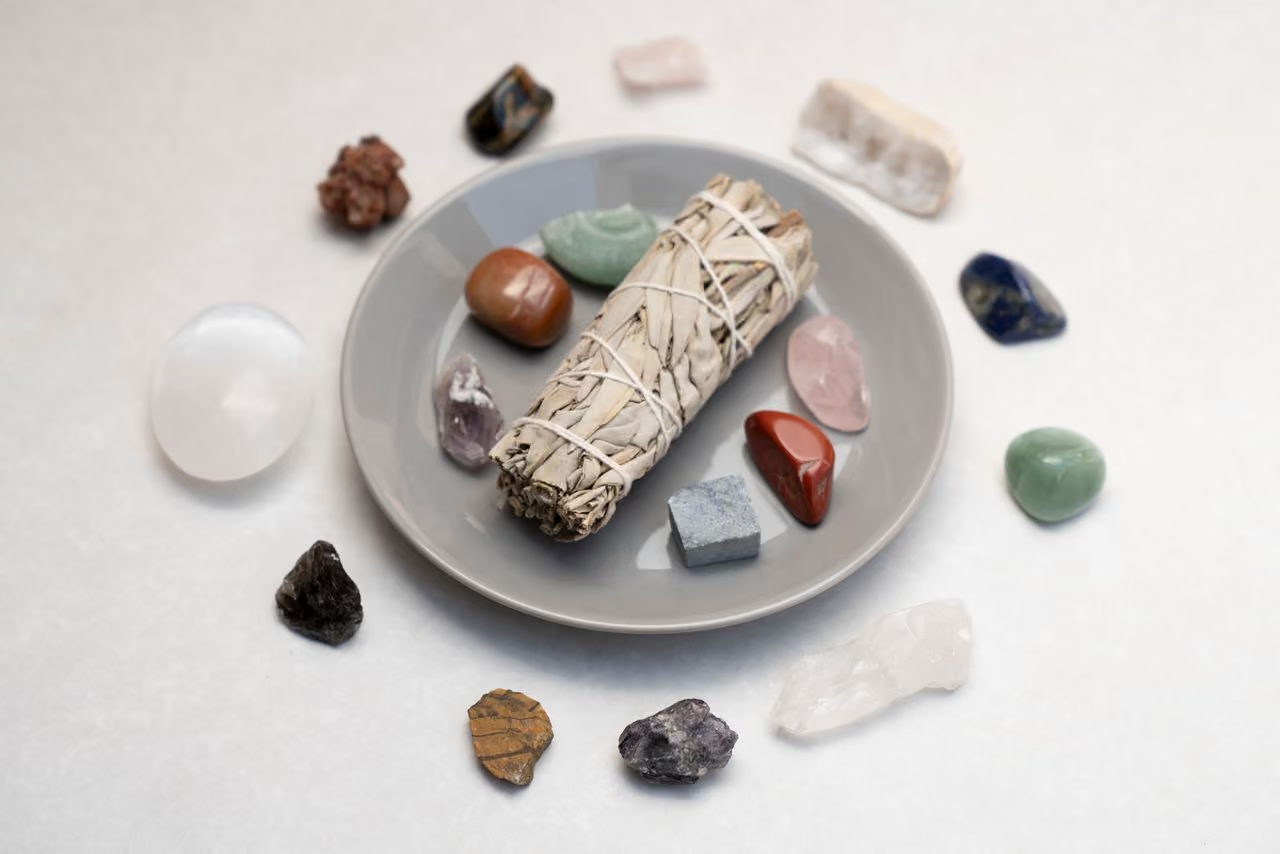
Pass the object through the smoke with the intention to clear and reset it. Move slowly — let the smoke make real contact with the object’s surface. For crystals, this is one of the most universally safe cleansing methods since it doesn’t involve water (which damages softer stones like selenite) or sunlight (which fades some stones like amethyst and rose quartz).
A single pass through smoke with a clear intention is sufficient for most routine maintenance. After particularly intense use — for healing work, during a difficult emotional period, or after any session that felt heavy — take your time and be thorough.
There’s no prescribed schedule — let the felt quality of your space and your own intuition guide the timing. That said, some natural moments to smudge:
Weekly maintenance smudging — a light pass through the main living areas with palo santo — is a gentle way to keep the energetic quality of your space consistent without the full ritual of a deep clearing.
Don’t forget to follow Kellee for the latest news and music:
add soundcloud, IG





Sign up to get our latest news and stay connected.
Thank you! Your submission has been received!
Oops! Something went wrong while submitting the form


.avif)

.avif)
