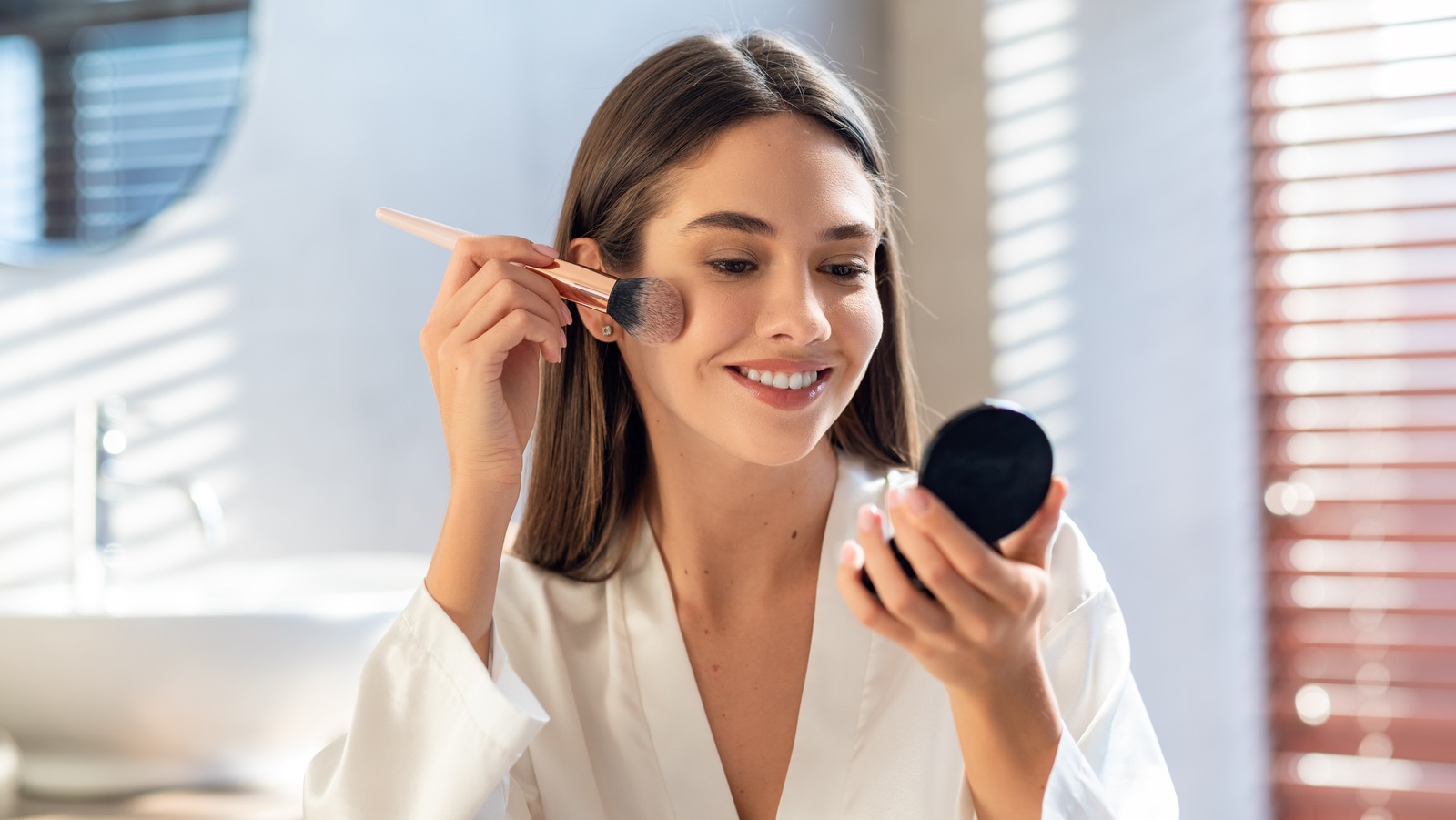
Main image courtesy of The List.
Perhaps this scenario sounds familiar: you’re standing in your bathroom, flipping over a moisturizer you’ve used for years, and you realize you can’t pronounce half the ingredients on the label. You’re not alone. According to the Environmental Working Group, the average woman uses about 12 personal care products every day, exposing her skin to roughly 168 different ingredients.
That growing awareness has helped push clean beauty from a niche movement into the mainstream. Today, you’ll find “clean” sections at Sephora, Target, pharmacies, and other specialty retailers. But as more brands adopt the label, it’s become harder to tell which ones truly live up to it.
Thankfully we’re going to discuss all that and more, including:
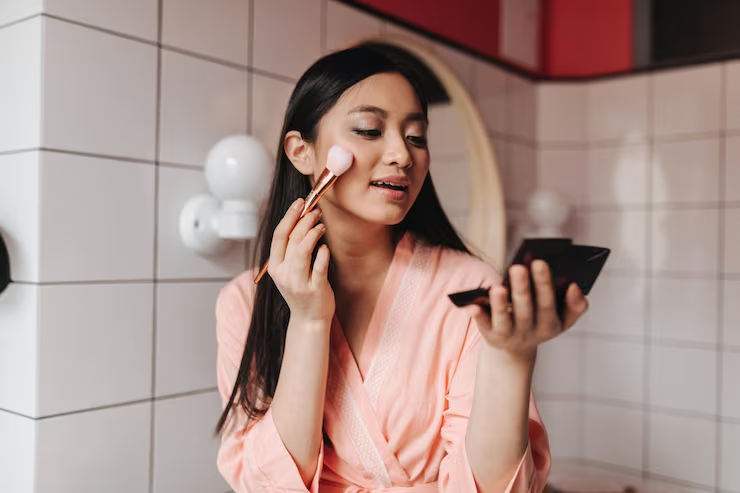
At its core, clean beauty refers to products made without ingredients that have been linked to potential health or environmental concerns. Just as important being open and transparent: clean brands typically share full ingredient lists and explain why they formulate the way they do, ensuring customers know exactly what’s in the product before purchasing or putting on their skin. In other words, clean beauty is defined as much by what’s left out as by what’s put in.
There’s a catch, though. In the U.S., “clean” isn’t a regulated term. The FDA doesn’t define it, which means every brand and retailer sets its own standards. That said, most clean brands avoid a common set of ingredients, including parabens, phthalates, synthetic fragrance, formaldehyde-releasing preservatives, harsh sulfates, and oxybenzone. Fragrance deserves special mention: a single word on the label can hide dozens of undisclosed chemicals, and it’s one of the most common causes of skin reactions.
It also helps to know how clean differs from similar labels. “Natural” means ingredients come from nature, but it’s unregulated. “Organic” only carries real weight when backed by a certification like USDA Organic. “Vegan” means no animal-derived ingredients, while “cruelty-free” means no animal testing, best verified by the Leaping Bunny logo. A product can be one of these without being the others.
Retailers have stepped in to fill the regulatory gap. Programs like Clean at Sephora and Credo’s Clean Standard publish lists of ingredients that the brands they carry must leave out, with Credo’s widely considered among the strictest.
Finally, a dose of perspective. Natural doesn’t automatically mean safe, and synthetic doesn’t automatically mean harmful. There are lots of lab-made ingredients that are gentle and well researched, but some essential oils can irritate sensitive skin. The goal of clean beauty is about transparency for ingredients so you can make informed choices about what you put on your body.
So why does any of this matter? The answer comes down to three things: your health, your right to know, and the planet.
For more than 80 years, U.S. cosmetics were governed by a law passed in 1938. While the European Union bans or restricts all kinds of substances in cosmetics, the U.S. has historically restricted only a few. With what we know about cutting costs and using toxic ingredients, that difference is something to be concerned about. Thankfully that began to change with the Modernization of Cosmetics Regulation Act of 2022, which gave the FDA power to order recalls and requires companies to report serious adverse reactions. It’s real progress, but the law doesn’t ban specific ingredients or define “clean,” so much of the burden still falls on brands and shoppers.
Then there’s cumulative exposure. One product might contain only a trace of a questionable ingredient, but most of us use about a dozen products a day, every day, for years. Scientists are still studying how much that adds up, which is exactly why many people prefer to err on the side of caution.
Companies aren’t often as transparent as we’d like to think as well. Thanks to trade-secret protections, a single word like “fragrance” can stand in for dozens of undisclosed chemicals. Clean brands tend to disclose more, giving you the information you need to decide for yourself.
Finally, beauty has an environmental footprint. Sunscreen ingredients like oxybenzone have been linked to coral reef damage, prompting Hawaii to ban them in 2021. The industry also generates mountains of hard-to-recycle packaging. Many clean brands respond with refillable containers, glass and aluminum packaging, and responsibly sourced ingredients, including ethically mined mica.
Clean beauty, in short, is about more than skincare. It’s about making choices that reflect what you value.
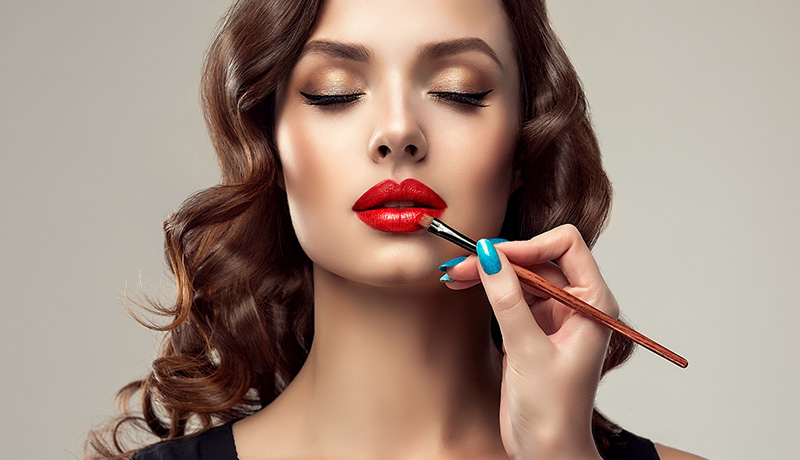
Beyond the bigger picture, switching to clean beauty can make a real difference in your daily routine. It won’t transform your skin overnight, but the benefits add up.
Thankfully, we’ve seen an uptick in clean beauty brands that are focused on creating products that are actually good for skin. Oftentimes these brands are also cruelty-free, organic, or vegan, but make sure you double check. We’ve done the research so you don’t have to—start here if you’re looking to revamp your beauty routine.
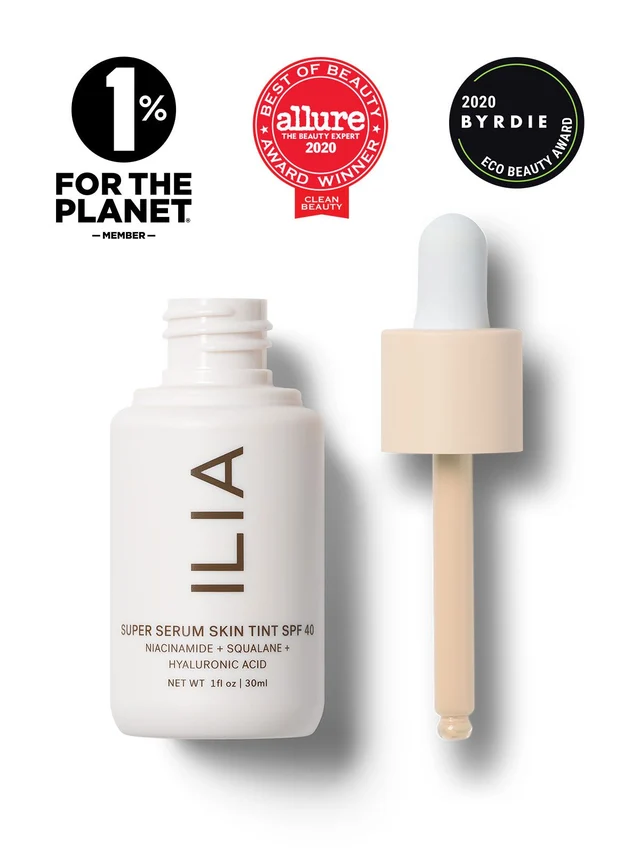
ILIA built its reputation on makeup that doubles as skincare, and its Super Serum Skin Tint is the brand’s star. This weightless formula merges skincare, makeup, and sun protection into one step, offering SPF 40 coverage with non-nano zinc oxide. It’s made with hyaluronic acids, plant-based squalane, and niacinamide, and it’s free of silicone, fragrance, and chemical sunscreen filters. At around $48, it’s ideal for anyone who wants a dewy, natural look with sun protection built in. This skin tint serum is good for all skin types, including sensitive skin, and mature skin, thanks to its ultra-hydrating formula.
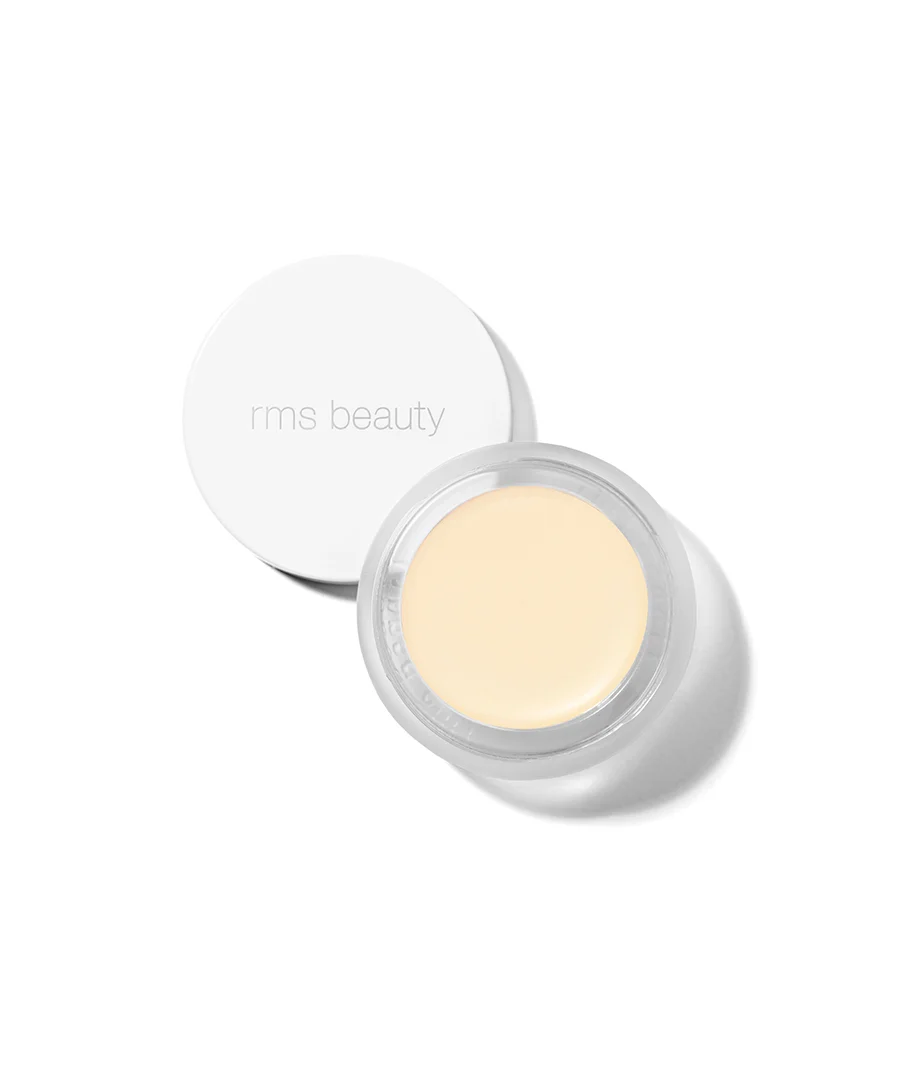
Founded by makeup artist Rose-Marie Swift, RMS Beauty was one of the earliest clean makeup brands. Its “Un” Cover-Up is a creamy concealer and foundation in one, made with a coconut oil base that nourishes as it covers. A little goes a long way, making it a great pick for minimalists who want their skin to look like skin. This is priced at a reasonable $42, and it is perfect for all skin types because it brightens, conceals, and moisturizes at the same time.
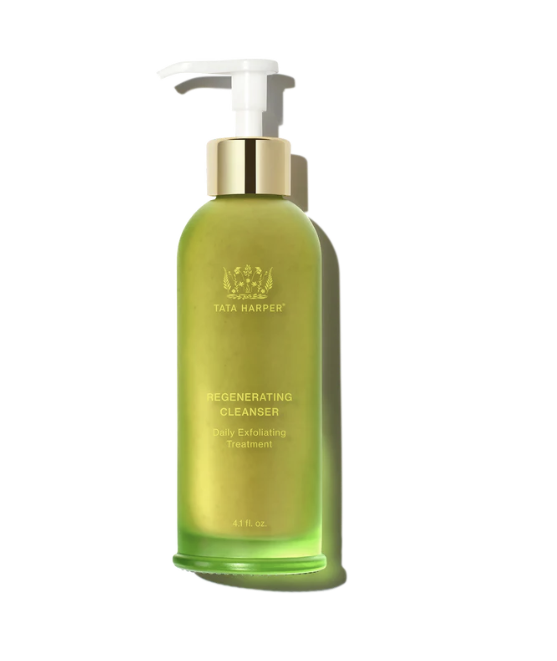
Tata Harper makes luxury skincare on her farm in Vermont, using botanical ingredients and a farm-to-face approach. The Regenerating Cleanser gently exfoliates while it cleanses, leaving skin brighter and smoother. The regular size bottle is priced at $88, but reviewers consistently say that it’s worth it. It’s a splurge, but it turns a basic step into a spa-worthy ritual.
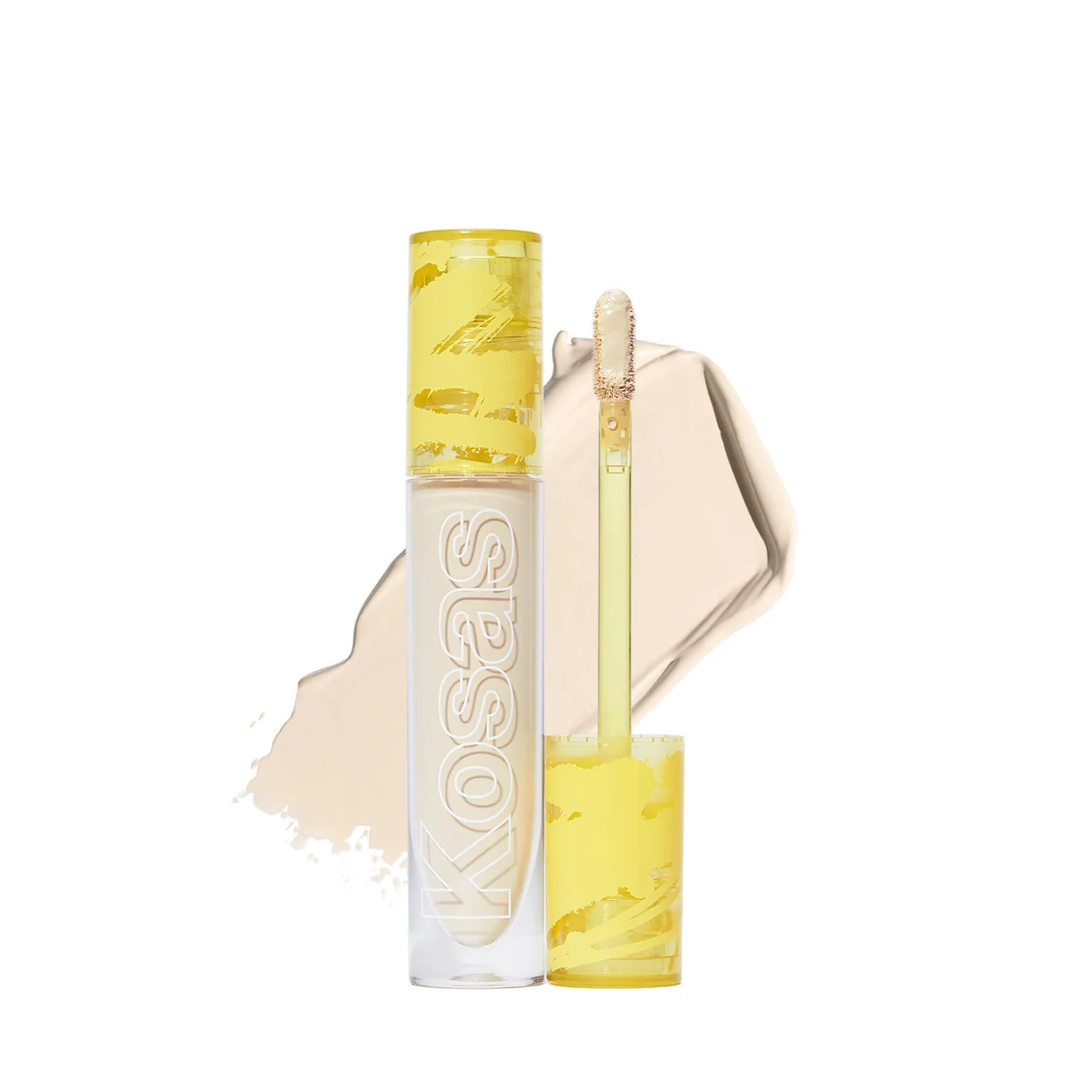
Kosas proves that clean makeup can be high-performance. Its Revealer Concealer offers creamy, crease-resistant coverage with skin-loving ingredients like caffeine, arnica, peptides, and hyaluronic acid. It’s perfect for brightening tired under-eyes without the cakey look. Pair it with the Cloud Set Setting Powder and a setting spray, and your makeup is going to look great all day long!
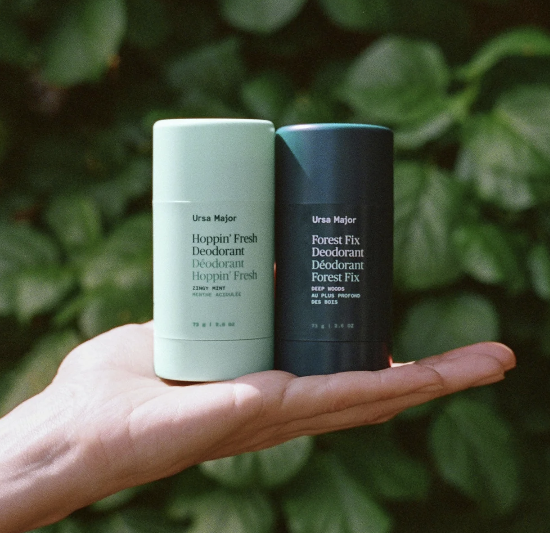
This Vermont-based brand makes clean skincare and grooming products with universal appeal. Its aluminum-free Hoppin’ Fresh Deodorant has a crisp, natural scent and is one of the easiest first swaps for anyone new to clean beauty. This $17 deodorant is also free of baking soda, and features probiotic enzymes as well as eucalyptus and mint scents.
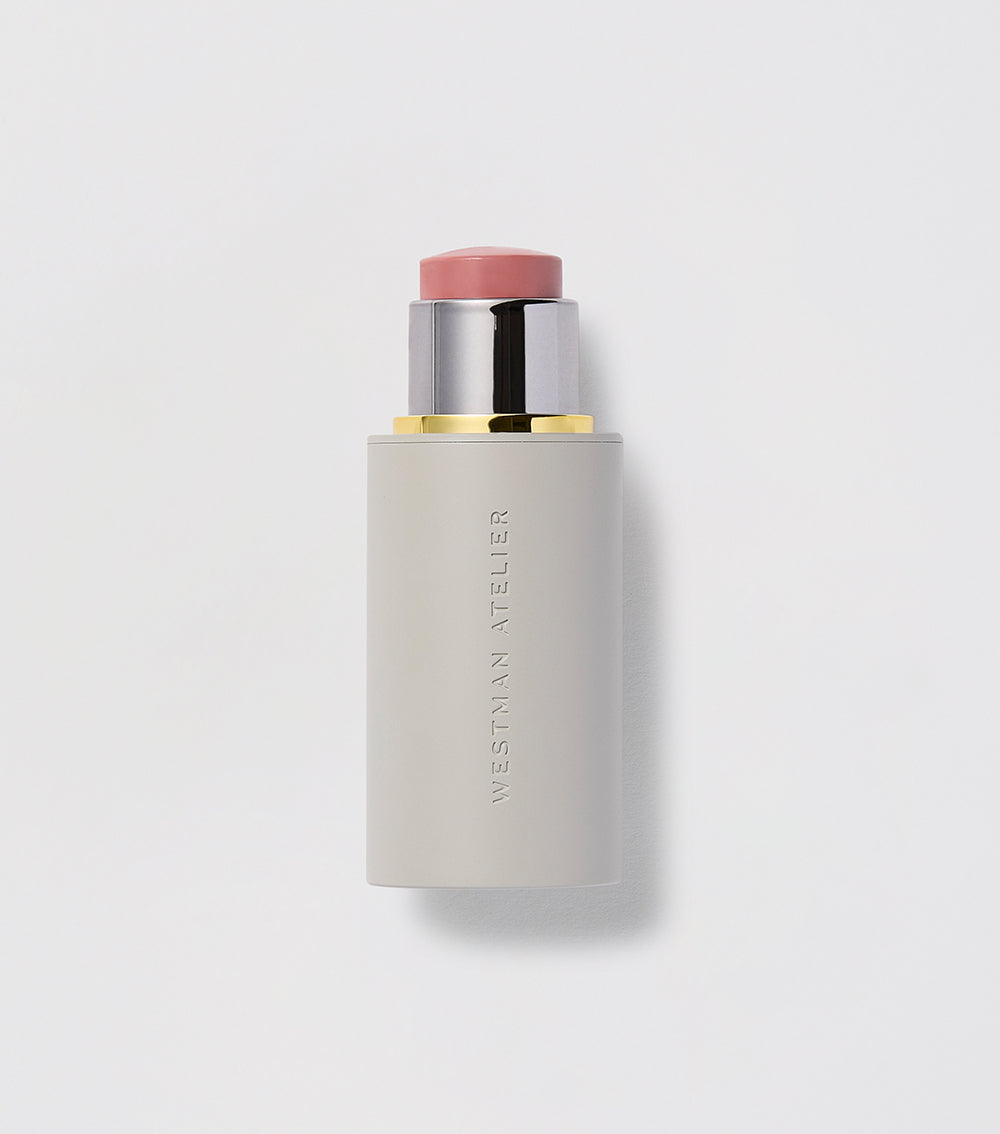
Created by celebrity makeup artist Gucci Westman, Westman Atelier brings luxury to clean makeup. Its Baby Cheeks Blush Stick melts into skin for a soft, natural flush. Sleek packaging and a buildable formula make it worth the splurge. This cream blush is priced at $48.
Switching to clean beauty doesn’t have to mean overhauling your entire routine overnight—can you imagine the upfront cost! At its heart, swapping products for cleaner ones is about understanding what goes into your products and choosing ones that align with your health, your values, and the planet. And with brands like ILIA, Kosas, and Tata Harper proving that clean formulas can perform just as well as conventional ones, there’s never been a better time to start.
Remember, it’s progress, not perfection. Begin with one simple swap, like your moisturizer or deodorant, and build from there.
Don’t forget to follow Kellee for the latest news and music:
add soundcloud, IG





Sign up to get our latest news and stay connected.
Thank you! Your submission has been received!
Oops! Something went wrong while submitting the form