.avif)
Hair care is where a lot of people start their clean beauty journey — and where a lot of brands do their most aggressive greenwashing.
The shampoo aisle is full of products marketed with green packaging, botanical imagery, and words like "pure," "gentle," and "natural" that don't actually commit to anything about the formulation. Meanwhile the ingredient list tells a different story: sulfates, synthetic fragrance, parabens, and formaldehyde-releasing preservatives sitting alongside the plant extracts the front label is advertising.
The good news is that genuinely clean shampoos have improved enormously in the past several years — in both formula performance and availability. You no longer have to sacrifice clean hair for a clean conscience, and you don't have to spend a fortune to find products that actually work.
This guide covers what to avoid, what to look for, the transition period reality nobody warns you about, and the best clean shampoos across different hair types and needs.
The full context on why these ingredients are flagged is in the clean beauty hub piece — here's the practical application specifically to shampoo and hair care.
Sodium lauryl sulfate (SLS) and sodium laureth sulfate (SLES) are the most common conventional shampoo surfactants. They create the heavy lather that conventional shampoo is known for, but they're harsh — they strip not just dirt and product buildup but the scalp's natural protective oils, disrupt the scalp microbiome, and can aggravate sensitive scalps and conditions like seborrheic dermatitis. SLES is milder than SLS but still flagged by clean beauty standards.
Parabens (methylparaben, propylparaben, butylparaben) are preservatives with endocrine-disrupting properties. They keep shampoo shelf-stable for years but at a cost that cleaner preservation alternatives don't carry.
Synthetic fragrance — listed as "fragrance" or "parfum" — can represent hundreds of undisclosed chemicals including phthalates. Shampoo fragrance is rinsed off but the scalp absorbs more than many people realize, and synthetic fragrance is one of the leading causes of contact dermatitis on the scalp.
Formaldehyde-releasing preservatives (DMDM hydantoin, quaternium-15, diazolidinyl urea) slowly release formaldehyde in the bottle over the product's shelf life. Formaldehyde is a known carcinogen. These preservatives are common in shampoos and conditioners specifically because the water-heavy formulations are prone to bacterial contamination and need aggressive preservation.
Silicones (dimethicone, cyclopentasiloxane, and ingredients ending in -cone or -siloxane) are not a health concern in the same category as the above, but they create a coating on the hair shaft that builds up over time, weighing hair down and preventing moisture from penetrating. They're excluded from many clean formulations for performance reasons as much as safety ones.
Dry shampoo aerosols warrant a special mention: benzene, a known carcinogen, was found in multiple aerosol dry shampoo products in recent years and led to significant product recalls. If you use dry shampoo regularly, switching to a powder-based non-aerosol format is one of the highest-impact clean swaps you can make.
Clean shampoos replace conventional surfactants and preservatives with alternatives that clean effectively without the concerning profiles.
Gentle surfactants to look for: cocamidopropyl betaine (derived from coconut oil, amphoteric — meaning it's gentle on both skin and hair), sodium cocoyl isethionate (very mild, used in sensitive skin and baby formulas), decyl glucoside and coco glucoside (plant-derived, biodegradable, gentle). These clean without the stripping effect of sulfates.
Cleaner preservation: phenoxyethanol (widely used, considered safe at recommended concentrations), sodium benzoate, potassium sorbate, and rosemary extract are all alternatives to parabens and formaldehyde-releasers.
Natural conditioning agents: aloe vera, panthenol (provitamin B5), glycerin, and plant oils like argan, jojoba, and coconut provide conditioning without synthetic silicone buildup.
Fragrance transparency: look for products that either list essential oils by name, use no fragrance, or fully disclose their fragrance ingredients rather than hiding them under "fragrance" or "parfum."
If you're switching from a conventional sulfate-heavy shampoo to a clean alternative, expect a transition period of one to three weeks where your hair may feel different than you're used to.
Conventional shampoos strip natural scalp oils so aggressively that the scalp compensates by producing more oil — which is why many people feel they need to wash their hair daily or every other day. When you switch to a gentler clean shampoo, the scalp continues producing oil at the elevated compensatory rate for a few weeks before it regulates. During this period hair can feel greasier faster than usual. This is normal and temporary.
Silicone buildup from previous products can also create an initial adjustment period — without sulfates stripping everything away, built-up silicones may make hair feel heavy or coated for the first few washes. A single clarifying wash with an apple cider vinegar rinse or a clean clarifying shampoo before switching can help reset the hair shaft.
The adjustment is worth it. Most people find that after a few weeks, their scalp produces less oil, their hair feels healthier, and they can go longer between washes than they could with conventional shampoo.
A note before the list: clean beauty product availability and formulations change. Always check the current ingredient list before purchasing — brands reformulate, and a product that was clean when this was written may not be by the time you're reading it. The EWG Skin Deep database is the most reliable place to verify a current formulation's safety rating.
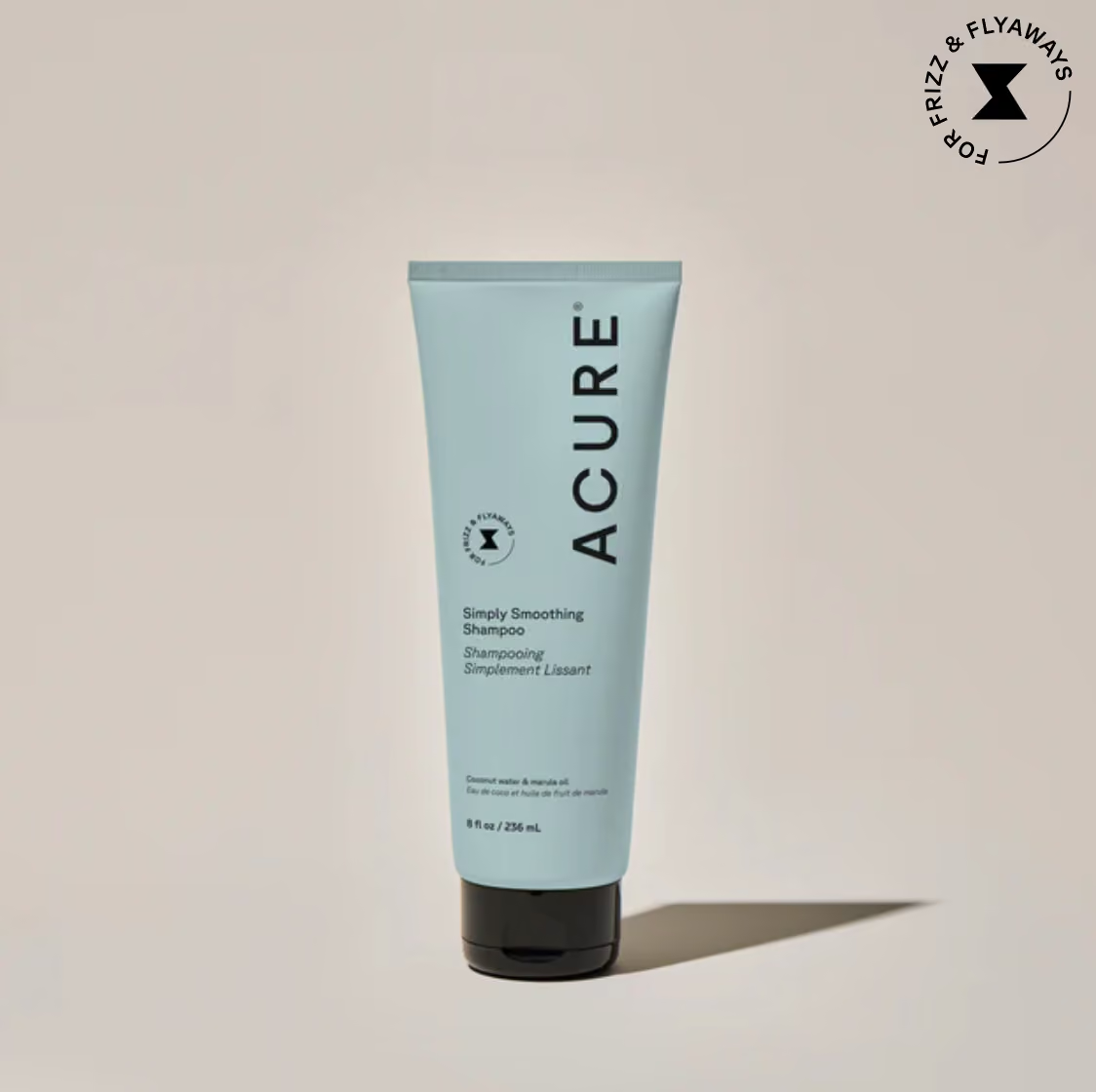
Acure Seriously Soothing Shampoo — one of the most accessible clean shampoos at a drugstore price point. No sulfates, parabens, or synthetic fragrance. Uses argan oil and pumpkin seed oil for conditioning. Widely available at Target and Whole Foods.
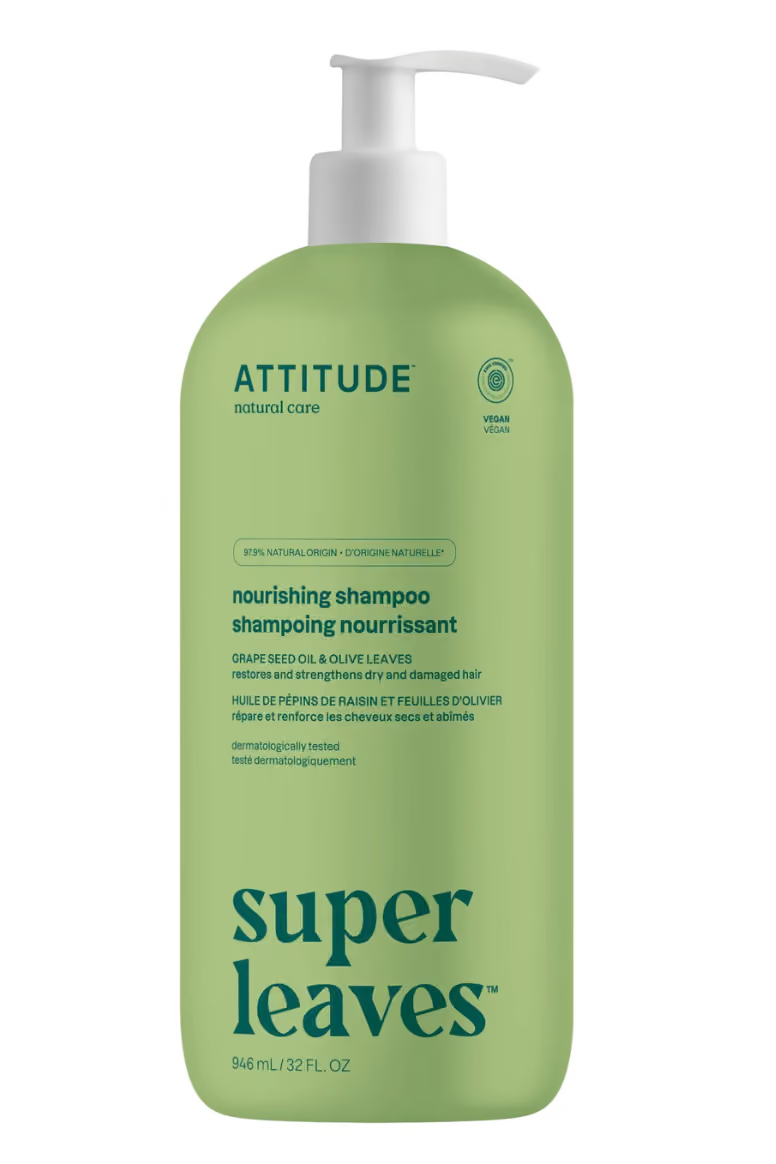
Attitude Super Leaves Shampoo — EWG Verified, which is the most rigorous clean beauty certification available. Plant-based surfactants, no synthetic fragrance, fully transparent ingredient list. Good for sensitive scalps.
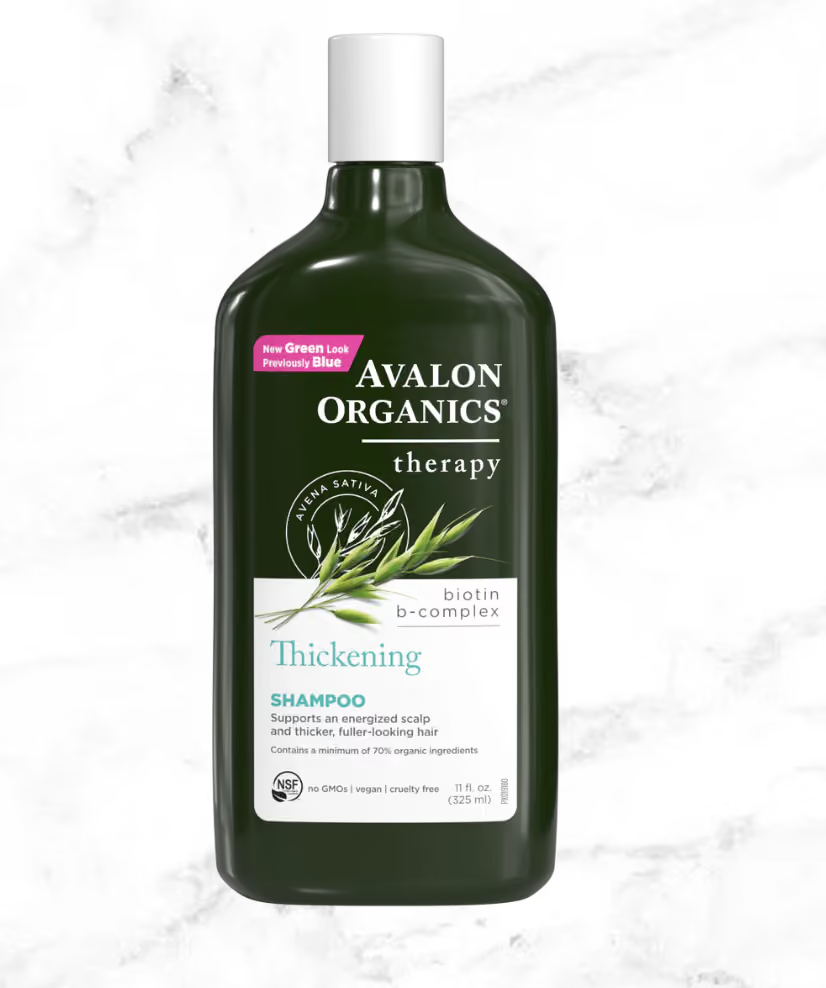
Avalon Organics Biotin B-Complex Shampoo — longer track record in clean beauty, widely available. Sulfate-free, paraben-free, synthetic fragrance-free. The biotin formula is popular for hair growth and thickness.
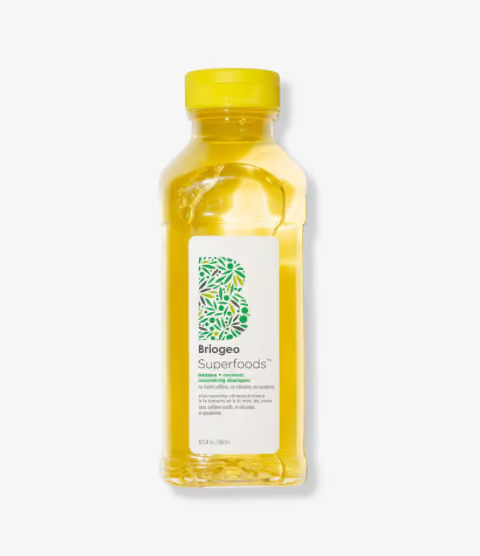
Briogeo Be Gentle Be Kind Banana + Coconut Nourishing Shampoo — a clean formula with excellent moisture retention. No sulfates, silicones, parabens, or synthetic fragrance. Works well for color-treated and chemically processed hair.
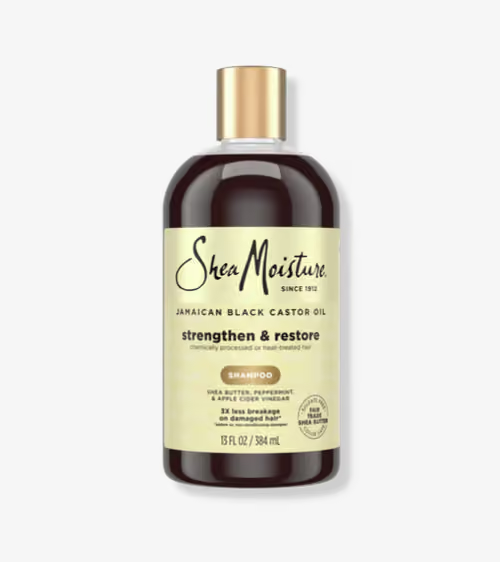
SheaMoisture Jamaican Black Castor Oil Shampoo — formulated for dry and damaged hair with a focus on moisture retention. Free of sulfates, parabens, and mineral oil. Widely available and well-priced for the quality.
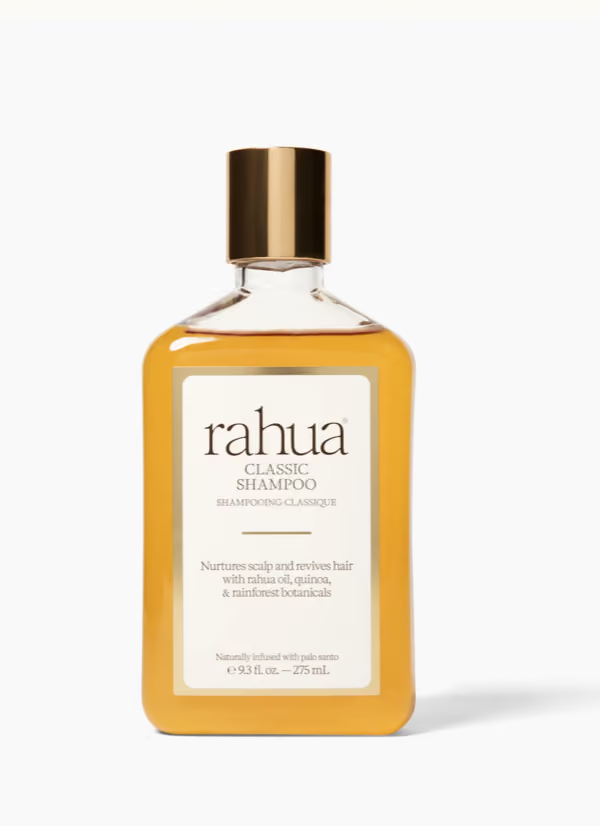
Rahua Classic Shampoo — a clean formula that works particularly well for oily scalps without the stripping of sulfates. Plant-based ingredients, EWG-verified, no synthetic fragrance. Higher price point but concentrated — a little goes a long way.
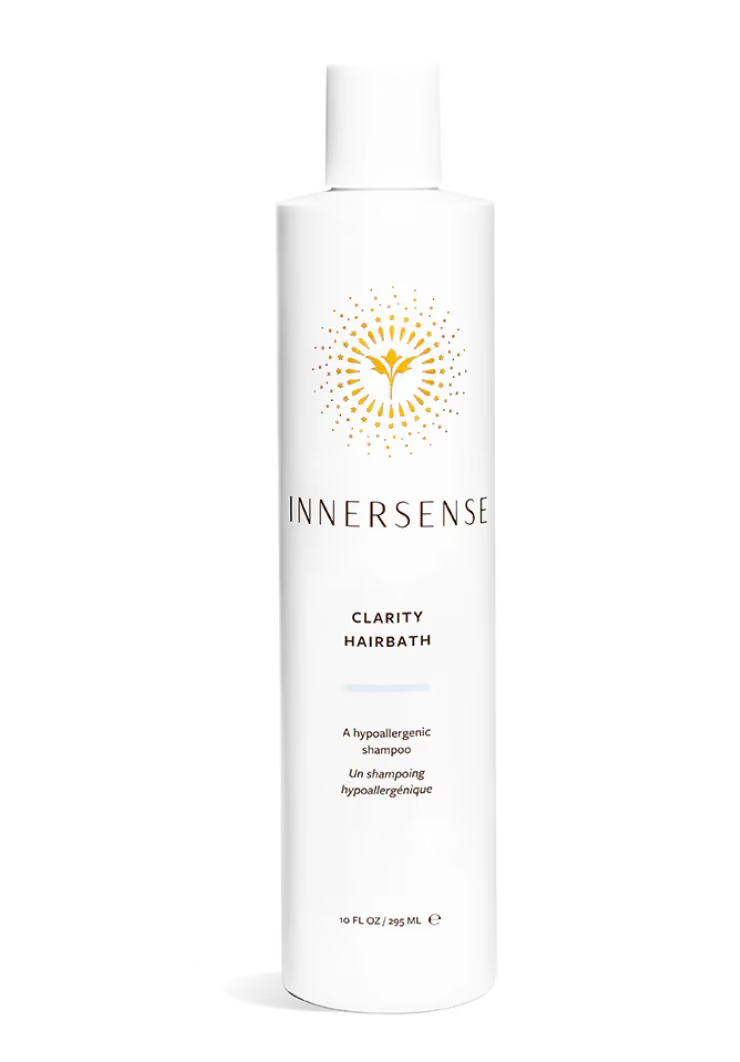
Innersense Organic Beauty Pure Harmony Hairbath — USDA certified organic ingredients, EWG Verified. Gentle enough for daily use, effective enough for oily scalp concerns. Good for fine hair that needs volume without heaviness.
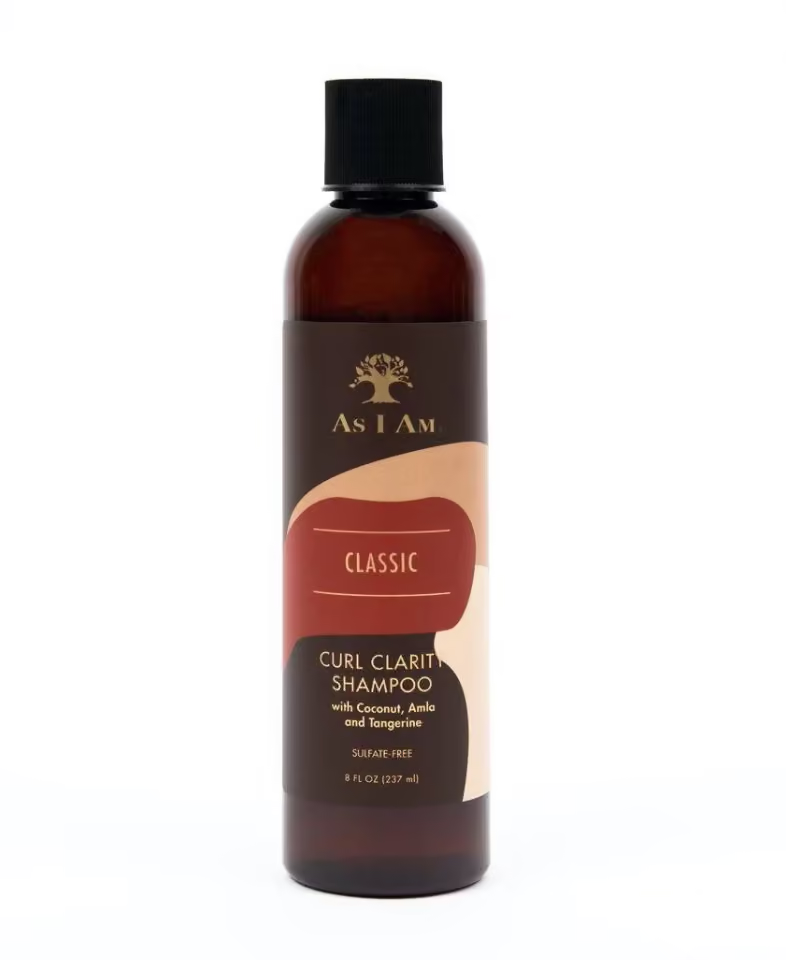
As I Am Curl Clarity Shampoo — formulated specifically for curly hair with a clean ingredient list. No sulfates, parabens, or silicones. Uses plant-derived surfactants that clean without disrupting curl pattern.
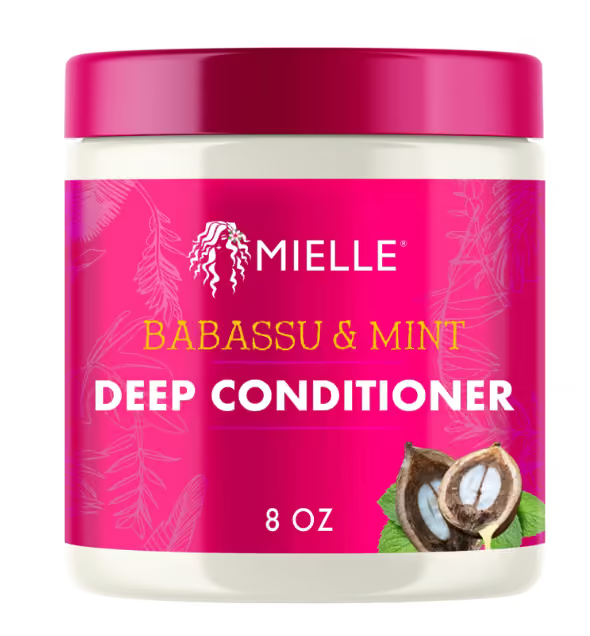
Mielle Organics Babassu Oil & Mint Deep Conditioner (used as a co-wash) — the co-washing approach — using a conditioner rather than shampoo to cleanse — is popular in the curly hair community and can work well with clean products. Mielle's formulas are widely used and reasonably clean.
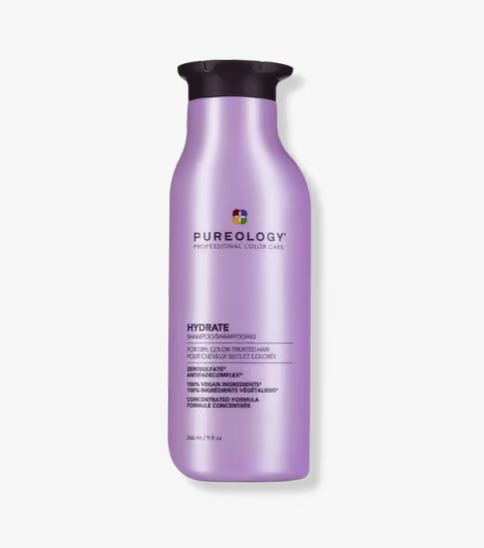
Pureology Hydrate Shampoo — one of the more established clean options for color-treated hair at a professional price point. No sulfates, parabens, or mineral oil. Concentrated formula.
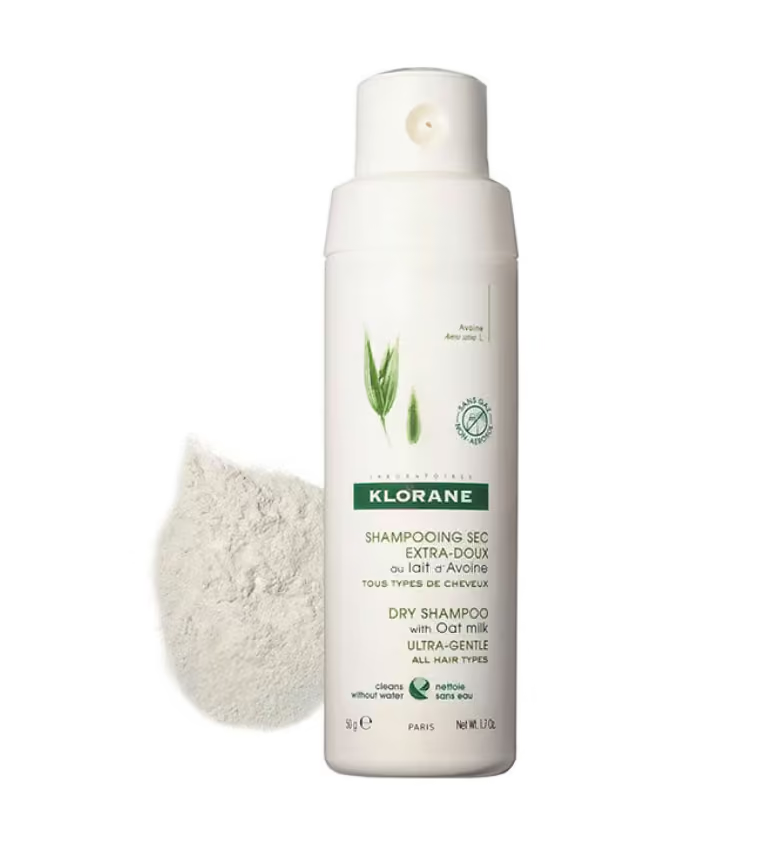
Klorane Dry Shampoo with Oat Milk — non-aerosol option with a clean formulation. Oat-based absorbent, no synthetic fragrance, gentle enough for sensitive scalps.
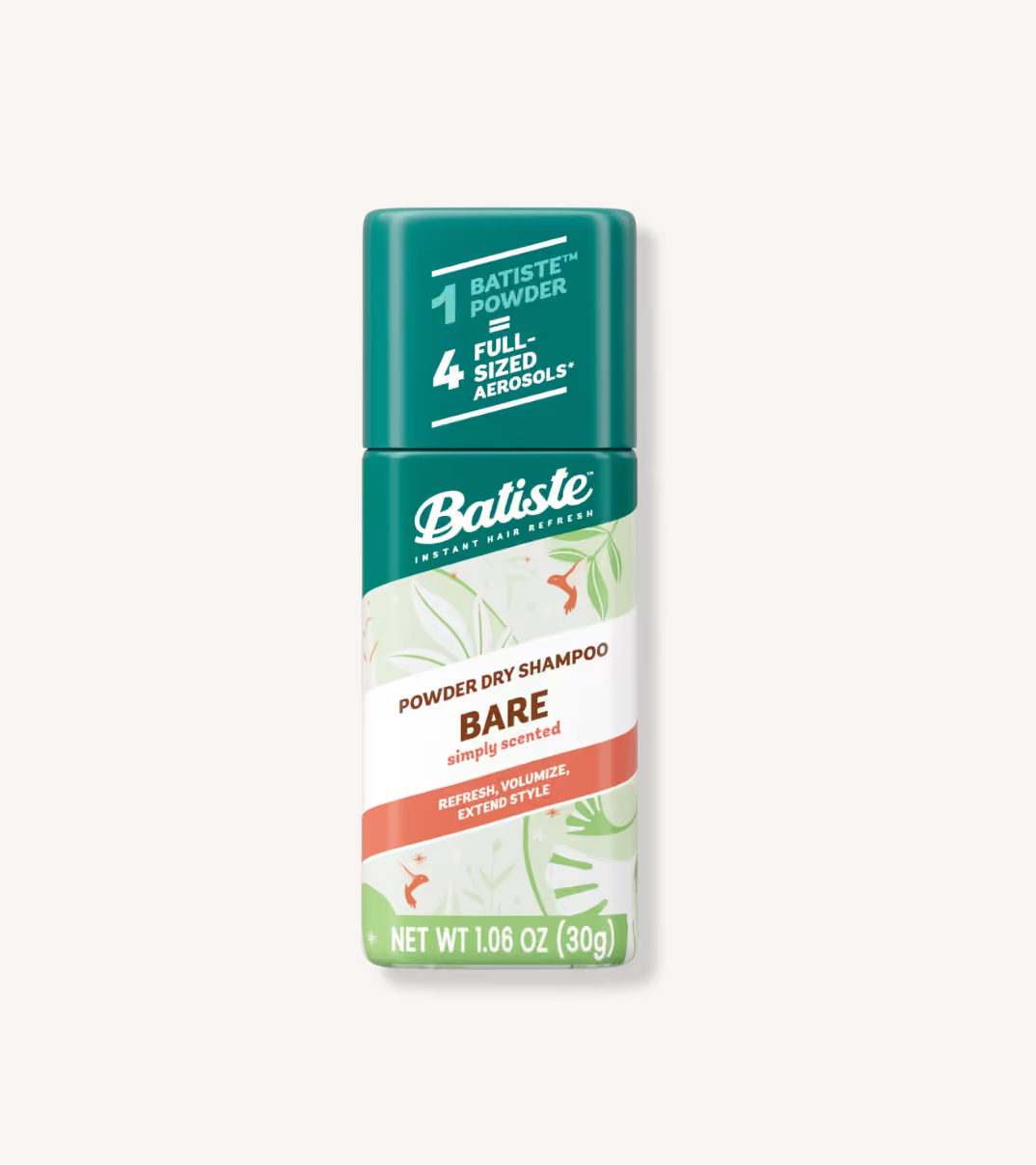
Batiste Natural dry shampoo — more accessible price point, cleaner formulation than conventional aerosol dry shampoos. Check current EWG rating before purchasing as formulations vary by variant.
DIY option: arrowroot powder or rice flour applied with a makeup brush is a genuinely effective and completely clean dry shampoo for lighter hair colors. Add a small amount of cocoa powder to the mix for darker hair.
Clean shampoo tends to cost more than conventional drugstore options. A few ways to manage that:
Most clean shampoos are more concentrated than conventional ones — you need less per wash. The per-use cost is often closer to the price difference suggests.
Drugstore clean options have improved significantly. Acure and SheaMoisture are available at Target and Walmart at accessible price points and have genuine clean credentials.
Buying in larger sizes when a formula works for you reduces the per-ounce cost substantially.
Prioritizing your scalp-contact products — shampoo, conditioner, scalp treatments — over styling products makes sense from an exposure perspective. Leave-in products that stay on the scalp matter more than rinse-off ones.
Don’t forget to follow Kellee for the latest news and music:
add soundcloud, IG





Sign up to get our latest news and stay connected.
Thank you! Your submission has been received!
Oops! Something went wrong while submitting the form

.avif)