
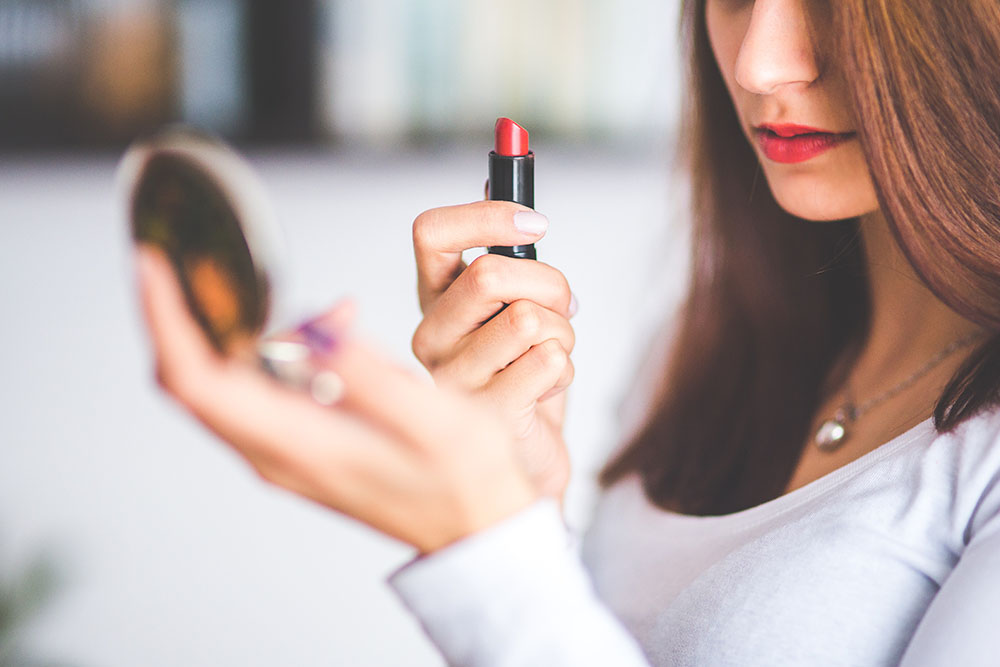
Walk down any makeup aisle and you'll see a wall of promises: long-wear, full coverage, waterproof, flawless finish. What you won't see is a clear picture of what's actually in the formula. Many conventional makeup products rely on synthetic fragrances, parabens, phthalates, and other additives that have raised concerns among dermatologists, toxicologists, and everyday consumers alike. That's where non-toxic makeup comes in — a growing category of cosmetics formulated without many of the ingredients linked to skin irritation, hormone disruption, and long-term health concerns.
The good news is that "non-toxic" no longer means settling for a chalky finish or a limited shade range. The category has matured into a genuine alternative to conventional cosmetics, with formulas that perform on par with — and in many cases outperform — the products lining department store shelves.
In this comprehensive guide we’re going to cover:
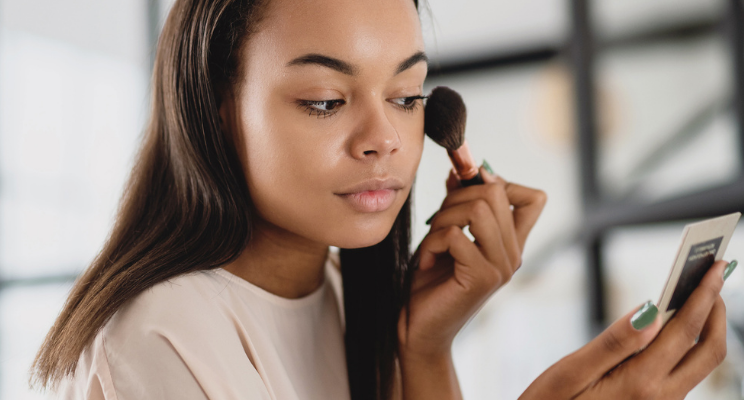
There are lots of reasons why you should give non-toxic makeup a try.
The average routine involves several products layered onto the skin every single day: primer, foundation, concealer, powder, blush, mascara, brow gel, lipstick. Each one is a delivery system for dozens of ingredients, and skin absorbs a portion of whatever touches it. Over years of daily use, that adds up to significant cumulative exposure — which is very different from the occasional exposure regulators often use as a baseline for "safe."
Lip products deserve a special mention here, since they're partially ingested rather than just absorbed through skin. Lipstick, gloss, and tinted balm sit directly on a mucous membrane and get reapplied throughout the day, meaning any heavy metals or synthetic dyes in the formula have a more direct path into the body than a product applied to the back of the hand ever would. That's one reason lip products are often the first swap people make when transitioning to a cleaner routine.
Non-toxic beauty isn't about fear-mongering over every unfamiliar-sounding ingredient name. It's about a specific, well-documented list of additives that keep showing up in safety research:
Beyond long-term health concerns, non-toxic formulas tend to be gentler day-to-day. Brands that are non-toxic often build products around skincare actives — hyaluronic acid, niacinamide, squalane, plant oils — rather than filling space with fillers and synthetic thickeners. That means makeup that can actually improve the look and feel of skin over time instead of just sitting on top of it, which matters even more for people with sensitive, reactive, or acne-prone skin.
Cosmetics regulation in the U.S. is notably light-touch compared to the EU, which bans or restricts over 1,300 ingredients compared to roughly 11 in the U.S. Much of that gap comes down to how the laws are written: in the U.S., cosmetics companies are largely responsible for determining the safety of their own products before they’re offered to the public, with the FDA stepping in only after a problem is reported. The EU flips that model, requiring safety assessments and ingredient documentation before a product can be sold at all.
Choosing non-toxic brands is also a vote for a market that self-regulates more strictly, funds ingredient transparency, and pushes conventional brands to reformulate. Every dollar spent with a clean beauty brand is a step closer to an industry standard most consumers assume already exists — and as clean beauty has grown from a niche category into a multi-billion-dollar segment of the market, that pressure has already started changing mainstream brands formulate and label their own products.
You don't have to memorize an ingredient glossary to shop smart. A few labels do a lot of the vetting for you:

None of these certifications aren’t the end all for each and every makeup brand, and a brand can absolutely be clean without carrying every seal — certification programs cost money and time that smaller, independent brands don't always have. But when a product does carry one or more of these labels, it's a reliable shortcut that saves you from having to research every ingredient yourself.
These are our top 7 options that offer customers a variety of products, without all the toxins that can go along with it.
ILIA has become the brand most often named "best overall" in clean beauty roundups, and it's easy to see why: the products perform like prestige, skincare-forward makeup while sticking to a strict list of excluded ingredients (no parabens, phthalates, or synthetic fragrance). ILIA blends skincare additives directly into color cosmetics, so makeup doubles as a treatment step rather than something you have to remember to layer skincare underneath.
Example product: The ILIA Super Serum Skin Tint SPF 40 is the brand's breakout hit — a lightweight, dewy tinted serum that combines buildable coverage with SPF 40 protection, plus squalane, niacinamide, and hyaluronic acid for hydration. It's become a staple "no-makeup makeup" product for people who want coverage without the feel of traditional foundation.
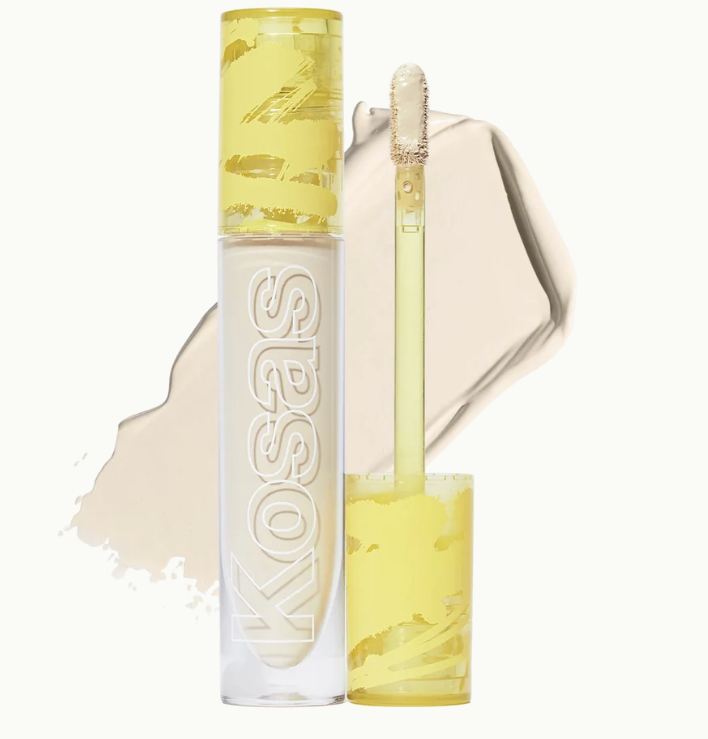
Kosas built its reputation on making clean beauty feel indulgent rather than restrictive. The formulas are vegan, cruelty-free, and free from the standard list of parabens and phthalates, but they're formulated to compete directly with luxury conventional brands on texture and staying power — not to feel like a compromise. The brand has also been vocal about publishing full ingredient breakdowns for each product, so shoppers don't have to guess what "clean" means for a given formula.
Example product: The Kosas Revealer Concealer is a cult favorite, prized for its creamy, buildable coverage that doesn't crease into fine lines. It includes caffeine and hyaluronic acid, so it brightens and hydrates the under-eye area rather than just masking it.
Founded by makeup artist Rose-Marie Swift after her own health scare linked to years of exposure to toxic makeup on set, RMS Beauty was one of the original clean beauty pioneers. The line is known for its raw, food-grade ingredients and minimalist formulas — many products contain fewer than ten ingredients total.
Example product: The RMS Beauty "Un" Cover-Up is a coconut-oil-based concealer designed to nourish skin while providing sheer, blendable coverage. It's a favorite for anyone wanting a natural, lit-from-within finish rather than a matte, full-coverage look.
Marketed as "The Skincare Makeup" since 1994, jane iredale was mineral makeup before mineral makeup was trendy. The brand is talc-free across its line and is frequently recommended by dermatologists for sensitive and post-procedure skin, since the mineral-based formulas are less likely to clog pores or irritate compromised skin barriers.
Example product: The jane iredale PureMatch Concealer is a liquid, skin-matching concealer designed to blend seamlessly with jane iredale's foundation shades for natural, buildable coverage without synthetic fillers.
Ere Perez takes "clean" to its most literal extreme, formulating with food-grade botanical ingredients — think rice, carrot, and quinoa — rather than lab-synthesized alternatives. The brand avoids synthetic fragrance, parabens, and petroleum derivatives across the board, and its multi-use products are popular for pared-down routines.
Example product: The Ere Perez Carrot Color Pot is a cream tint for lips and cheeks made with carrot extract and cacao butter. It's a one-product, multi-use pick that delivers a natural flush without any synthetic dye.
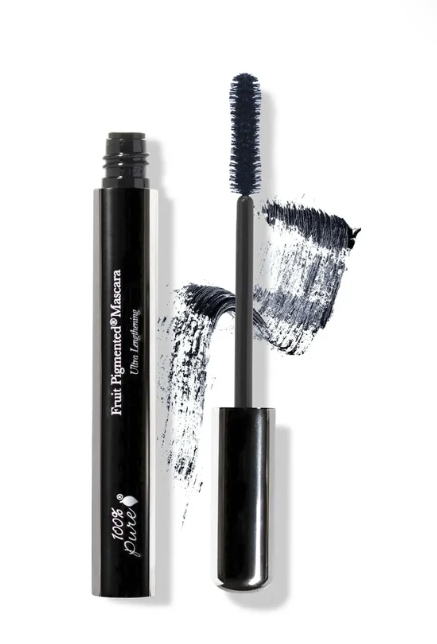
100% Pure has one of the more distinctive formulation approaches in the category: the brand pioneered the use of fruit-pigmented color, meaning many of its shades are derived from actual fruit and vegetable extracts rather than synthetic dyes. It's also a certified B Corp and partners with reforestation nonprofits, appealing to shoppers who care about sustainability as much as ingredient safety.
Example product: The brand's fruit-pigmented mascaras are a longtime bestseller, offering a clean alternative to conventional formulas at a price point that's accessible for a daily-use product — a rarity in a category where clean mascara is often the hardest (and most expensive) product to replace.
Axiology is best known for solving one of clean beauty's trickier problems: zero-waste, plastic-free packaging, without sacrificing performance. The brand's lip products are 100% biodegradable and refillable, and its formulas are vegan and cruelty-free across the board.
Example product: The Axiology Balmies are a multi-use lip-to-cheek balm packaged in a compostable paper tube — one of the few clean beauty products that addresses ingredient safety and packaging waste at the same time.
With so many strong options, the best approach is to match the brand to your priority:
Switching to non-toxic makeup doesn't mean giving up performance, and it doesn't require an all-or-nothing overhaul of your routine. Most people find it easiest to start with the products that stay on skin the longest — foundation, concealer, and lip products — since those carry the highest exposure over time. From there, brands like ILIA, Kosas, RMS Beauty, jane iredale, Ere Perez, 100% Pure, and Axiology all offer entry points that make the switch feel like an upgrade rather than a compromise.
If you're just getting started, resist the urge to replace your entire makeup bag overnight. Swap products as you run out of your current ones, starting with whatever sits on your skin the longest each day. Within a few months, you'll have a fully clean routine built one intentional purchase at a time.
Don’t forget to follow Kellee for the latest news and music:
add soundcloud, IG





Sign up to get our latest news and stay connected.
Thank you! Your submission has been received!
Oops! Something went wrong while submitting the form

.avif)
.avif)