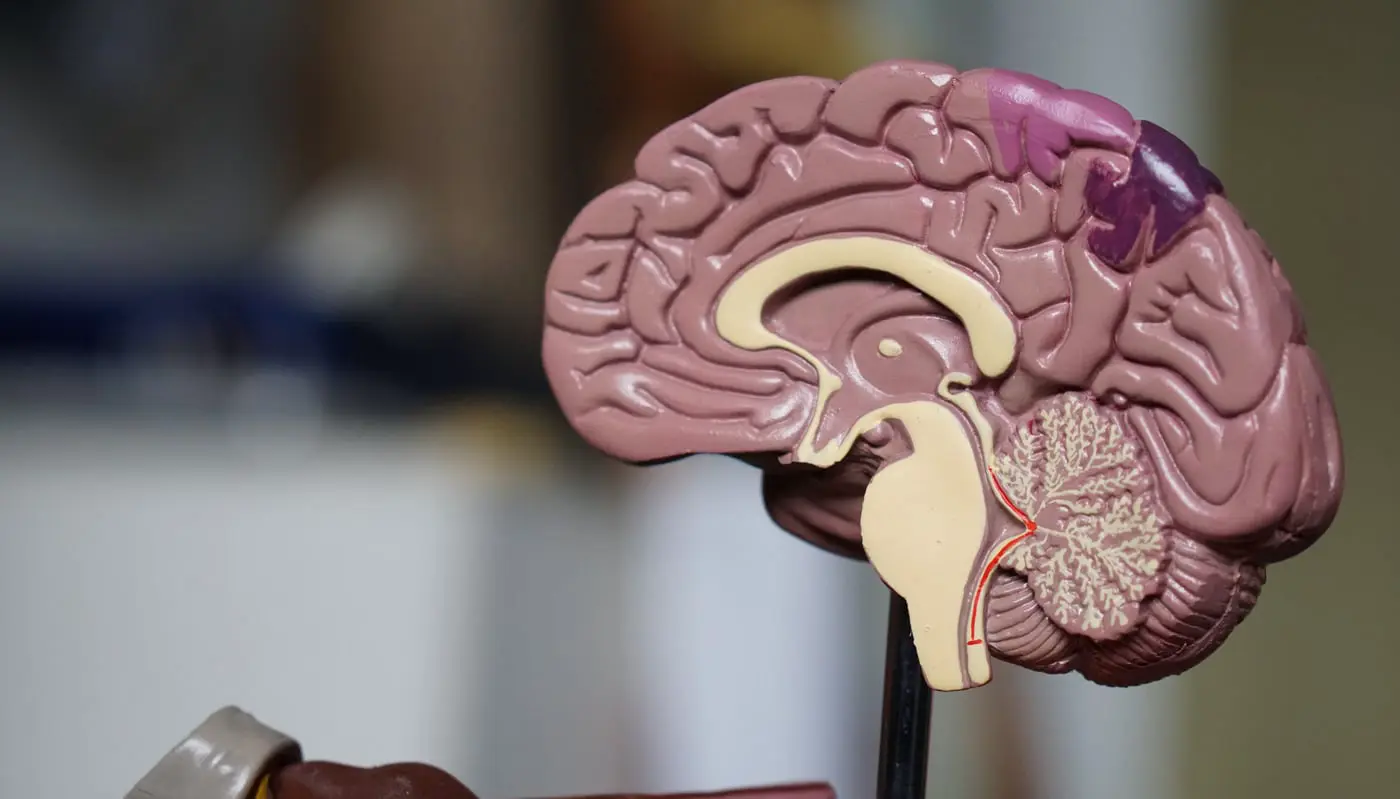
For decades, mental illness and physical injury were viewed as distinct medical issues. However, very recent studies uncover an even more profound relationship between them. The human body is not a collection of isolated systems, but rather an integrated network where thoughts, emotions and physical sensations continuously co-create the experience of being human. The lived experience of chronic pain, for example, has made the connection clear: mental health plays a huge role in how bad and how long symptoms last.
Chronic pain is generally considered to be pain that persists for longer than three months, often outliving the original cause of the disease. Millions of people suffer from conditions like back pain, migraines, fibromyalgia and arthritis. Most of these conditions have identifiable physical causes, but their continuing expression can be seen to be maintained by emotional and psychological factors. Gaining insight around this relationship is critical to better pain management and an improved quality of life.
Pain isn't just a feeling, it's a brain event: how pain is processed When the body experiences an injury or inflammation, signals are transmitted via the nervous system to the brain, where they are perceived as pain. But this process is always mediated by things like mood, stress and previous experiences.
Pain signals are amplified or decreased by the brain based on emotional states. High stress or anxiety, for example, can intensify how much we feel pain. On the contrary, relaxed, or happy people might find a lessening of pain. This variability underscores mental wellness as a catalyst for how pain is perceived.
One of the biggest factors behind your pain is stress. And when the body is stressed, it starts a chain reaction of hormones like cortisol or adrenaline to trigger some kind of "fight or flee" response in the body. Although this response is beneficial to you for a short time, unchecked stress can create muscle constriction, inflammation and increased pain sensitivity.
Anxiety further complicates this cycle. The nervousness over their pain flip them vigilant to bodily sensations, consequently making the ache look worse. It creates a vicious cycle of pain and anxiety: the anxiety leads to more increased pain in response. To end this cycle, we must consider the physical and emotional component of the condition.
Another prominent influence is depression which can have a profound impact on chronic pain. Many people who have long-term pain are sad, hopeless or exhausted. These emotional states can decrease tolerance to pain and amplify sensations of symptoms.
The relationship between pain and depression is bidirectional. Chronic pain can trigger depression as it disrupts normal daily life and mobility; conversely, the brain changes in depression may exacerbate the perception of noxiou suppaciempers mehat resonate ely. Focusing on mental health, therefore, is a key strategy in adequate pain management.
This is supported by emerging science linking mental wellness and chronic pain. Serotonin, dopamine and other neurotransmitters not only affect our mood but are also involved in pain perception. Disruption of these neurotransmitters can lead to hyperalgesia and emotional pain.
For instance, you may also experience a process called central sensitization which means that your nervous system gets sensitized through time. In this time, the mind and backbone cord turn out to be distinctly extra sensitive to ache alerts, notwithstanding a loss of important bodily damage. Psychological stress and trauma can also play a role in increasing sensitivity to these stimuli, making a psychosomatic treatment approach noteworthy.
Because of the interconnectedness between mental and physical health, integrative approaches are often needed for successful pain management. This involves relieving the physical symptoms of pain but also addressing emotional and psychological factors relating to it.
Methods like mindfulness, meditation, and cognitive behavioral therapy have demonstrated some effectiveness in decreasing pain severity and enhancing quality of life. These approaches have been used to re-train our response towards pain and prevent stress through harmful thoughts.
Exercise and manual therapies are also important physical treatments. When used with mental wellness tactics, it rounds out a more all-encompassing and beneficial treatment strategy. If you are in need of even more specific care, looking into Pain Management in Phoenix will help you see how integrative treatment is practiced on the ground.
Chronic pain has a vicious cycle between being hurt and having an emotional response. Pain is limiting in our daily lives which leads to frustration and isolation. These feelings, in turn, can exacerbate the experience of pain, forming a vicious cycle.
To be able to break this cycle, you need a shift in thinking. The aim is not to eliminate the pain, but to manage it so you can go on with a fulfilling and active life rather than your entire being being taken over by the experience of pain. This approach urges people to stay active, socialize, and pay attention to mental health.
Support systems, too, are essential. Having a support network of people to talk with — be it healthcare professionals, community groups, or just family and friends who hear you out — is essential in dealing with chronic pain.
Self-care methods, although useful, are rarely sufficient for chronic pain management without the help of a professional. Healthcare providers who understand the mind-body connection can develop personalized treatment plans addressing both physical and psychological factors.
This could be a mix of medications, treatment, and more healthy lifestyle tips. We want to build the medium-term sustainable, instead of temporary relief. And patients who partner well with their providers generally are more likely to get better results and live healthier, happier lives.
The treatment plan for chronic pain management is becoming more holistic as our understanding of the mind-body connection continues to grow. This change is a sign of the growing respect that has happened among clinical psychologists on the way that physical prosperity must be separated from mental wellbeing. Through changing both sides this makes for more permanent and lasting changes.
Where the field of pain management is heading in this multifaceted model. Ongoing research and improvement of treatment options is expected to raise the profile around mental well-being in governing chronic illness. That provides hope where other modalities focused only on physical symptoms.
Chronic pain poses a complicated interplay with mental wellbeing and an opportunity to deliver care that is both kinder and more effective. Understanding the interaction of emotions, thoughts and bodily sensations can empower a more active role in health.
You are not your chronic pain. However, with appropriate mental wellness approaches, physical treatments and professional backup the impact of depression can be diminished. The acceptance of the connection between mind and body is about more than medicine, it is a way to lead a better life.