Skincare has shifted. More people are moving away from complicated routines and looking for solutions that actually support how skin works. Red light panels are part of that shift.
What makes red light panels different is how simple they are to use. No layering and no constant switching between products. Just consistent sessions that fit into your routine without adding extra steps.
If you’ve been looking for a smarter way to upgrade your skincare without overcomplicating it, this is where it starts. This guide breaks down what red light panels actually do, how to use them, and what kind of results you can realistically expect.
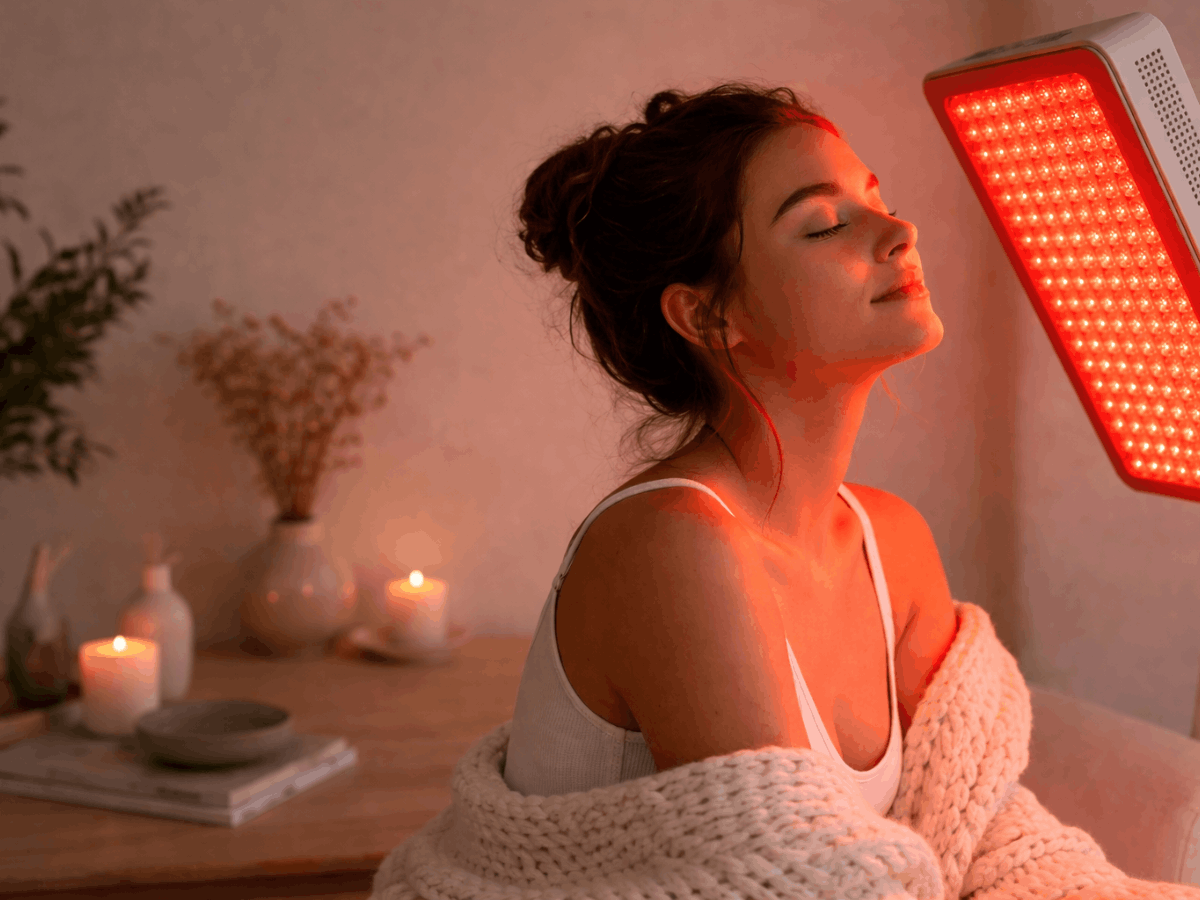
Red light panels are devices that use low-level red and near-infrared light to support the skin beneath the surface. Instead of working on the outer layer like most skincare products, they’re designed to reach deeper, where natural processes like repair and renewal happen.
Red light therapy panels use targeted wavelengths, typically in the 630 to 850 nm range, to support skin renewal and collagen production. Some studies have reported improvements in wrinkle appearance by over 30% with consistent use.
They’re commonly used as part of at-home routines and are built to treat larger areas in one session, such as the face or body.They’re commonly used as part of at-home routines and are built to treat larger areas in one session, such as the face or body. That makes them different from smaller tools like masks or handheld devices.
In simple terms, red light panels are a way to support your skin using light, not additional products. How they work, what they do, and what results to expect will depend on how you use them, which we’ll break down next.

Red light panels are not a quick fix, but they can support steady improvements in how your skin looks and feels. With consistent use, they’re often used to help address common concerns without adding more products into your routine.
Research shows a 15.6% to 38.3% reduction in crow’s feet wrinkle depth after 4 to 12 weeks of consistent use, which reflects how results build gradually over time. Red light is linked to collagen support, which plays a role in how firm and smooth the skin appears. Over time, this can help soften the look of fine lines and improve overall texture. Some people also explore similar LED light approaches for concerns like thinning hair and hair follicles, although results can vary and more research is still ongoing.
Clinical studies report that over 90% of users notice improvements in skin, including reduced acne, less inflammation, and smoother texture with consistent use. Red light has anti-inflammatory properties that may help reduce visible redness and support calmer-looking skin. For acne-prone skin, this can mean fewer flare-ups and less irritation over time. Unlike blue light, which targets acne-causing bacteria, red light focuses more on calming and recovery, making it a good complement to other red light masks or other devices.
Regular use can help improve how even the skin looks across different body parts, including areas prone to discoloration. It’s generally suitable for a wide range of skin types, including darker skin tones, since it doesn’t rely on harsh exfoliation or heat-based treatments that can trigger sensitivity.
Regular use can help improve how even the skin looks across different body parts, including areas prone to discoloration. It’s generally suitable for a wide range of skin types, including darker skin tones, since it doesn’t rely on harsh exfoliation or heat-based treatments that can trigger sensitivity.
It’s less about quick fixes and more about steady improvements you can actually maintain.

Red light panels can be a helpful addition, but they’re not for everyone. Knowing where they fit makes it easier to set the right expectations.
It works best for those willing to stay consistent and give their skin time to respond.
Using red light panels doesn’t require a full routine reset. It works best when it fits into what you’re already doing, not when it adds extra steps.
Make sure your skin is clean and dry before your session. This helps ensure light exposure from your red light therapy panels isn’t blocked by products and can reach the intended treatment area more effectively.
Morning or evening both work. Many people prefer evening since it’s easier to stay consistent and build it into a daily routine focused on overall wellness.
Most sessions with an LED red light panel or other light therapy devices last around 10 to 20 minutes. Aim for about 3 to 5 times per week. Consistency supports cellular energy and mitochondrial function, which are part of how red light therapy works over time.
After your session, continue with your regular routine. Red light treatment works alongside your products, helping support skin texture, elastin production, and overall skin health.
Always wear eye protection during sessions, especially with higher-powered red light therapy devices. Most at-home options are generally considered safe and low risk, but proper use matters. Results build gradually, so staying consistent is more important than increasing session time or frequency.
Simple, repeatable routines tend to work better than complicated ones.
Red light therapy works gradually. Results depend on consistency, skin type, and how your skin responds over time. Most changes happen in stages, not all at once.
Results build over time, which is why consistency matters more than expecting quick changes.
Red light panels aren’t a shortcut, and they’re not meant to replace everything in your routine. What they offer is a steady, low-effort way to support your skin over time.
If you’re looking for something simple, consistent, and easy to maintain, they can fit in without adding more complexity. The key is knowing what to expect and giving your skin time to respond.
For many, it’s less about dramatic changes and more about small, noticeable improvements that build and last.