
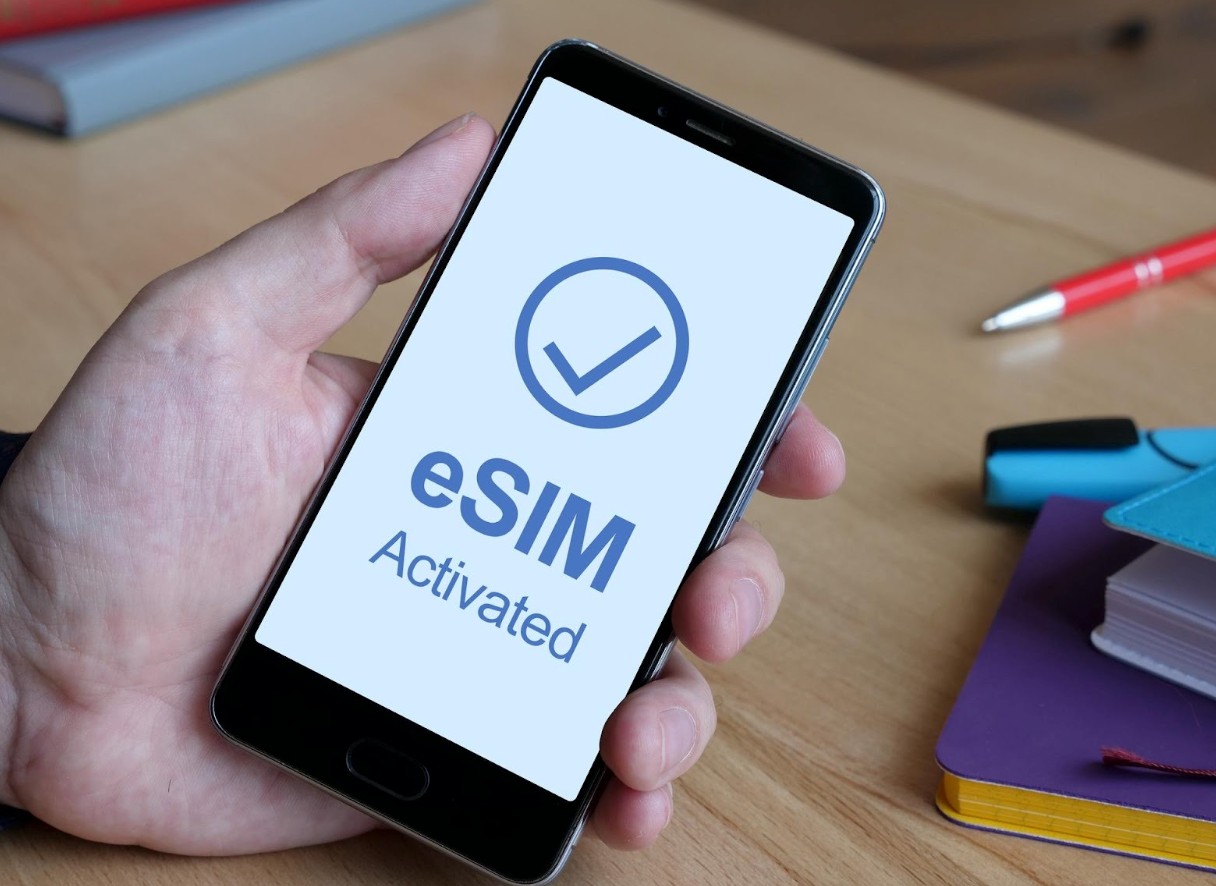
There was a time when international travel meant juggling SIM cards, paying exorbitant roaming fees, and constantly hunting for reliable local networks. For frequent travelers, connectivity used to be one more logistical headache in an already complex journey. Those days are over.
Today, the best eSIM for frequent travelers doesn’t just keep you online; it transforms the way you travel. With the right eSIM solution, you get instant connectivity, multi-country coverage, predictable pricing, and the freedom to stay connected without swapping physical SIM cards or dealing with local carriers everywhere you go.
In this article, we cut through the noise and explain exactly why eSIMs matter, what makes one eSIM the best for frequent flyers, and how choosing the right one, like the service ViaESIM offers, saves you time, money, and stress.
Let’s start with reality: managing mobile data across borders is a pain.
If you’ve ever landed in Madrid with a SIM for London and discovered it doesn’t work, you know the frustration. Each destination means finding a local SIM, navigating language barriers, and potentially paying a local premium just to stay connected.
Even with global roaming plans from major carriers, fees can be unpredictable. A short trip to Switzerland or Japan can leave you with a bill that rivals your flight cost. For frequent travelers who cross borders weekly, roaming charges add up quickly.
Hotels, cafes, and airports promise connectivity, but often deliver slow or insecure networks. Relying on public Wi-Fi exposes you to privacy risks and data limits that can cripple productivity or spoil streaming plans.
eSIM stands for embedded SIM. It’s a programmable SIM built into your device that allows you to activate cellular plans digitally without a physical card. Here’s why that matters for frequent travelers:
With an eSIM, you can activate a new plan in minutes. No store visits. No waiting. You simply scan a QR code or download a profile directly to your device.
Instead of buying a new SIM in every destination, the best eSIM plans work across multiple countries. One plan can cover Europe, another Asia, or even the entire globe.
Need more data mid-trip? You don’t need to find a shop. You update or add a plan right from your phone.
eSIMs connect directly to carrier networks without relying on public hotspots. They also reduce the risk of losing or damaging physical SIM cards.
Not all eSIMs are created equal. Here’s what you should demand if you travel regularly:
A good eSIM should cover as many countries as possible. Frequent travelers might cross a dozen borders on a single itinerary. You don’t want to switch providers mid-trip.
Look for providers with extensive partner networks and plans that include regional or global coverage.
The best eSIMs are transparent. You should know exactly what you’re paying before you activate. No surprise roaming charges, service fees, or complicated tiered plans.
Bundles that offer daily, weekly, and monthly options are ideal so you can match the plan to your travel rhythm.
Coverage alone isn’t enough. The eSIM must connect to reputable local carriers in each country, with support for 4G/LTE and ideally 5G where available.
Frequent travelers often depend on data for navigation, messaging, video calls, payments, and even work, so slow or spotty service is unacceptable.
You should be able to view usage, top up, switch plans, and troubleshoot all from an app or portal. That’s non-negotiable for people on the move.
From iPhones and Android phones to tablets and laptops with eSIM support, the best provider offers compatibility across devices. Dual SIM support is a bonus for keeping a home number active while using your travel data.
Not all eSIM solutions deliver on all five criteria, but the one offered by ViaESIM does.
ViaESIM is built specifically for people who travel frequently. It combines global coverage with flexible plans and transparent pricing, making it one of the most reliable options today for international mobile connectivity.
Whether you’re hopping through Europe, crossing Asia, or doing a world tour, ViaESIM’s plans cover major destinations. You can buy a plan for a single region or choose global coverage if your itinerary spans continents.
ViaESIM keeps pricing honest. Select a plan based on days and data needs, purchase it directly, and install it instantly. No fees that spike when you cross borders. You know what you’ll pay upfront.
Rather than relying on roaming bridges, ViaESIM connects to local partner carriers in each country. That means real speeds, less throttling, and better performance for streaming, calls, and everyday use.
Managing plans mid-trip is simple. The dashboard lets you track usage, buy top-ups, or switch plans without digging through settings or carrier menus.
Support for most eSIM-compatible smartphones and tablets ensures you’re covered whether you’re a business traveler with a phone and tablet or an adventurer with multiple devices.
Let’s get practical. Who benefits the most from the best eSIM for frequent travelers?
Frequent flyers who move between cities every week can’t afford gaps in connectivity. Email, Slack, Teams, and mobile hotspots rely on dependable cellular data. An eSIM eliminates last-minute SIM hunting and keeps you productive.
If your office is anywhere with Wi-Fi (or cellular), you need a reliable connection in every country you touch. With flexible data plans, you only pay for what you use no wasted local SIMs or roaming markups.
Instead of juggling multiple SIMs for each member, one eSIM per device means families stay connected with shared data and predictable costs.
Off-the-beaten-path travelers often find local SIM shops closed or hard to locate. Installing an eSIM before departure guarantees coverage from the moment you land.
Here’s where most travel bloggers get vague. Let’s be direct.
Reality: Installing an eSIM takes less time than you think. Scan the QR code, follow simple prompts, and you’re online in minutes. Most providers have onboarding guides ViaESIM included.
Reality: Most newer devices do. iPhones since XS/XR and many Android flagships support eSIM. Even dual SIM phones let you keep your home line active while running your travel data plan.
Check your device first, but if it’s from the last few years, you’re almost certainly compatible.
Reality: Maybe on paper, but local SIMs only work in one country. For multi-stop trips, the cost adds up: buy a SIM in each country, pay for shipping or physical pickup, deal with language barriers, and coverage gaps. A single global or regional eSIM plan is often cheaper and far more convenient.
Connectivity is no longer a luxury. It’s part of work, safety, navigation, and staying in touch.
Frequent travelers need a reliable, flexible, and transparent solution. That’s exactly what the best eSIM for frequent travelers delivers.
If you want consistent speeds, predictable pricing, and zero hassles when crossing borders, it’s time to make the switch. Services like ViaESIM give you coverage, control, and clarity, exactly what you need when your itinerary never stays in one place.
Stop swapping SIM cards. Stop paying random roaming fees. Get connected right when you touch down.
The future of travel connectivity isn’t physical SIMs, it’s eSIMs. Choose one that’s built for travelers who move fast, change routes, and depend on being online.
And yes, the difference will be felt in cost, convenience, and confidence.


